How Early Imagineers Created the Viewliner and Why It Closed.
Disneyland is renowned as a park that seamlessly blends frontier themes with fairy tales. The transformation of this former farmland into the iconic destination it is today required the dedicated efforts of numerous Imagineers. This narrative highlights three of these influential figures. Welcome to Disney Journey. Following one hundred episodes, my introduction is likely familiar. Let us proceed with this installment.
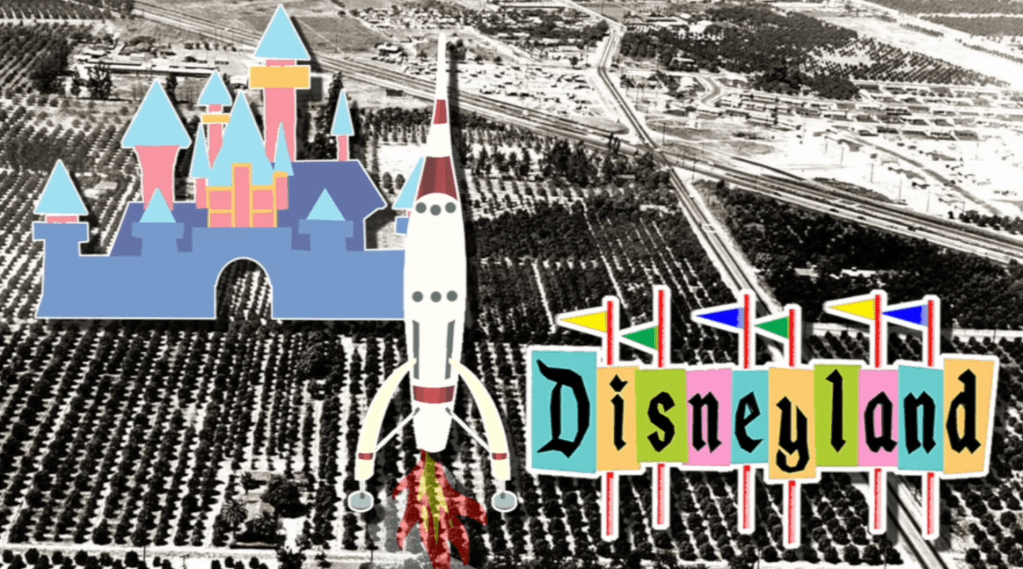
During Disneyland’s conceptualization for Anaheim, the site comprised expansive tracts of farmland; at the time, some areas—especially Tomorrowland—may have seemed destined to remain unused. Seventy years later, we know otherwise. In this episode, we revisit the early development of Tomorrowland, focusing on the classic attraction known as the Viewliner. A significant advantage of working as an Imagineer was access to the original hand-drawn design schematics, created before the digital era on trace or vellum. With experience, one could identify the artist behind unsigned works, as these renderings often transcended mere technical utility and approached true artistry—worthy of display in a museum setting.
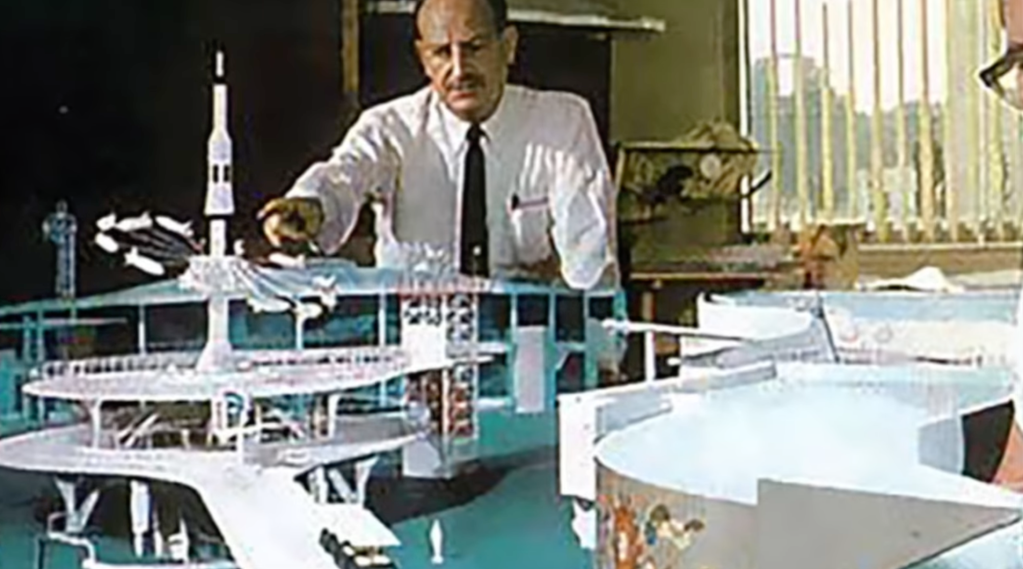
Among these artists, Disney Legend John Hench stands out, his exceptional contributions merit recognition. When I joined, John maintained an office and conference room at 1401 Flower Street in Glendale, California, and remained approachable for consultation.Numerous articles and books discuss John Hench’s legacy, with one particularly noteworthy resource detailed in the show notes below.
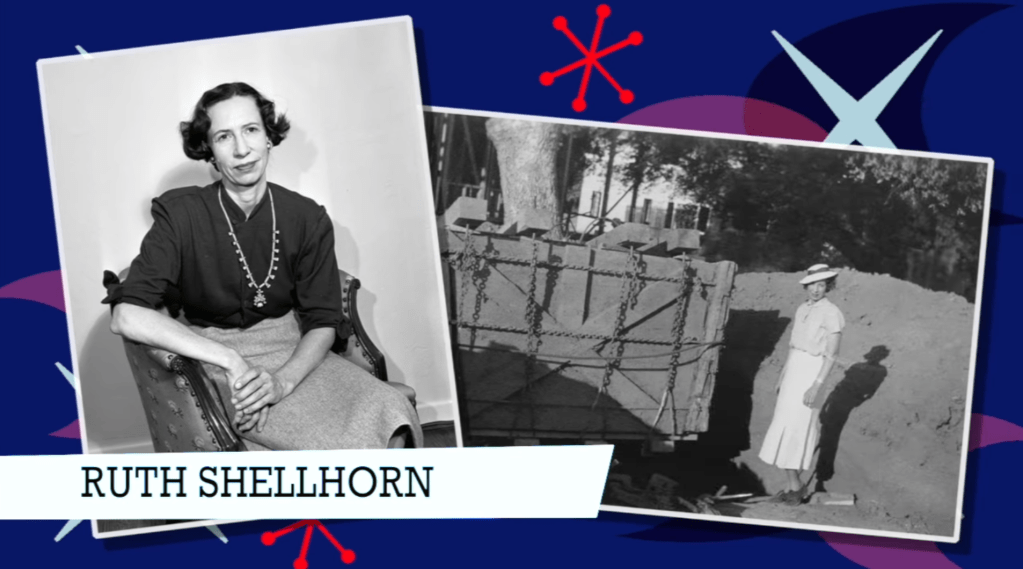
Continuing through the figurative gallery of Disney legends, we encounter Ruth Shellhorn, a landscape architect whose pivotal role in the latter stages of Disneyland’s development is sometimes underappreciated. Without Ruth’s expertise in drafting, her coordination with Walt Disney, and her ability to implement plan modifications efficiently, the park’s timely opening would have been improbable. For further reading, the University of Georgia Press offers an extensive account of Ruth’s career, including her work at Disney. Walt Disney famously articulated that Disneyland would continue to grow—a statement reflected in the substantial undeveloped land present in 1955. There was no shortage of ideas for future attractions, and soon after opening, operational needs dictated rapid expansion.
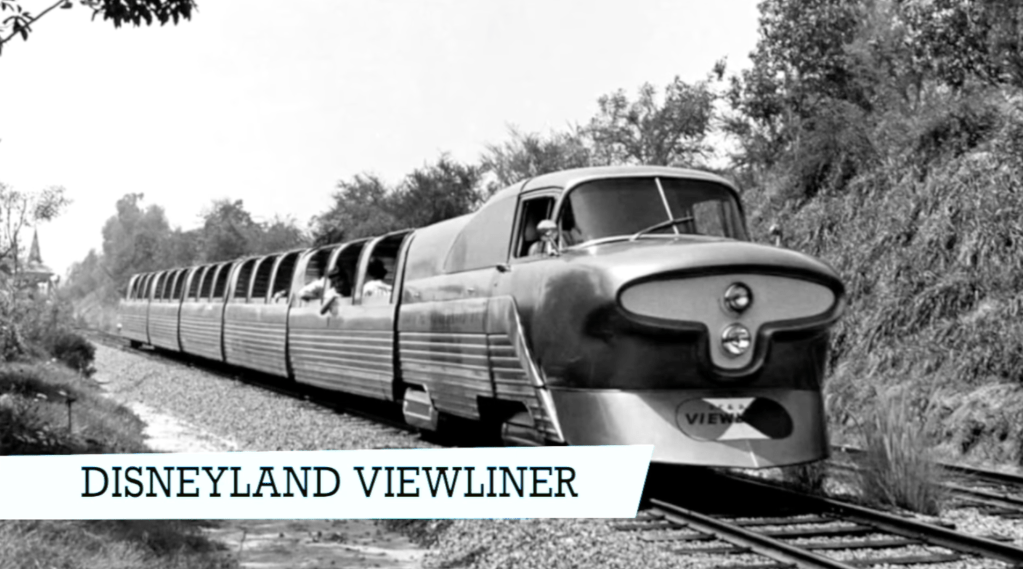
A particular tract in Tomorrowland was identified as ideal for a new ride. Recognizing Walt’s enthusiasm for trains and the popularity of children’s train rides, alongside inspiration from the streamlined GM Aerotrain, Imagineers began designing what became the Viewliner. My own recollections of the Disneyland Viewliner are vivid; as a child, I found the experience exhilarating. Although modest by modern standards, its significance as an early Tomorrowland attraction endures.
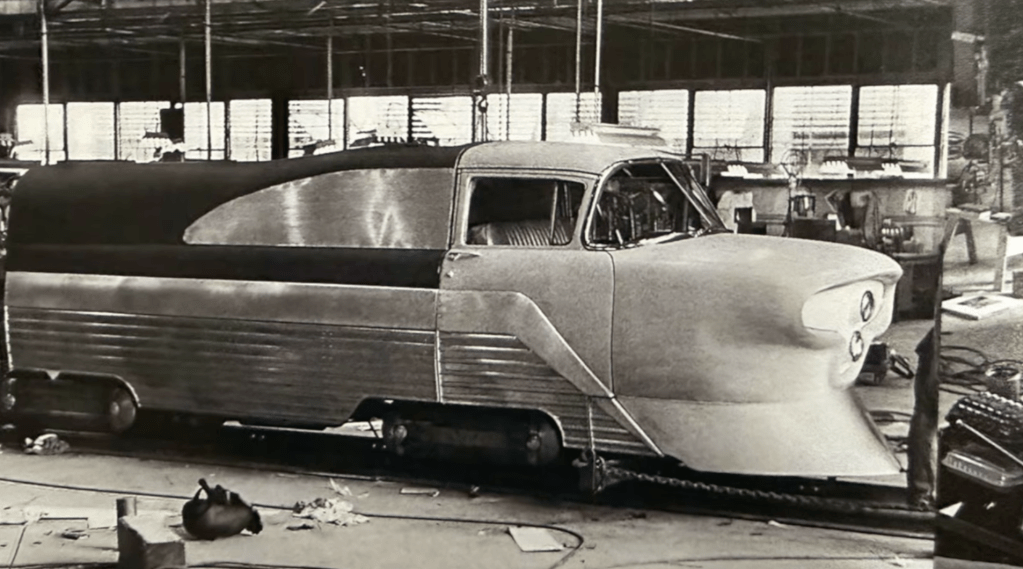
Much credit is owed to Bob Gurr for his versatile engineering work on such projects. Documentation of these endeavors can be found in various resources.Despite its humble beginnings, the Viewliner benefited substantially from Disney’s attention to detail. Distinctive design choices—including visually appealing cabs, strategic placement of bridges and causeways, and the juxtaposition of traditional steam trains with futuristic aesthetics—set the attraction apart. Its interior, while compact due to its origins as a children’s train, conveyed a sense of innovation.The Viewliner featured two stations, located in Fantasyland and Tomorrowland, offering guests a unique journey. However, its operation was short-lived. As guest attendance grew and land became increasingly valuable, early Tomorrowland attractions were frequently repurposed or dismantled.
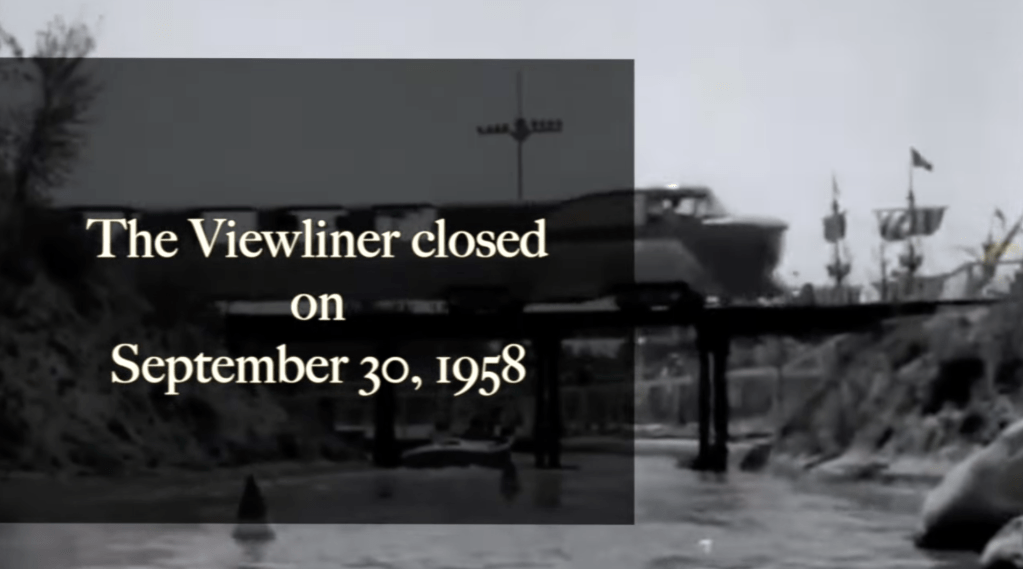
By the 1967 reopening of Tomorrowland, several original attractions, including the Viewliner, had made way for new developments. This pattern continues: limited space requires that every addition supersede an existing feature, exemplified by the construction of Galaxy’s Edge. Looking ahead, the only certainty is change—particularly given Tomorrowland’s focus on science and technology. While Tomorrowland has faced challenges, its successful moments have provided memorable experiences, such as observing technological showcases or witnessing rocket launches. Notably, good ideas are rarely lost within Disneyland; rather, they may be relocated or reimagined in different contexts.

For example, within Mickey’s Toontown, one can still find references to the Viewliner in unexpected places, such as signage above retail spaces. Tomorrowland’s history is characterized by continual transformation, with attractions evolving or yielding to new initiatives.
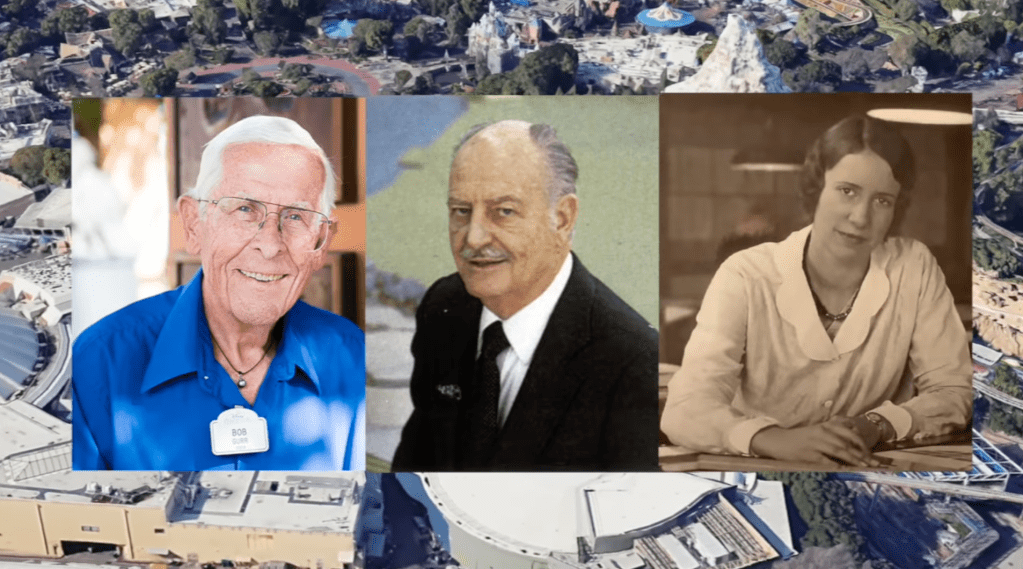
The contributions of Bob Gurr, John Hench, and Ruth Shellhorn were instrumental in its realization. The future trajectory of this notable Anaheim location remains unpredictable.
As this exploration of the Viewliner concludes, I extend appreciation to all channel subscribers—their continued support is invaluable. For additional information regarding this episode, refer to the show notes. Until the next installment, thank you and farewell from Lost Canyon. Disney Journey Blog