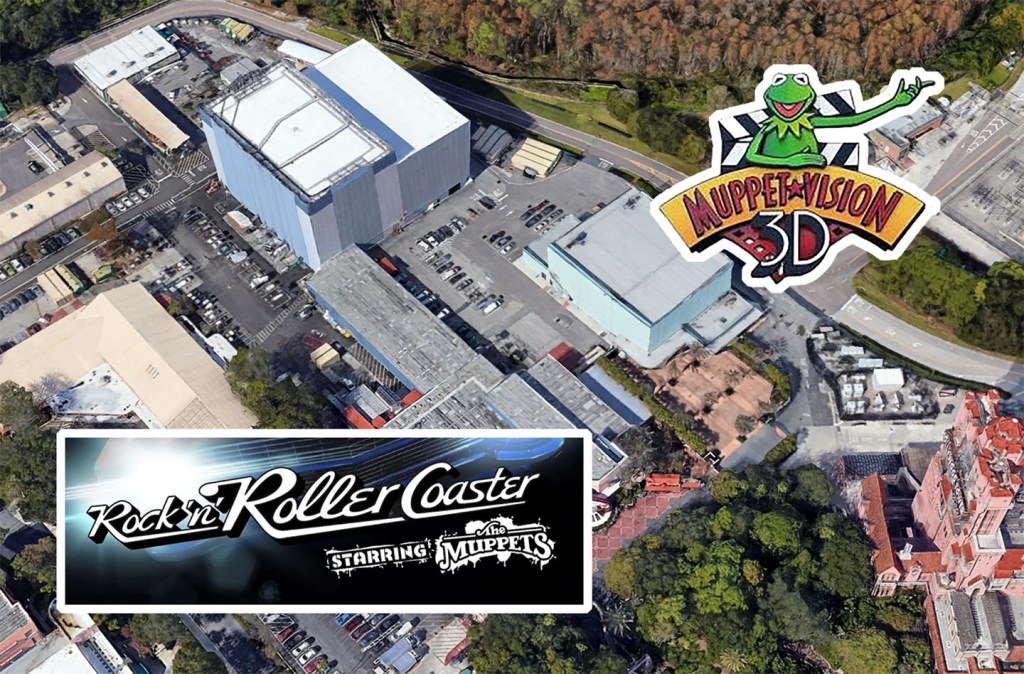
In a recent Disney Channel video featuring Jim Shull (linked at the end of this article), I explored Disney’s mini-lands of the past. But what might a future mini-land look like? Let’s consider one possibility for Disney’s Hollywood Studios. Next to the Tower of Terror is Rock ’n’ Roller Coaster, a classic attraction for more than two decades. It recently closed and reopened as Rock ’n’ Roller Coaster Starring the Muppets.
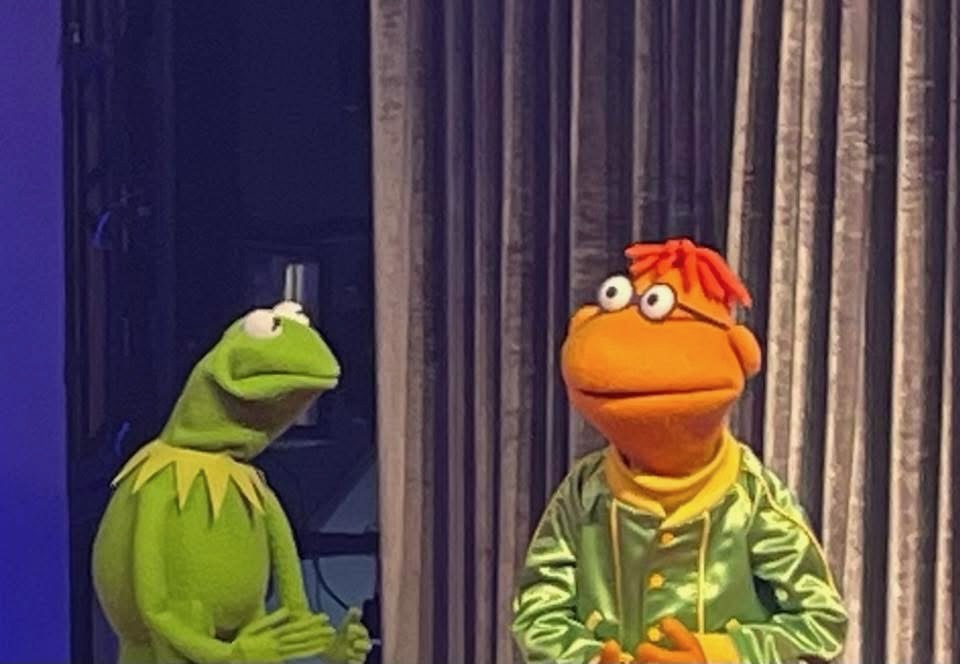
Who doesn’t love the Muppets?
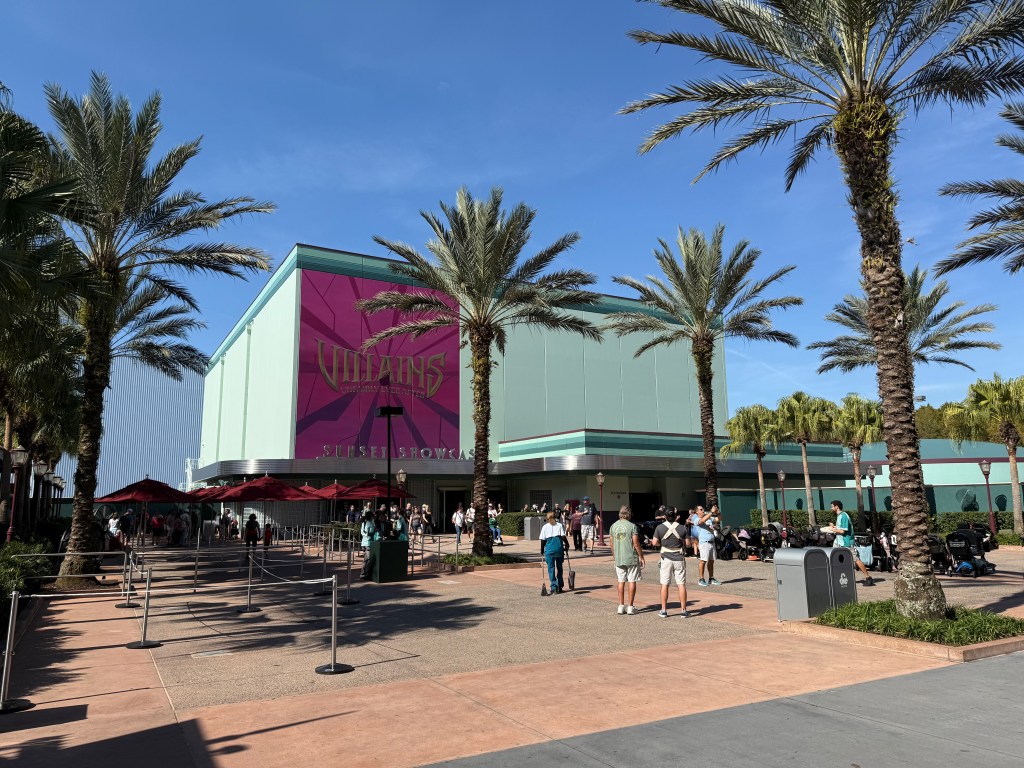
Rock ’n’ Roller Coaster is a standout attraction and is unlikely to change again for many years. Next door, however, is the permanent Sunset Showcase theater. It originally housed a ‘CARS’ show, giving the park a presence from that franchise. Later, a villains show replaced ‘CARS’ —a logical choice while Disney develops Villains Land for the Magic Kingdom and learns which villain concepts appeal most to guests.
CARS, Villains, might Muppet-vision 3D return here?
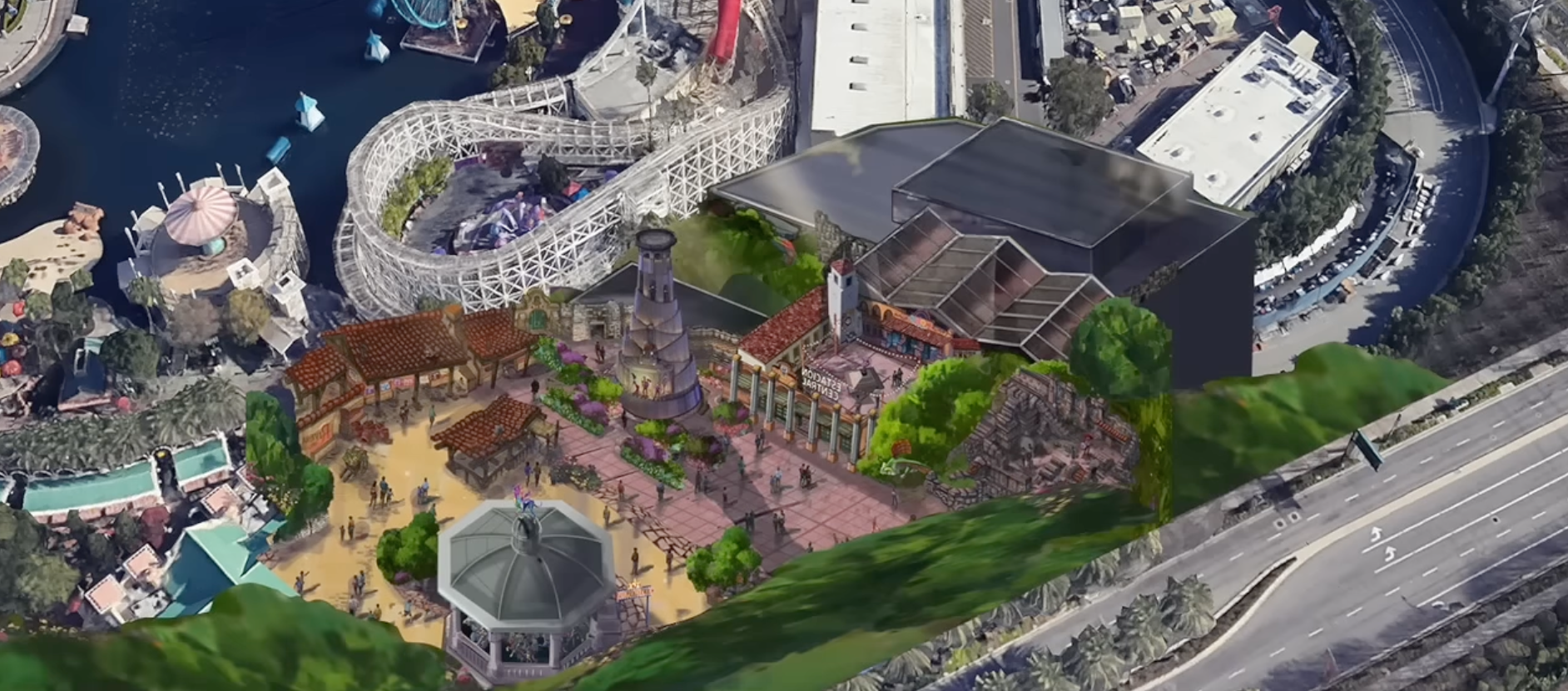
Once Villains Land opens, the Hollywood Studios villains show may no longer be necessary. That would leave an empty theater beside Rock ’n’ Roller Coaster Starring the Muppets—and an opportunity to create a Muppets mini-land.
How difficult would it be to rebuild and relaunch Muppet*Vision 3D in that space? The concept checks every box for a mini-land: one or two attractions, retail, food service, and character appearances. Together, these elements could form a complete Muppets mini-land at Disney’s Hollywood Studios.
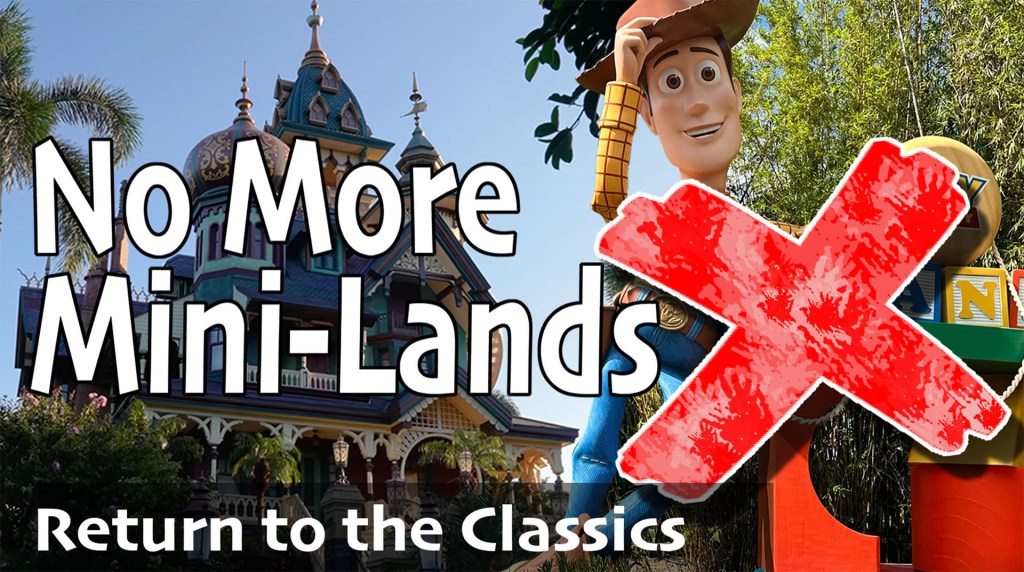
This video explores Mini-Lands in the Disney Parks.
I ordered Bob Chapek’s new book, “Behind the Castle Walls,” with great interest and anticipation because of both the period it covers and my personal connection to it. As an Imagineer, I pitched ideas to Chapek in Glendale while he oversawDisney Parks. Earlier in his 30-year career, he led Consumer Products and, before that, Direct-to-Home Video. That career arc offered rich material for an entertaining and informative book, but this is not that book.
Because of the limits imposed by a confidentiality agreement, these views are confined to the public record. Based on that record, however, Chapek’s book is ultimately disappointing: it reads less like a book than a letter of complaint. He portrays himself as poorly served by the circumstances of his tenure as CEO of The Walt Disney Company and blames others for its brevity.
A history book without a index
More complaint letter than book, it resembles a note sent after a new sofa arrives in the wrong color, does not fit the room, or has the armrest on the wrong side. Yet the book neither examines the causes of Chapek’s grievances nor accepts responsibility for his brief tenure.
The book’s central failing is its missed opportunity to illuminate an important era at The Walt Disney Company. Chapek held a rare succession of roles across the business—from Consumer Products and Home Video at its peak to Parks and Resorts and, finally, CEO. He may not have seen everything, but he was in the room for many consequential moments. Missing are stories such as John Lasseter’s influence on Home Video and evidence supporting the claim that Bob Iger retired because he anticipated COVID’s impact on the company.
The book’s tone and structure may reflect Chapek’s co-author, whose published work consists largely of sports books. On a second reading, this book feels much the same: it keeps score, tallying each loss as if recounting a series of games.
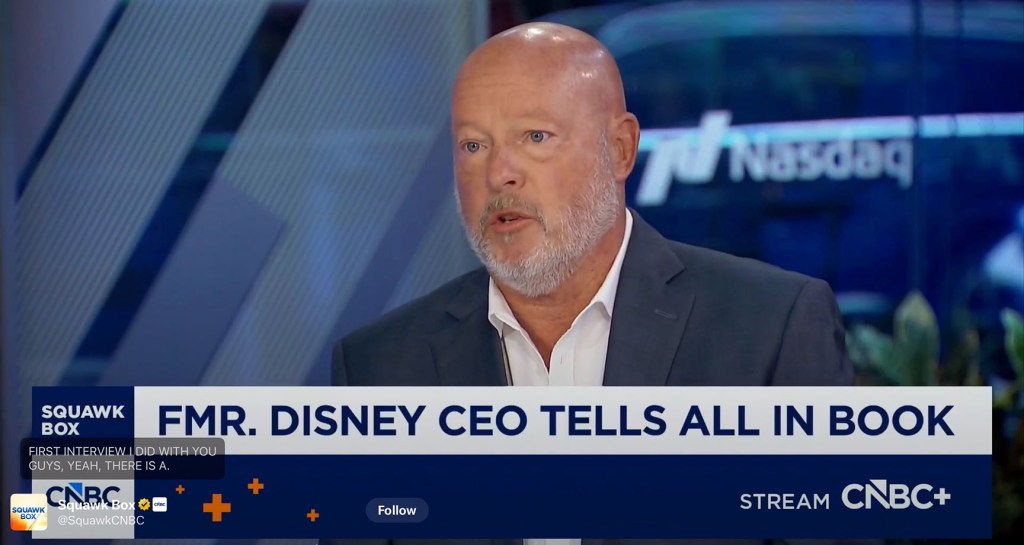
Image: CNBC
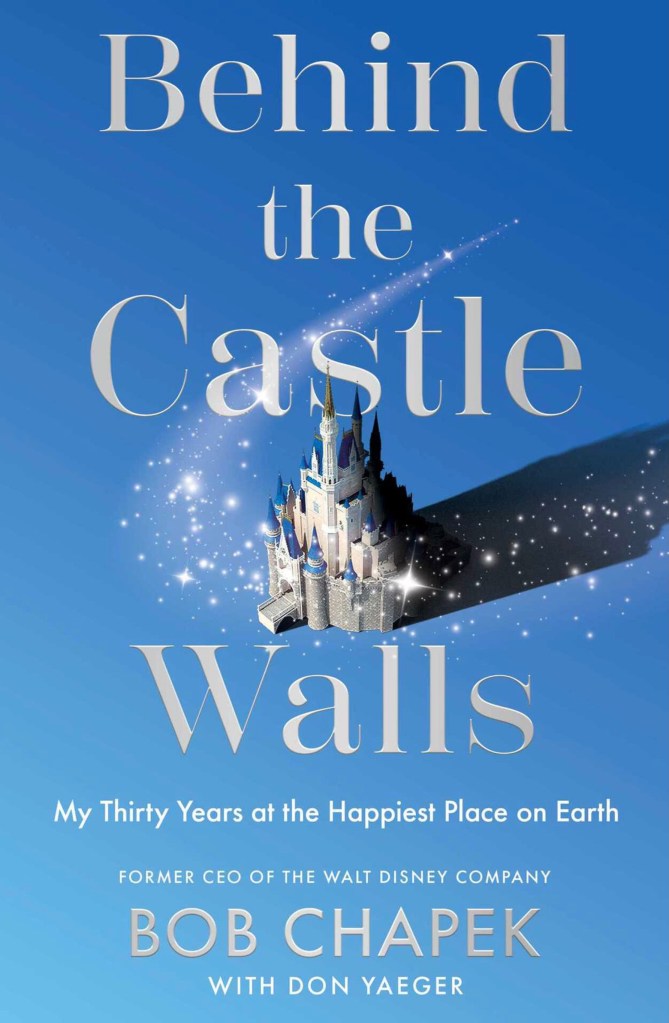
Biographies are inevitably filtered through personal perception, memory, and bias, but they can still provide a factual record—a standard “Behind the Castle Walls” fails to meet. This material might have worked better as an essay or complaint letter than as a book. Even its presentation raises questions: it lacks an index, and the cover appears to have been created with artificial intelligence.
This book is a missed opportunity—for researchers interested in The Walt Disney Company and for Chapek, if his goal was to provide the definitive account of this period.
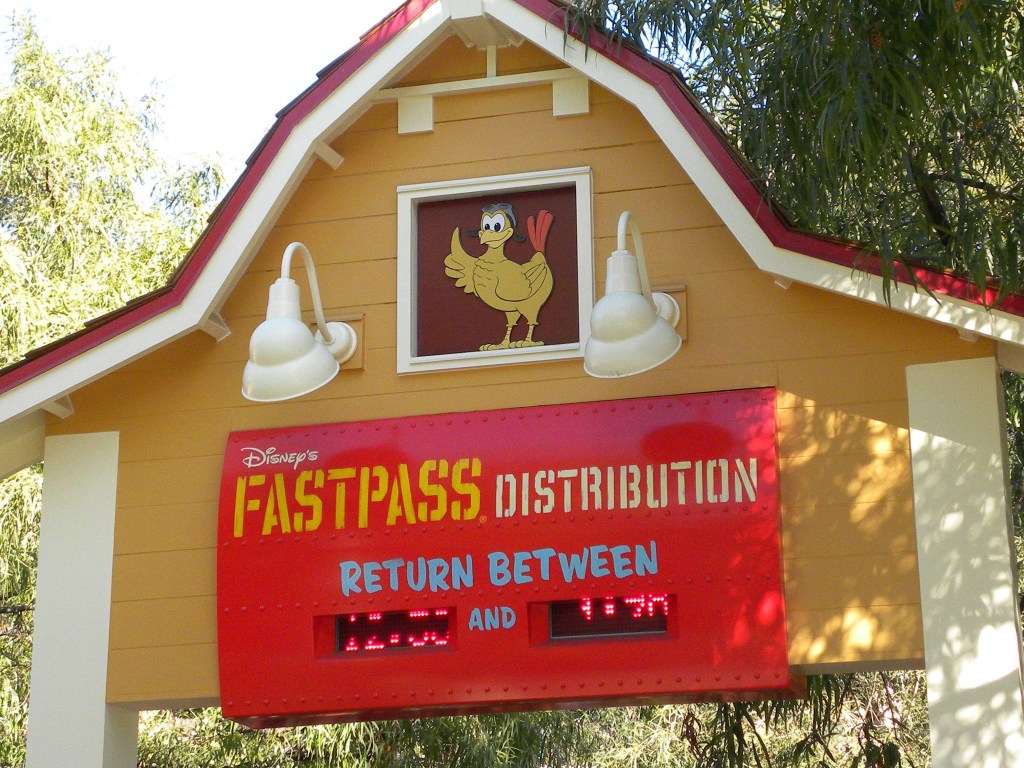
Disney’s park reservation service began with a simple idea. The simple insight was Disney Park guests do not like waiting in line. By giving guests reserved ride times, Disney encouraged them to shop, dine, and visit less popular attractions while they waited. This arrangement benefited both guests and the parks, though it required expensive distribution equipment throughout the parks. Disney expected increased spending on food and merchandise to offset those costs, and the service itself remained free for years using the business model.
A free Fast Pass or waiting in long lines was the choice.
But the model changed and FastPass was replaced by Lightning Lane, a similar service that guests now purchase through their phones. This shift changed the model: instead of offering the benefit for free, Disney Parks turned it into a direct source of revenue.
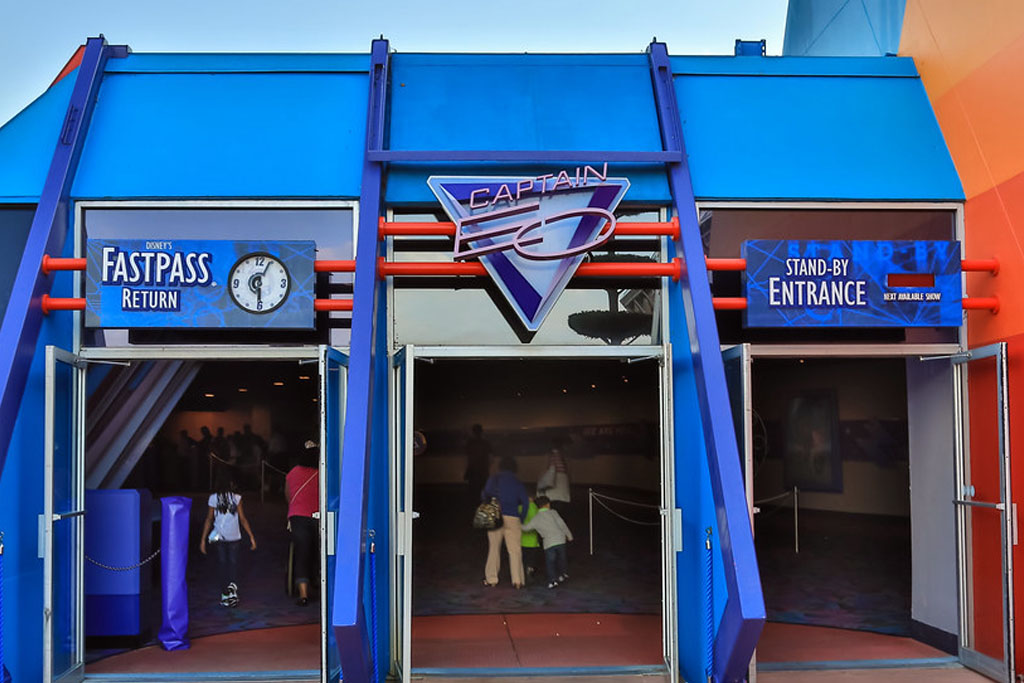
Even old attractions had Fast Pass.
What does this mean? Guests have limited money and time. Many buy Lightning Lane to make the most of their visit and spend their time as they choose; in effect, they are paying for convenience, much like customers who use a McDonald’s drive-through. Today, Lightning Lane generates revenue for The Company. In his new book, Bob Chapek did not apologize for rising park costs during his tenure, and the underlying view is that the market will determine what guests are willing to pay and will signal when prices have gone too far. That outcome is neither inherently good nor bad—it is simply how the market works. Ultimately, Disney will discover the ceiling when guests refuse to pay more.
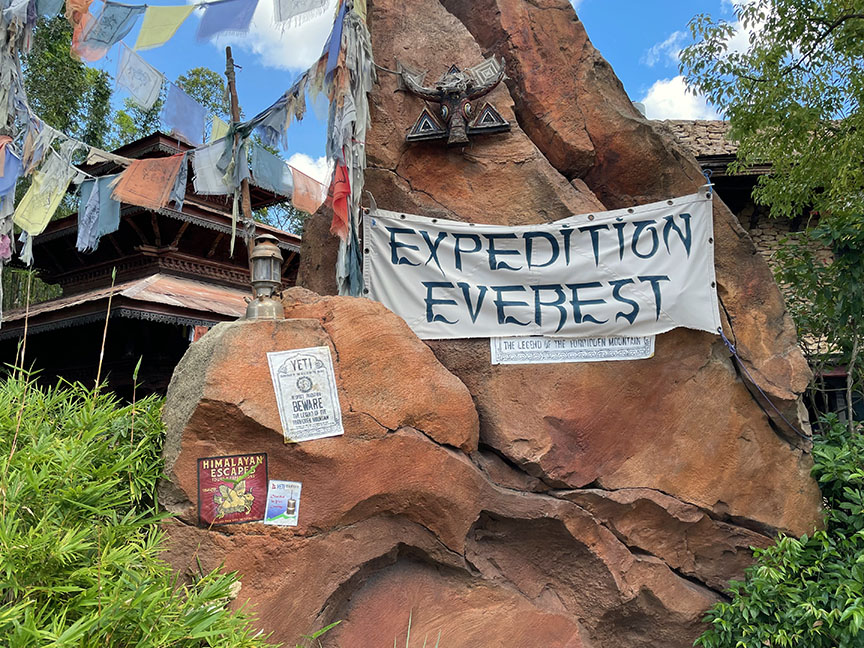
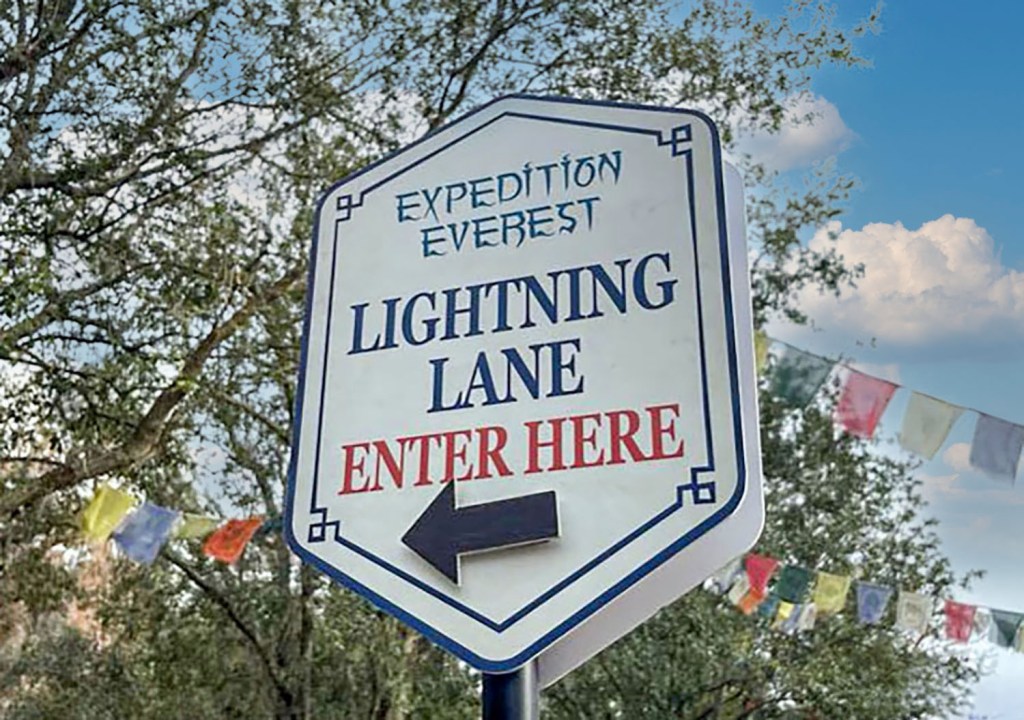
The headline says Walt Disney World permanently ended the Single Rider line at Expedition Everest on September 21, 2026.
Disney’s change to Expedition Everest is an example of how Animal Kingdom manages ride inventory—especially some ride seating that was once available at no extra cost but can now be monetized.
No longer free.
Single Rider lines work best when they help the operator fill otherwise empty seats. From Disney’s perspective, every seat on every train should be used. If a leftover seat can instead be sold through Lightning Lane, Disney has not increased ride capacity—it has simply managed that capacity more profitably. So, the next time you ride Expedition Everest, consider this: you may have paid for your seat with time spent in standby, while the person beside you paid money for faster access to that same train.
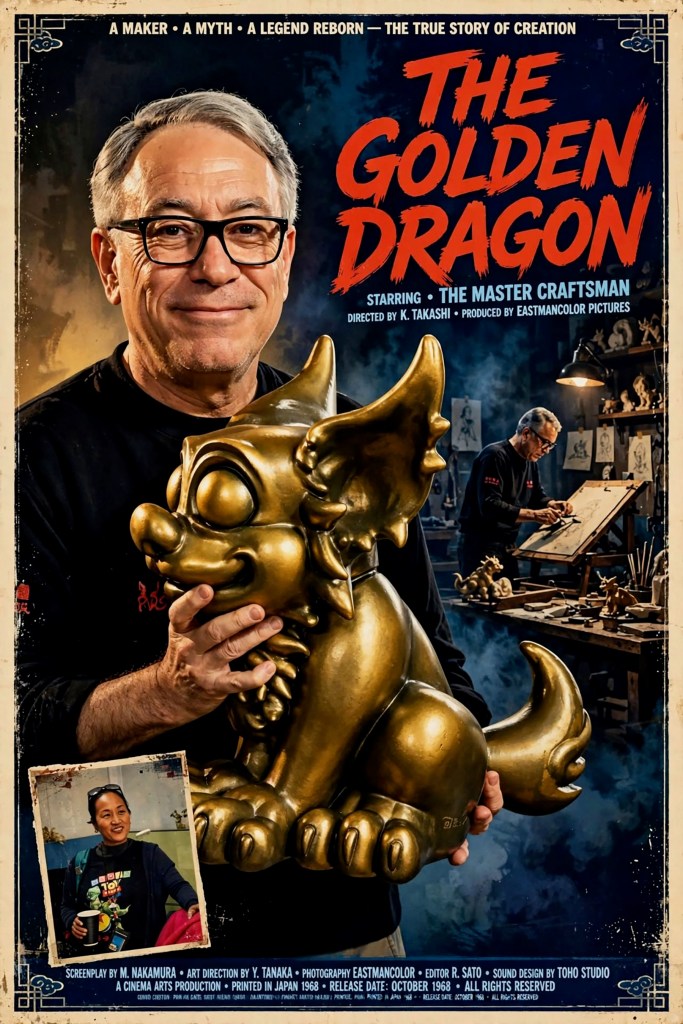
Recently, I experimented with AI to see what it could do. Most of what I found was disappointing, though a few things were useful. I’ll start with the good: running my writing through an AI editor helps me see it from a different perspective, and a second set of eyes is always valuable. Next, I turned a photograph into a poster styled like a 1960s B movie. The results were terrible—the art, copy, and font choices were painful to look at.
Result of AI prompts to create a film poster from a photo.
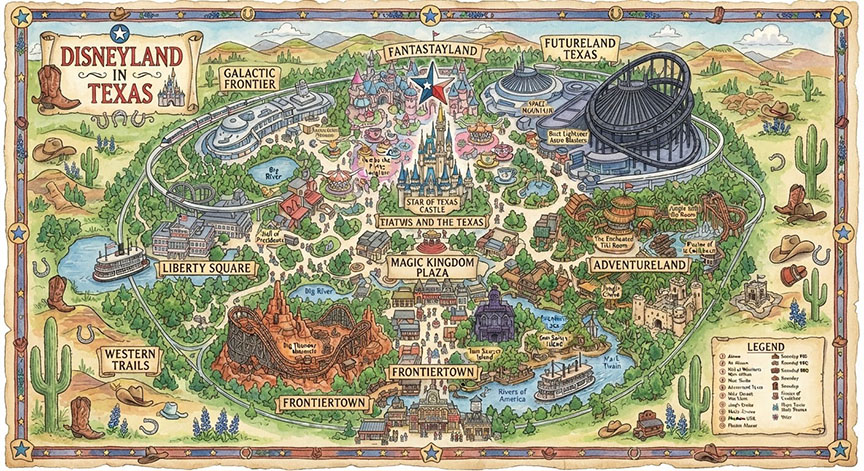
For my third test, I asked AI to create a fun map showing what a Disneyland Texas might look like, and this is what it produced. The artificial intelligence gave me what I requested, but it did so by pulling from existing sources, rearranging information, and reformulating the result. It did not truly create; it only recombined. AI can offer structure and rhythm, but it cannot replace original creation. That is why AI is a useful tool, not a replacement. New tools will always emerge. Most will be improvements, and only a few will be truly revolutionary. Let me end with a story.
AI delivered this cliche filled ‘fun map’ of Disneyland Texas.
When I started at WDI, the computer was housed in a dedicated room with a raised floor and large machines lining the walls.
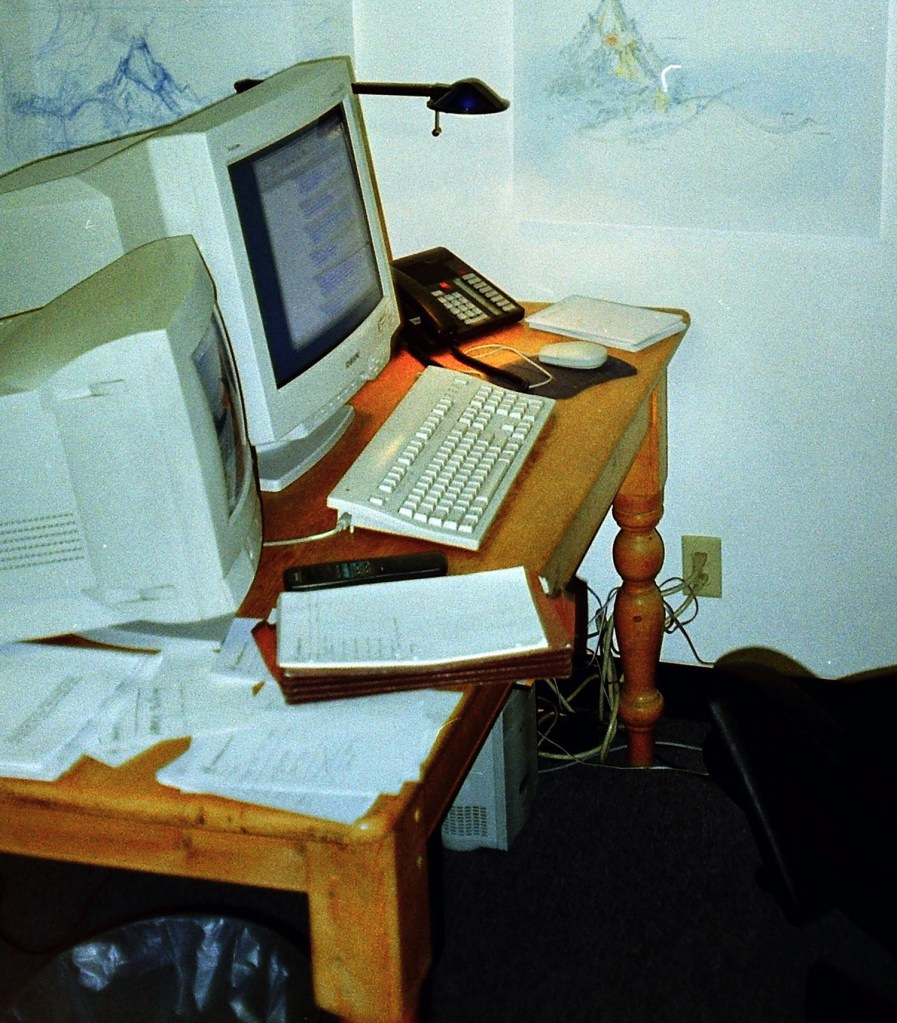
I remember stepping into that computer room at WDI. You had to step up because the floor concealed the systems beneath it. The machines filled the room with a low whirring sound, and spinning magnetic tape reels lined the walls. Years would pass before Apple introduced the desktop, Mac. Then one day, there was a knock at my office door, and a technician delivered one to me.
Big. bulky and imposing was this Mac desktop system.
The IT person unboxed and set up the equipment. When he finished, I asked, “What is this for?” He replied, “I don’t know. I just deliver it. It’s set up; what you do with it is up to you.” Those words have stayed with me. Today, as we look at artificial intelligence, we are asking the same question: what will we really use it for? In 10, 15, or 20 years, AI may seem quaint and outdated, and we may already be talking about the tool that replaces it.
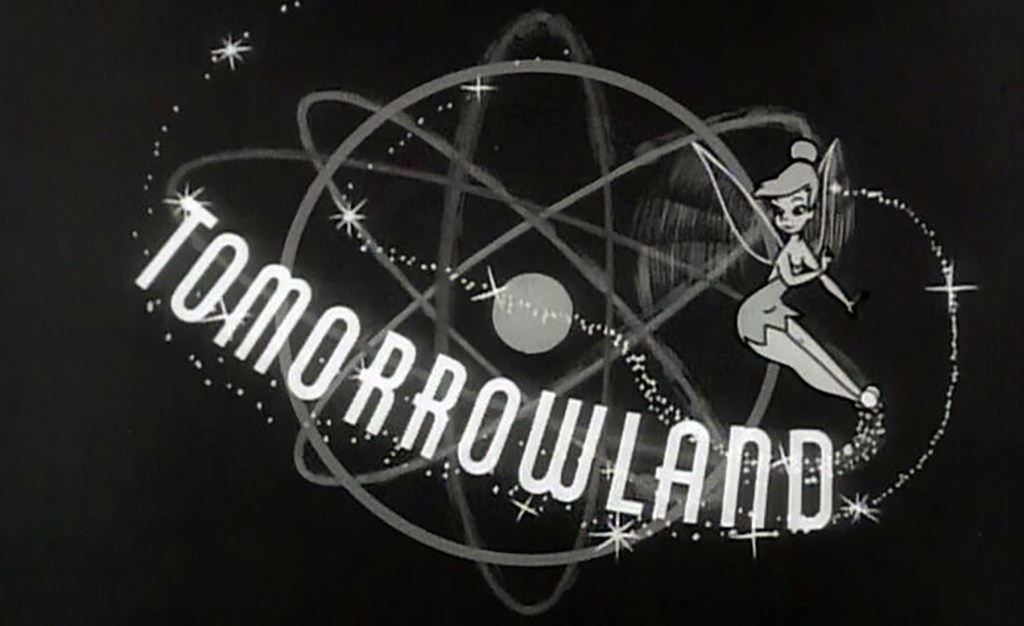
D23’s announcement from the chairman was welcome, a little unexpected, and long overdue. It has been years—if not decades—since Disneyland had a truly new Tomorrowland. I know because I worked on the last one, Tomorrowland: Imagination and Beyond. That project was doomed from the start because there was never enough money to fulfill the vision or meet the land’s needs. In Disneyland’s earliest days, Tomorrowland was a technology-focused land with a simple story: a vision of the future set around the time Halley’s Comet would pass Earth.
Starting 1967 Tomorrowland was a ‘World on the Move’.
Tomorrowland remained a showcase of technology until the mid-1960s, when it was reimagined as “the world on the move.” Nothing has topped that version because it had one clear vision: technology served the story. Today, Tomorrowland feels like a mix of ideas, and its central conflict remains unresolved. Fixing that conflict is the key, but finding the right balance is essential. So how should Tomorrowland change?
This is subjective, and reasonable people can disagree. But the first step is to break Tomorrowland into its individual attractions and apply sound creative design principles to each one. From that approach, a list of options begins to emerge, starting with the land’s entrance.
The best welcome Tomorrowland has ever had.
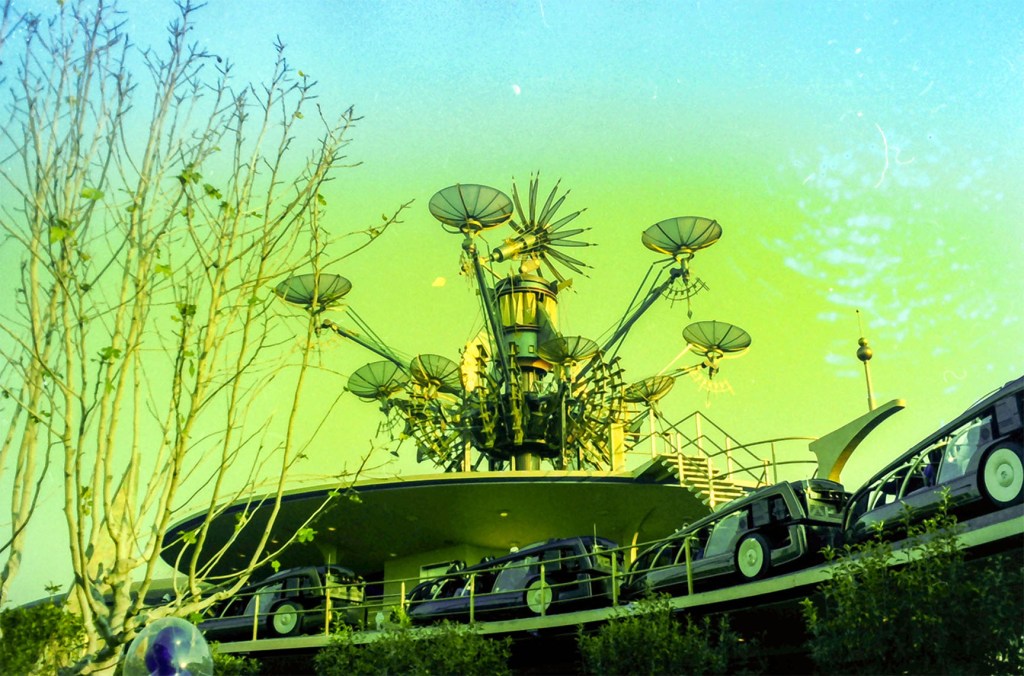
First, I would remove the Astro Orbiter and place a Tomorrowland marquee facing the hub. It serves no purpose where it is other than to block the views into the land. Currently it’s a wall when what’s desired is a doorway.
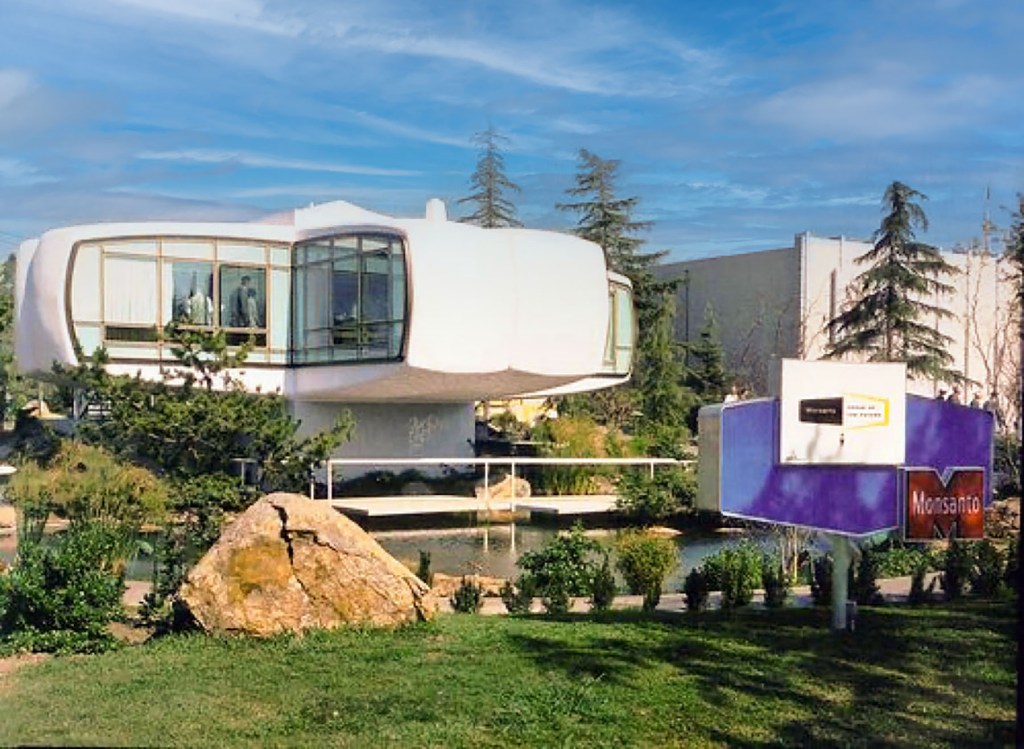
A billboard is what’s needed at the doorway, and If the park is serious about hope and optimism, there is no stronger statement than bringing back the House of the Future.
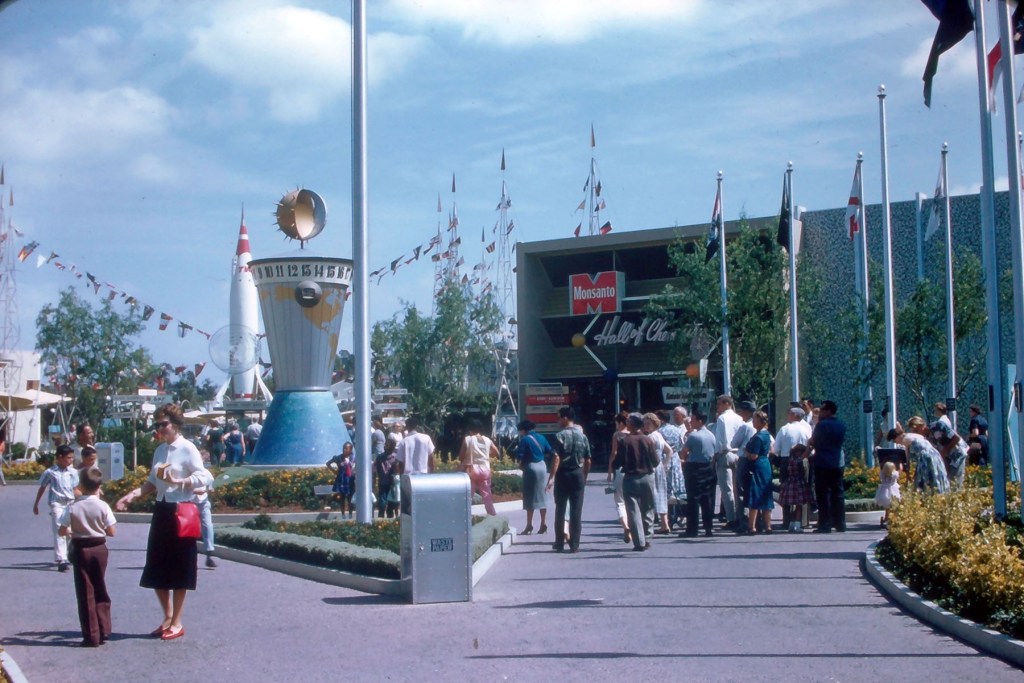
The House of the Future was inspirational and helped define the tone ofTomorrowland. Ruth Shellhorn’s drawing shows how clearly, she organized the approach to the land: simple, direct, and framed by two buildings. One was the Hall of Chemistry, sponsored by Monsanto, which would continue sponsoring attractions in this location for years to come. Inner Space was part of Tomorrowland’s DNA and holds up as a classic example of Disney theme park design.
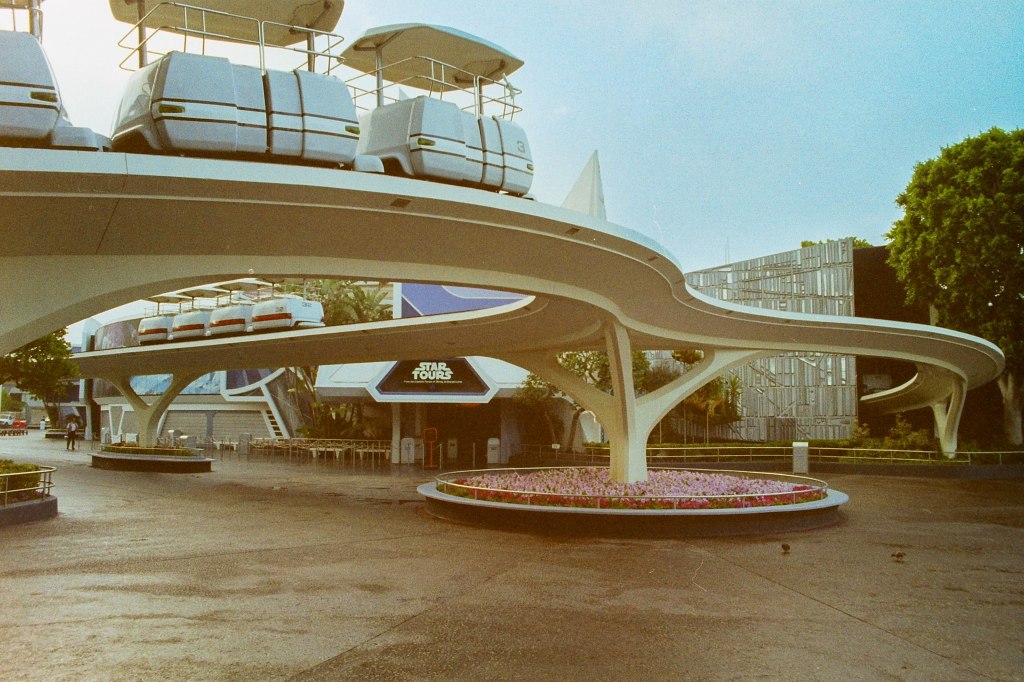
Before Star Tours guests visited the Hall of Chemistry.
After Monsanto left, Star Tours moved in. It is hard to argue that this space needs to change, but I will offer two possible options.
The first is Iron Man Experience. The second is Body Wars.
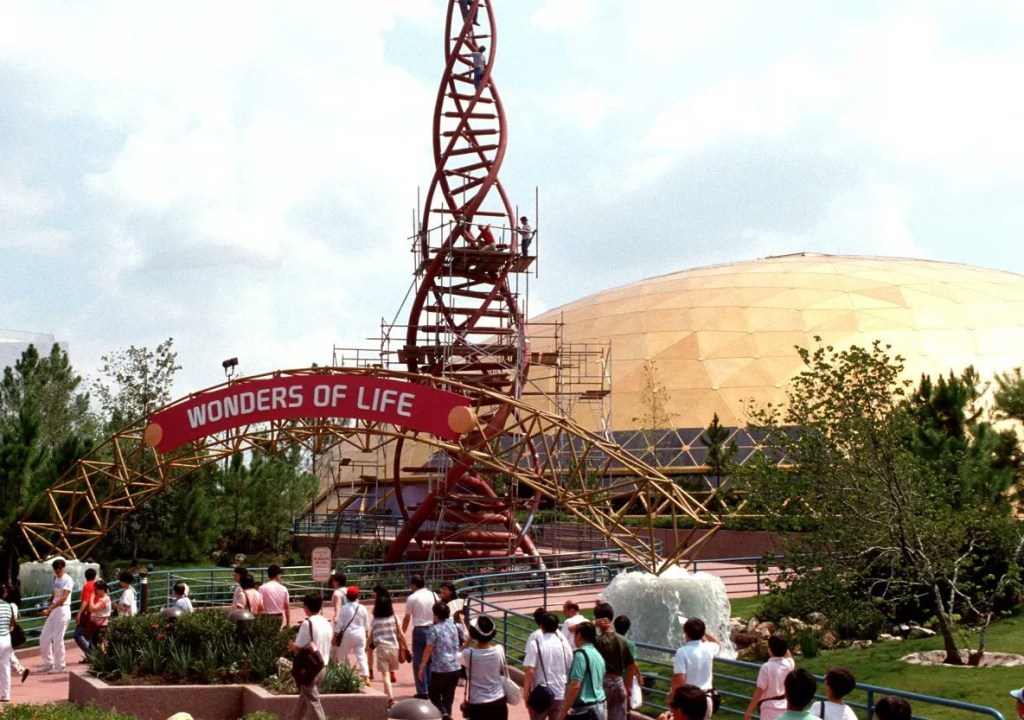
Body Wars would serve as a tribute to Adventures Through Inner Space and to the version that premiered at Epcot’s Wonders of Life. Both options are simulator attractions, so the ride system is already in place, and both films are strong. Iron Man, however, has one clear advantage: it would give Marvel, and specifically Iron Man, a presence inside Disneyland.
Body Wars was the star ride at Epcot’s Wonders of Life.
For the location housing Buzz Lightyear, there are two options. The obvious choice is to keep Buzz and improve it by coping elements of the recent update made to the Florida version.
The other option is to follow Tokyo Disneyland’s lead, where Tomorrowland is preparing to open a new Wreck-It Ralph attraction. The ride system could stay, while the story and characters change completely.
For the beam way that runs through the land, there is only one real option: bring back the PeopleMover. It would not be simple, but no better choice exists. There is a unique charm in watching guests glide overhead.
The PeopleMover embodies hope and optimism, ease of use and net technology. If Tomorrowland is going to make a statement, this is the one to make.
Rocket Rods had its merits, but nothing has replaced—or ever will replace—the PeopleMover.
Screenshot
Return the Rocket Jets and the PeopleMover to deliver ‘Hope and Optimism’.
Earlier, I removed the Astro Orbiter from the front of the land. Now I would returnit to its original home. To make that work, the park would need either a new elevator or an exterior ramp. Just don’t put your fingers in the metal cage.
For the carousel building, there are again two options: bring in Florida’s updatedCarousel of Progress show or build an Anaheim version of the Tron roller coaster. Much like Florida Tron would then be placed next to Space Mountain but a big, launched coaster would be popular. Both present challenges, but becausethe carousel sits at the end of the path, the space needs a stronger purpose.
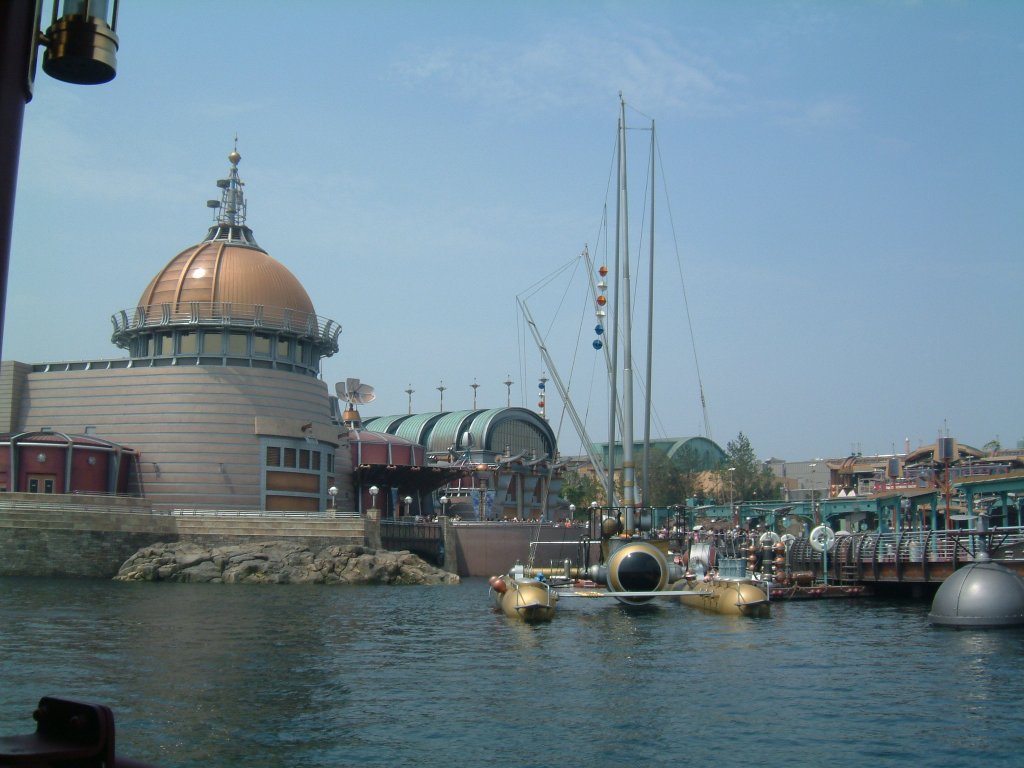
When it comes to theater options, there’s really only one that feels natural. Disneyland doesn’t have an enclosed live theater right now, so this would be the place to build one. And then there’s the submarine lagoon. This is the kind of big, out-of-the-box idea I’d consider: replace the subs with Aquatopia.
Aquatopia replacing the Subs would add a ride and kinetic activity.
Tomorrowland has too much nostalgia—and too many memories—to simply erase it and start over. So, for me, the perfect Tomorrowland is a mix of the old and the new, while still holding onto Walt’s original vision: hope and optimism, told through stories grounded in technology. So, looking back at all of theseoptions, this is my list for building a better Tomorrowland. You may agree, you may disagree, and that’s part of the fun. Leave your thoughts in the show notes, and we’ll keep the conversation going there. But no matter where you land, a new Tomorrowland is exciting—as long as they keep the neon, Mickey Mouse.
Neon Spacemouse Mickey defines Hope, Optimism and fun.
When Disney has a successful ride, it usually recreates it elsewhere. Tower of Terror was different: each new version changed in design and purpose.
Tower of Terror concept art Walt Disney Studios Paris
The various Tower of Terror versions differ not only in appearance but also in height. At Disney’s Hollywood Studios, the building stands 199 feet tall—just below the FAA’s 200-foot threshold for requiring an aircraft beacon. A weathervane was built for that purpose but ultimately was never installed. At Disneyland Resort, the structure is a 183-foot-tall tower, and the drop distances vary in different Disney parks.
The first Tower of Terror
The first free-fall ride opened at Six Flags Magic Mountain in 1982. It featured eight coaster-like tracked cars, each seating four passengers in a single row. After backing out of the station, the cars stopped at the base of the tower, were lifted straight up, and then released into the drop. Brakes brought each car to a stop atthe bottom, leaving riders lying on their backs and facing the sky. The cars then returned to the station, completing a short but popular ride.
To experience an original freefall ride, visit Movie Land Studios in Lake Garda, Italy. There, you’ll find the Hollywood Tower, a distinctive attraction whose name echoes Disney’s version but is not the Walt Disney World ride.
Complex but with low ride capacity
It’s right there at the front door and you can see it. It’s a lot of fun, but when you ride it, even when you look at it, it presents its problem immediately. It’s a high demand ride with a very low capacity. The free fall drop tower is a simple idea in theory, but not in practice, at least not when it came time to bring it to the Disney MGM studios. The standard ride would not do for various reasons. So, the Imagineers designed a brand-new system based on a very old system.
Otis Elevator supplied the ride’s transportation system, but Disney wanted something more advanced than a standard free-fall drop. Traditional freefall rides rely on gravity, which limits how fast they can fall. Imagineers wanted the elevator to drop faster than gravity, so they developed an entirely new ride system. The design required separate ride paths, including four trackless routes where vehicles followed an invisible path in the floor. Disney California Adventure’s later version used a different mechanism to move the elevator cab in and out of the drop shaft, but every version ultimately centered on the same experience: the long plunge downward.
Different ride profiles in different Disney Parks
At the top of this article, I pointed out that when Disney has popular new rides, they clone them. But that wasn’t the case with the Tower of Terror. Even though the ride was popular, and no one could dispute that, when they built the second, third, fourth, it wasn’t the same thing. It was for reasons of where it was being built, the materials it was being built out of, the story was being told each and every time. They kept the idea, the core essence of this thrill ride, but the idea and story and the presentation would be completely and utterly and forever different.
Paris is the same yet different from DCA
The Towers of Terror differ in several ways. In France, for example, The Twilight Zone aired under a different name, while Tokyo DisneySea uses a cursed statue as the source of its story. The buildings also look different: Florida’s version is Gothic and horror-inspired, while California’s combined Art Deco with Pueblo Revival influences. Construction methods varied as well, with some towers built from steel and others from concrete. Guest approaches differ, too. In Florida, visitors walk up a hill to enter; in Paris, they enter directly from the sidewalk. In every park, however, the tower serves as a dominant landmark, which helps explain why Paris wanted its own version—whatever name it ultimately carried.
Tower of Terror is Avengers Tower at Hong Kong Disneyland
Perhaps that version will become Mission: Breakout someday as well. For now, that brings us up to date—but another tower is on the horizon. The next Tower of Terror-style attraction is planned for Hong Kong Disneyland and appears to involve Tony Stark, also known as Iron Man. Based on the available artwork, it looks unlike any previous version. It will be built on reclaimed land from the South China Seaand, notably, the tower has no windows or visible openings. Those differences help explain why, despite Tower of Terror’s success and its many versions around the world, it is nearly impossible to rank the attractions from best to worst. Each one is too different in setting, story, design, and purpose for a simple comparison.
D23 is always a week for Disney news, but two stories that surfaced on August 12, 2026, were not on my Disney bingo card.
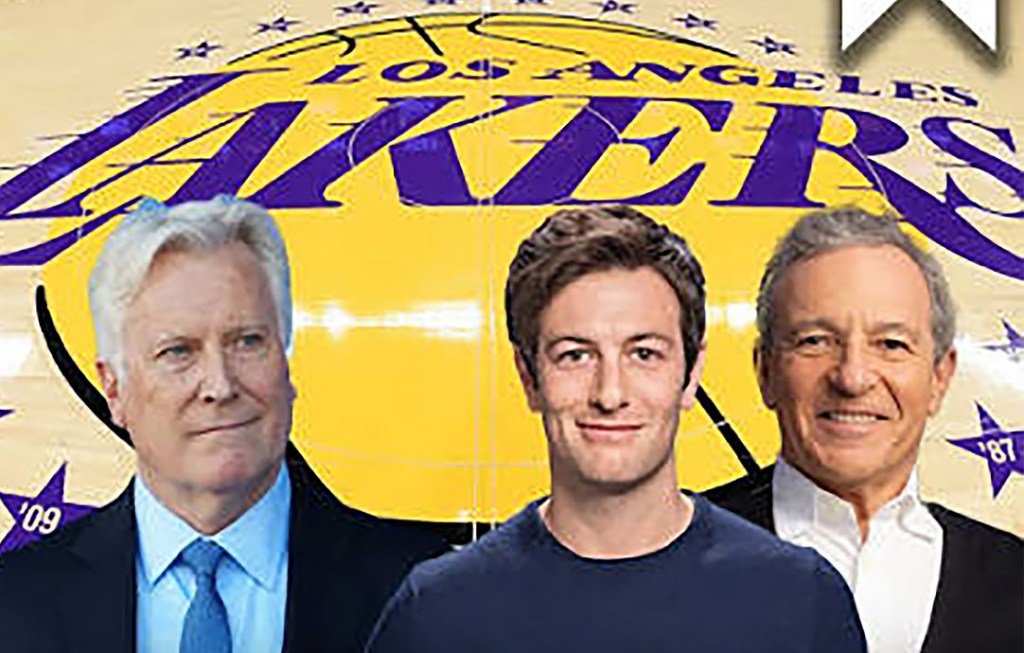
Current and future owners of the Los Angeles Lakers.
The two items may seem unrelated, but perhaps they are not. First: former Disney CEO Bob Iger and venture capitalist Josh Kushner have agreed to buy the Los Angeles Lakers for a record-breaking $12.5 billion, the highest valuation for a sports team in U.S. history. As a longtime Lakers fan, I wish Bob Iger and his partners good luck.
Former CEO of The Walt Disney Company Bob Chapek.
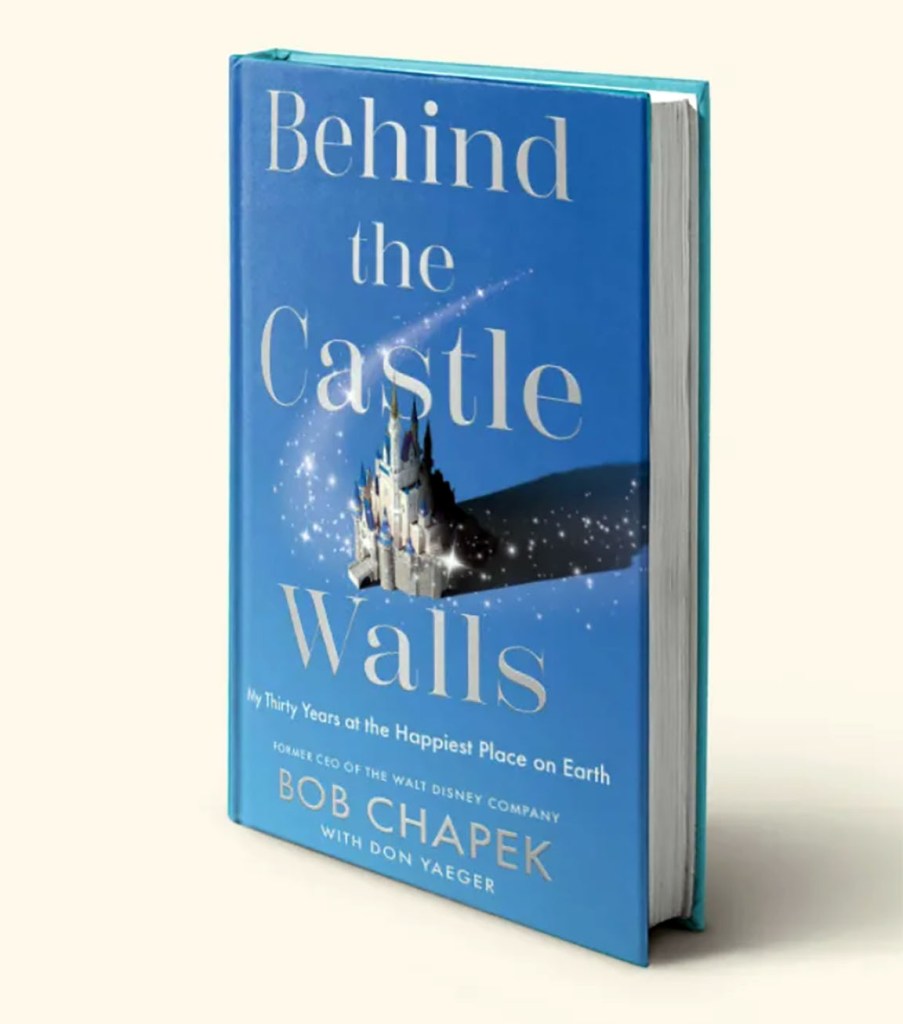
The second item is even more unexpected: Simon & Schuster has announced a memoir by Bob Chapek. According to The Hollywood Reporter, the book, Behindthe Castle Walls, will be released in September and will address Chapek’s tenure at Disney and Bob Iger’s return. Written with Don Yaeger, it is scheduled to be published September 20.
Screenshot
“Behind the Castle Walls” available beginning September 20, 2026.
Chapek became CEO of The Walt Disney Company just weeks before COVID-19 changed the world, and his time leading the company was brief compared withpast Disney CEOs. I worked for him while serving as an Executive Creative Director at Walt Disney Imagineering, and I was familiar with his earlier work at Disney. As The Hollywood Reporter notes, “Chapek is ready to tell his story, sharing what he hopes will be his true legacy.”
D23 will have to deliver something big to top either of these stories.
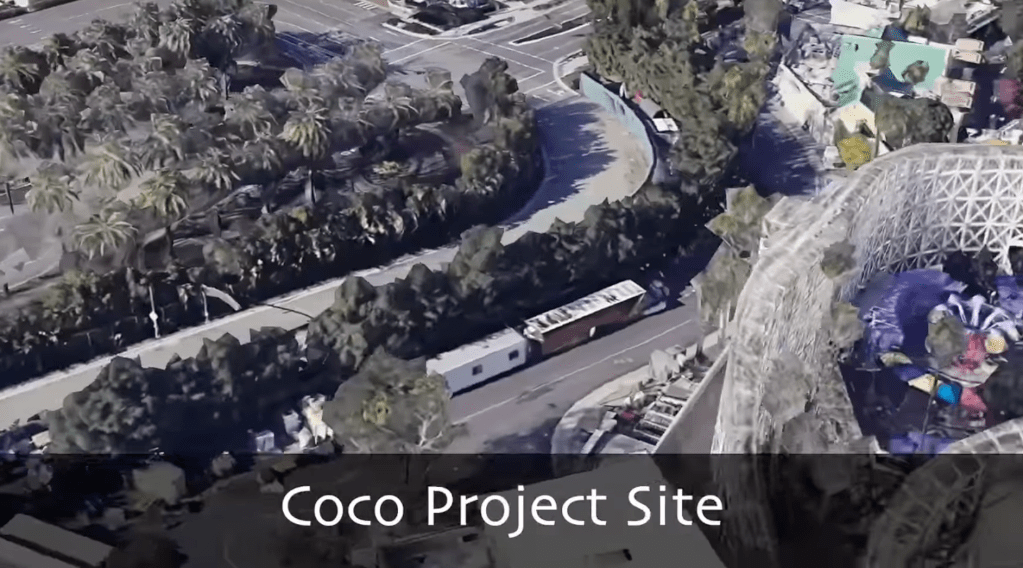
It’s July 2026, and there’s no summer break for the construction team in Anaheim building the Coco attraction at DCA.
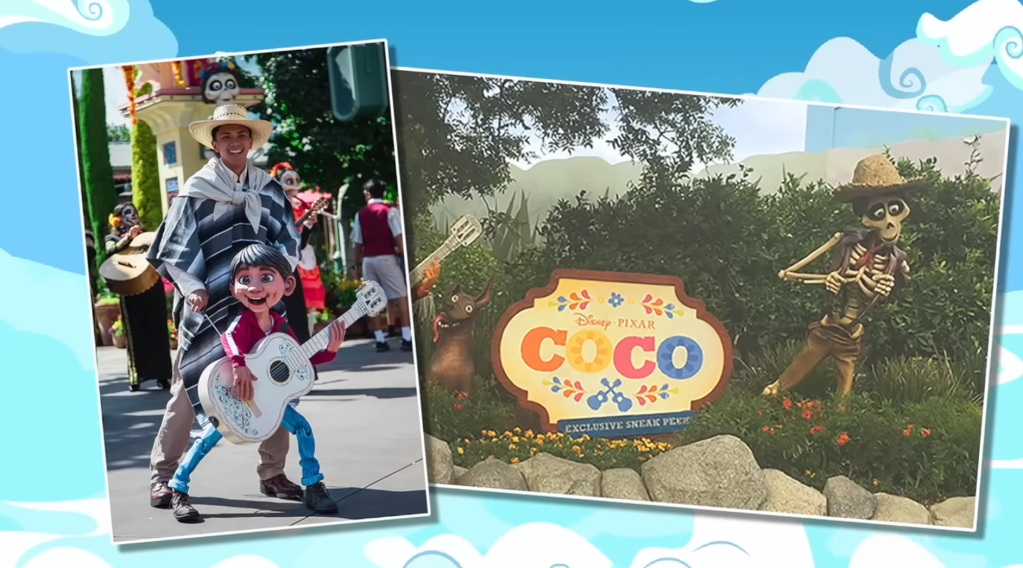
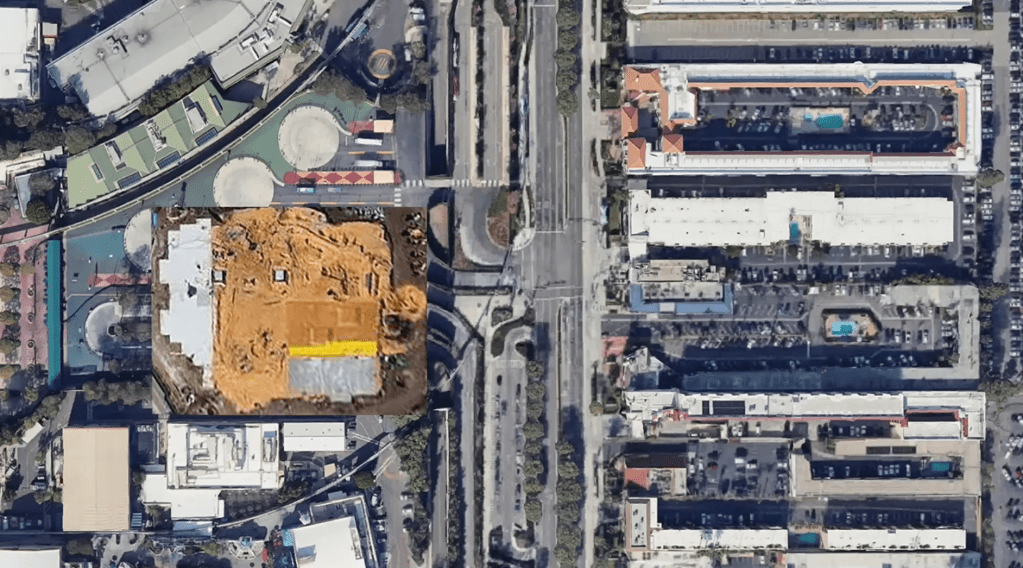
Coco has been popular at DCA for years, and we’ll get to that shortly. But first, let’s return to Coco at Paradise Pier. The project site is relatively small, but there is a lot happening.
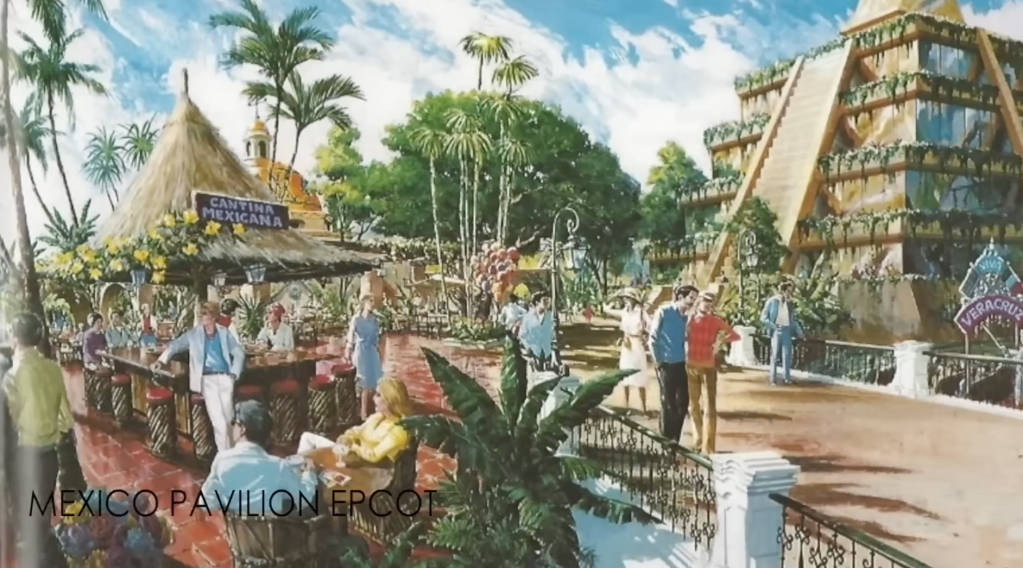
Roads, landscaping, service roads, parade routes, and access to the parade building have all been affected. Without that work, Coco could not happen. Only once the construction site is clear can the real build begin. A new road will be needed to connect with the parade route. For the ride and a possible comparison, consider the River of Time building in the Mexico Pavilion at Epcot. When you look at it, it’s easy to see why it offers a useful point of reference.
Concept art for Mexico in World Showcase.
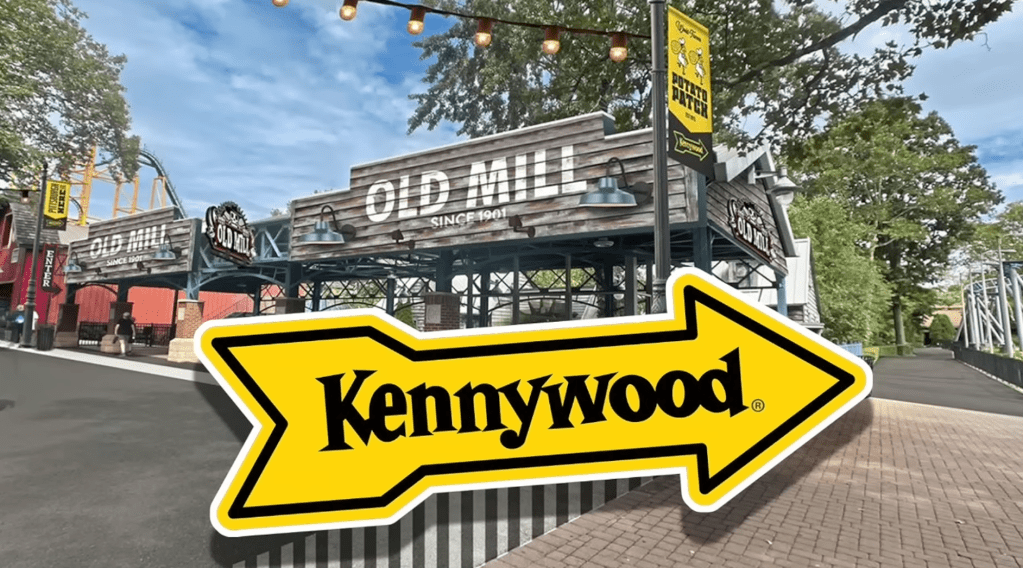
We don’t know whether Coco will look like this, but that’s part of the fun of playing Imagineer. It’s a Small World is a classic Disneyland water ride, but it was not Disney’s first. In 1955, the park opened with Canal Boats of the World, later renamed Storybook Land. Still, Disney did not invent this ride system. In 1901, Kennywood in West Mifflin, Pennsylvania, opened the Old Mill.
Entertaining guests since 1901.
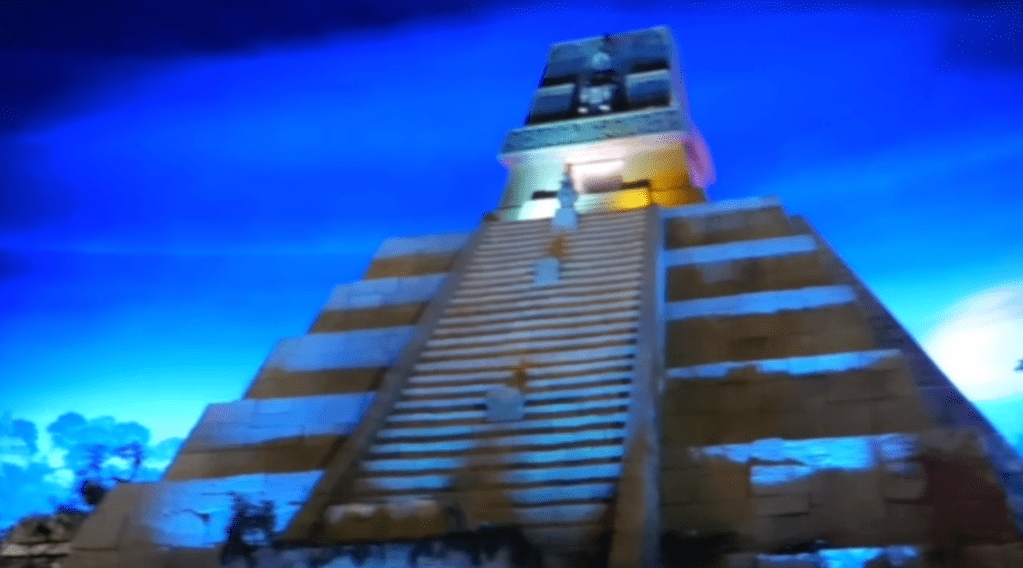
When Canal Boats of the World opened in 1955, it was modest, but it had enough appeal that Disney chose to move forward with it. It eventually became Storybook Land. Canal Boats worked because each boat had a motor controlled by an onboard operator. By contrast, it’s a Small World used water pumps alongside the flume to create a current that carried the boats through the show building. The exact ride speed was somewhat unpredictable because it depended on the combined weight of the vehicle and its guests, but the system was efficient, inexpensive, and reliable. For proof, we can look to Epcot’s Mexico Pavilion and the River of Time.
Just like the real Mexico except for the air conditioning.
The Mexico Pavilion at Epcot is unique among the World Showcase pavilions because it is entirely indoors. Step inside, and you leave the Florida sun and humidity for a cool, dark Yucatán rainforest. From the dining area, you overlookthe water, with an active volcano in the distance and remnants of an ancient civilization nearby. Below, boats drift with the current toward the pyramid. What lies beyond is something you have to experience from the ride itself. The ideaendures to today.
Coco is a seasonal part of DCA and Paradise Gardens.
We don’t have to wait for Coco’s ride to open at DCA, because the character has already been part of Paradise Garden for years. When I designed the area, I never intended it for Coco, but DCA brought Coco into Paradise Garden, where it became a hit. Each year, Coco now has a presence there, and I’m sure that will continue—especially once the ride opens and the footprint becomes much larger. As for the ride itself, it will draw on lessons Disney has learned from Small World,the River of Time, and Frozen Ever After. Disney knows how to build a water ride: where to place the water treatment plant, how wide the ride path needs to be, and how to design the boats, whether fiberglass or rotomolded. Still, building Coco at DCA is a major challenge because the site, while sizable, is already crowded. It includes a service road, a parade route, and vehicle access to nearbywarehouses. New roads will be added, accommodations will be made, and people will still be able to move through the service areas while parades continue to operate.
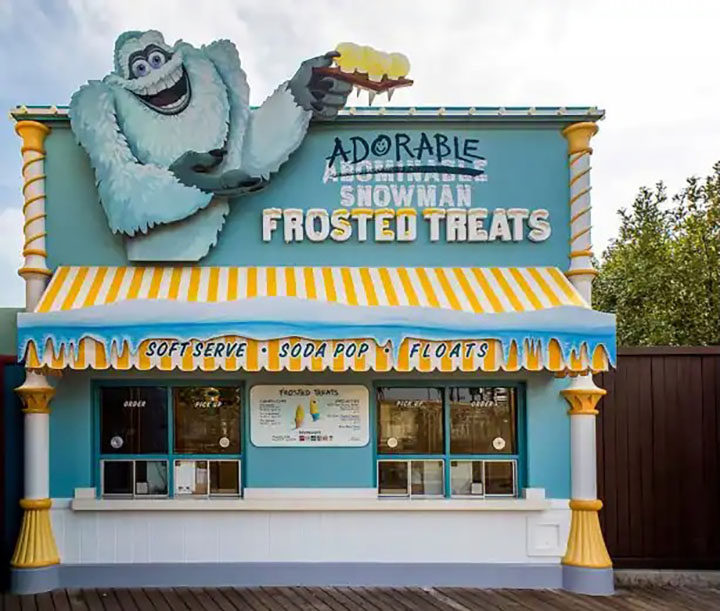
Could Monstropolis come to the Hollywood Backlot at DCA?
That’s simply what happens when new rides are built. And speaking of new rides, let’s take a moment to consider one more possibility. This is pure speculation, but it is based on the clues we have—and the questions that remain. So, let’s talk about the third attraction coming to DCA. It is planned for the Hollywood backlot and was announced as Avatar.
The Door Coaster as designed fits on the available site.
But here’s another idea: what if Monstropolis went there instead? What if DCA added the door coaster now being built at Disney’s Hollywood Studios in Florida? First, would it fit? Yes. It would take some work, but the ride would not need to be redesigned.
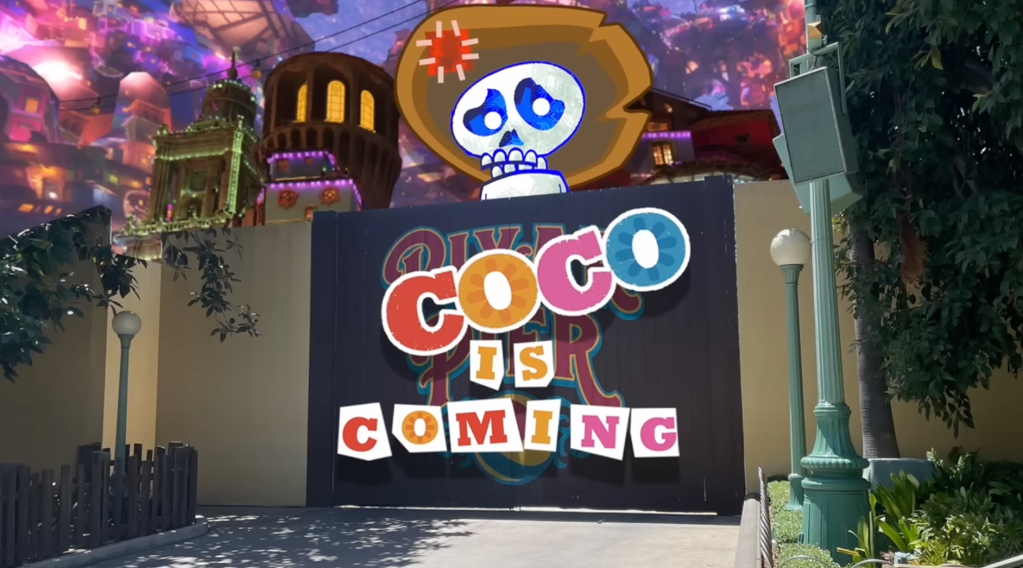
You could simply call and say, “I want one more of those.” Honestly, it would complement Coco well because Coco is a water ride—and as Walt Disney said, “You don’t follow pigs with pigs.” Whatever happens, Coco is coming. It will occupy this site, and it may even resemble this concept. When it opens, it will bring a village setting and a very different, expanded Pixar Pier. We know it is coming, and we know it is coming soon—maybe not in 2026 or even 2027, but soon.
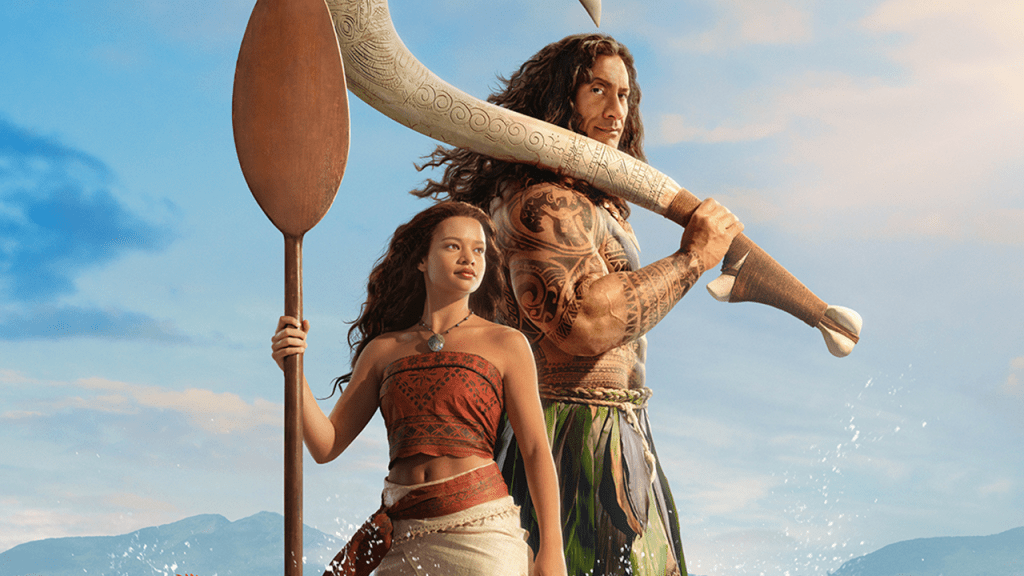
In a summer marked by disappointment and uncertainty, Disney offers a useful business lesson: social media influencers cannot rescue a weak idea. The live-action version of Moana reportedly cost about $250 million to produce and another $100 million to market, meaning it needed an extraordinary box office performance to turn a profit. Its underwhelming results likely stemmed from several factors: the original film was released only about a decade ago, an animated sequel had recently arrived, and the remake did not meaningfully differ from the animated version.
The live-action Moana stumbled because it reflects a recurring problem in Hollywood: the people making movies often misjudge what audiences actually want. Supergirl, for example, was never built as a true star vehicle. More recent films such as Strange World, Elio, and Wish may have sounded promising on paper and checked the right boxes, but that does not guarantee an audience will show up. Disney has repeatedly tried to elevate properties such as the Muppets, Winnie the Pooh, and Tinker Bell, raising the same question each time: why commit major resources to a brand without clear audience demand?
The Disney Princess was successful enough for the a Tinker Bell brand.
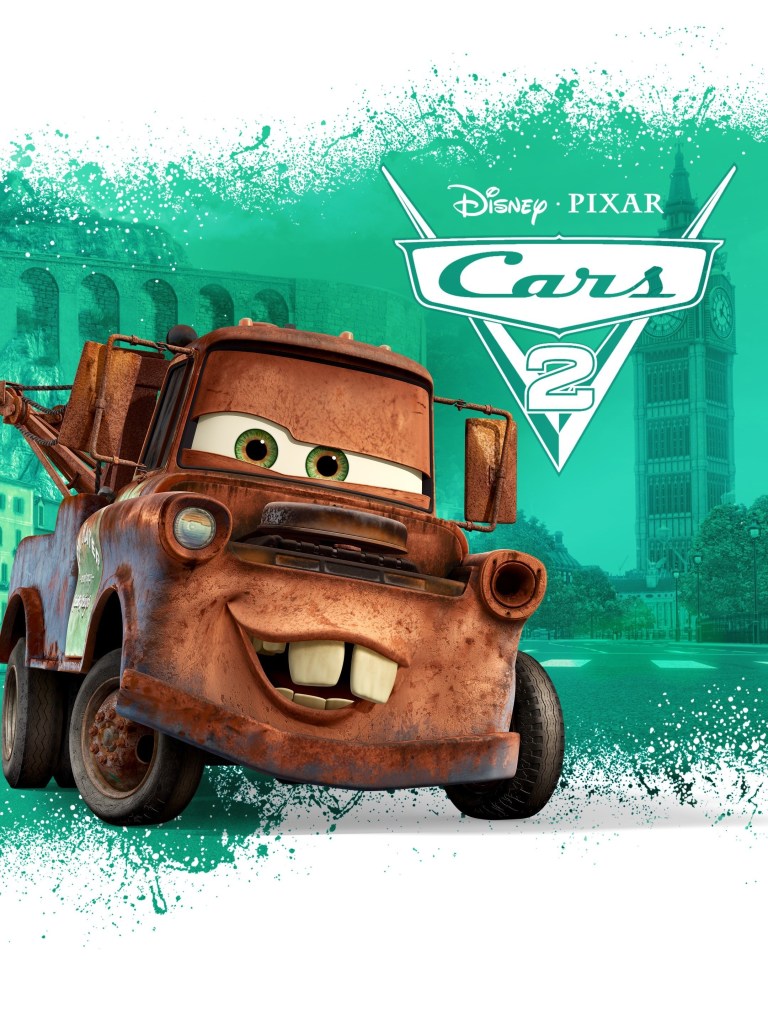
These efforts usually begin with a premise. The Disney Princess line, for instance, emerged almost by accident, but once it generated significant revenue, Disney naturally tried to expand it. That impulse helps explain the push behind Tinker Bell, even though the character had little narrative foundation: she was a silent pixie who appeared alongside Peter Pan in one film and had no obvious story of her own. Cars followed a similar pattern. The first film turned ordinary toy cars into must-have merchandise, which encouraged sequels. But after Cars 2—essentially the Mater movie—and then Cars 3, the franchise lost momentum and appeared to reach its natural limit.
CARS 2 aka “The Mater Movie”.
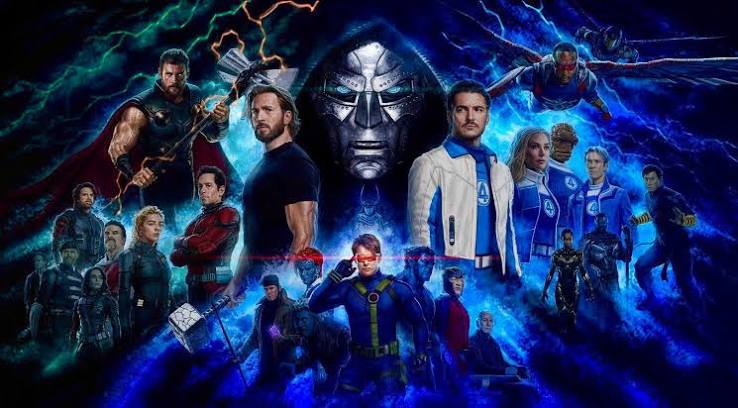
Over reliance on brands leads to brand extensions, and brand extensions can eventually create bubbles. You cannot predict exactly when a bubble will burst, but eventually it does. Marvel is a clear example. At one point, the studio was releasing three films a year, and if Disney had been able to build a Marvel-focused fifth gate at Disney World, it likely would have. The company could not do so because of the existing agreement between Marvel and Comcast, but Disney still expanded Marvel elsewhere. For a time, the films were produced in Georgia and arrived at a relentless pace. Today, that momentum has slowed, and production has shifted to the United Kingdom. Recent Marvel Studios releases have been less successful, and the gap between Fantastic Four and Avengers: Doomsday will be roughly a year and a half. The issue is not simply that individual films are bad; the problem is that audiences can grow tired of consuming the same thing again and again. Even steak loses its appeal if it is served at every meal.
Is Avengers Doomsday doomed?
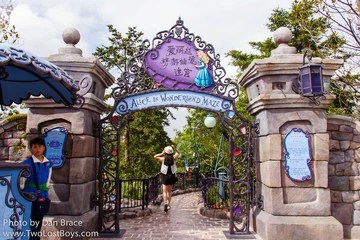
What Disney is confronting being the law of diminishing returns. The problem is not that these projects stop making money; it is that they make less money than expected. Tim Burton’s Alice in Wonderland succeeded because it generated an unexpectedly large return, earning about $1 billion and reviving the Alice brand after decades of dormancy. Its influence was strong enough that Shanghai Disneyland’s Alice maze was based on Burton’s version rather than the classic animated film.
Tim Burton’s Alice in Shanghai Disneyland. Credit: Dan Brace
But no tree grows to the sky. When Alice Through the Looking Glass was released, it did not collapse as a film so much as fall short of expectations. That is the risk of brand extension: eventually, the bubble bursts.