Art credit: Jim Shull 2026
As an Imagineer, I am frequently asked about my preferred ride, show, or themed land. My response has consistently been Rock and Roller Coaster. Upon learning of its upcoming closure, I boarded a plane and traveled to the event to meet with several team members to reflect on our shared history and exchange memories.
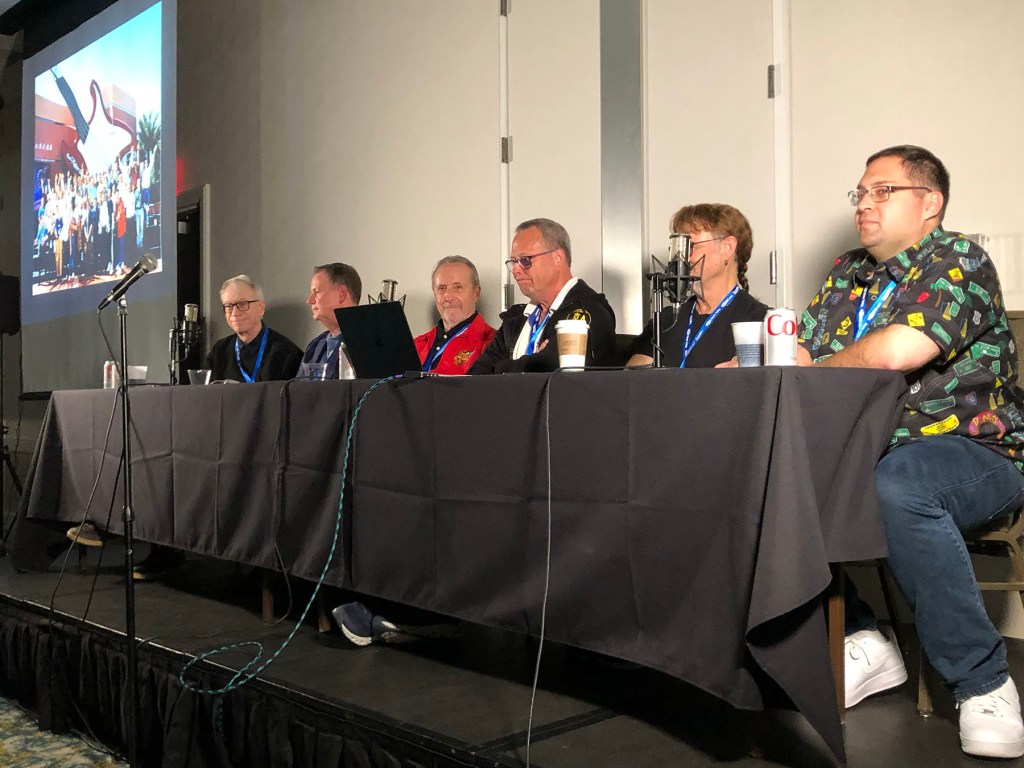
Rock n’ Roller Coaster team members February 28, 2026
As with all good stories this one starts in an expected place. Whether one enters Disneyland or Magic Kingdom, the guest experience is rooted in narratives inspired by fantasy—sometimes whimsical, sometimes elevated—but always imaginative. Other Disney parks similarly embrace this tradition. Notably, Disney MGM Studios (now Disney’s Hollywood Studios) exemplifies this approach through Rock and Roller Coaster, featuring Aerosmith. In the idealized recording ‘Studio C’, guests encounter the band preparing for a concert, and through the immersive storyline, they are cast as VIP fans invited to a special event by limousine, encapsulating the essence of fantasy.
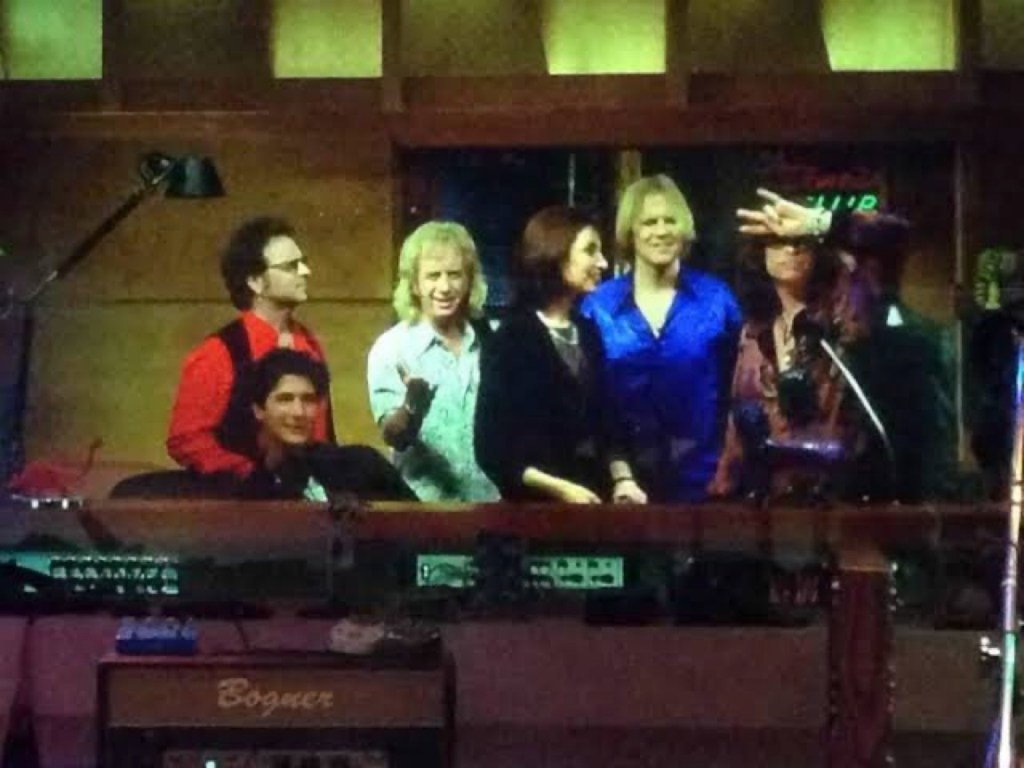
Studio ‘C’ video filmed using the Showscan system
The origins of Rock and Roller Coaster can be traced to signage in the Disney MGM Studios parking lot, which included a “Music” section despite the park opening with an absence of music-themed attractions. Entertainment yes, but not attractions or rides. Having identified this gap, musical innovation was prioritized, particularly as the park sought to transition from primarily educational offerings—such as insights into movie and television production—to more dynamic rides.
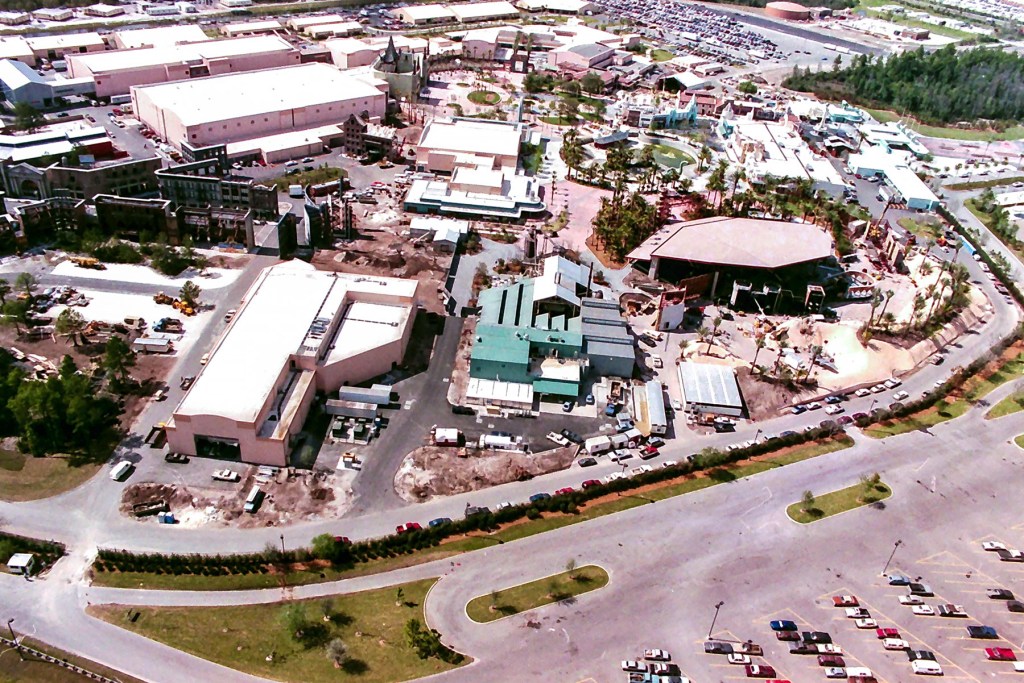
Disney MGM Studios Theme Park in 1989
Tower of Terror provided the initial shift, but further development led to the concept of integrating a high-speed roller coaster with a musical motif, thus initiating the journey towards Rock and Roller Coaster.
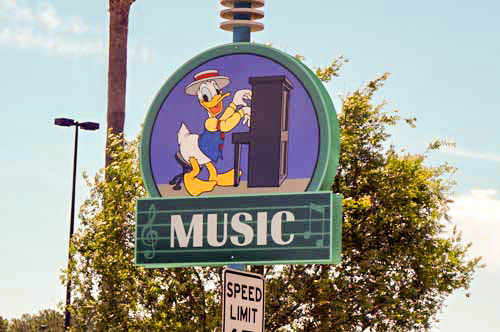
DMGM Studios parking lot had a section named “Music” in 1989
Space Mountain’s success in Paris demonstrated the appeal of combining rapid launch mechanisms, multiple inversions, and onboard audio. While adaptation for Orlando seemed promising, logistical constraints prevented its direct implementation. The narrative continued to evolve, drawing inspiration from Premier Rides’ Outer Limits: Flight of Fear. This ride located in Ohio was notable for its pre-show and launch vehicle, though it lacked onboard audio and featured an intricate indoor track layout. These elements informed the Florida project for the ride, but as typical in the development of a new Disney ride, it faced challenges. Among the challenges was securing naming rights. Although “Rock and Roller Coaster” was readily understood among project stakeholders, there are another company in front of Disney because Universal Studios initially held a claim. Subsequent research revealed Opry Land in Tennessee had previously used the name, but with the park’s closure by Gaylord Entertainment, Disney was able to acquire the rights. Had circumstances differed, the attraction might have proceeded under another designation; however, “Rock and Roller Coaster” ultimately became exclusive to Disney Imagineering.
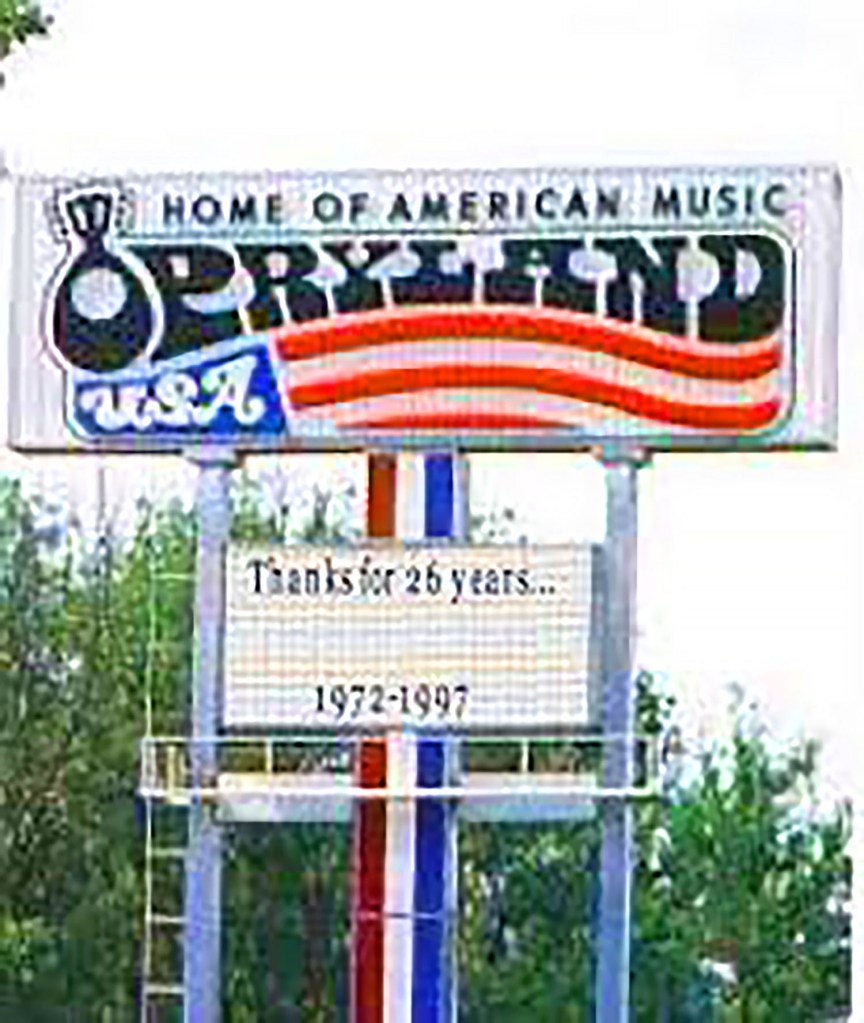
Disney secured the name ‘Rock n’ Roller Coaster’ from Gaylord Entertainment
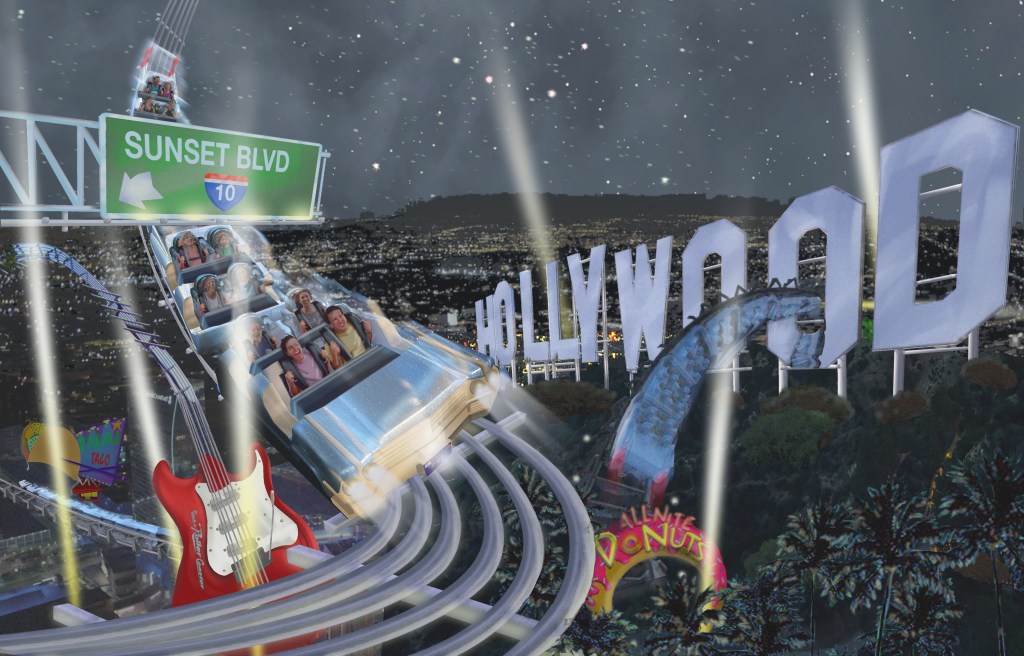
Pulling from my background in animation and storytelling, I directed efforts to create a compelling environment that conveyed the ride’s narrative prior to entry. Inspiration was derived from Los Angeles recording studios, notably locations such as the former Charlie Chaplin studios (later A&M Records and subsequently Jim Henson Company headquarters) and RKO Records. The interiors of these facilities prioritized functionality, characterized by narrow corridors, sound booths, and stages. Early design iterations considered replicating Space Mountain from Paris but eventually evolved towards a music studio aesthetic. The addition of a prominent guitar was deemed essential; dimensional design utilized real instruments as templates, culminating in a large-scale installation fabricated in Tampa, Florida, with complementary components developed in Logan, Utah, and Daytona Beach.
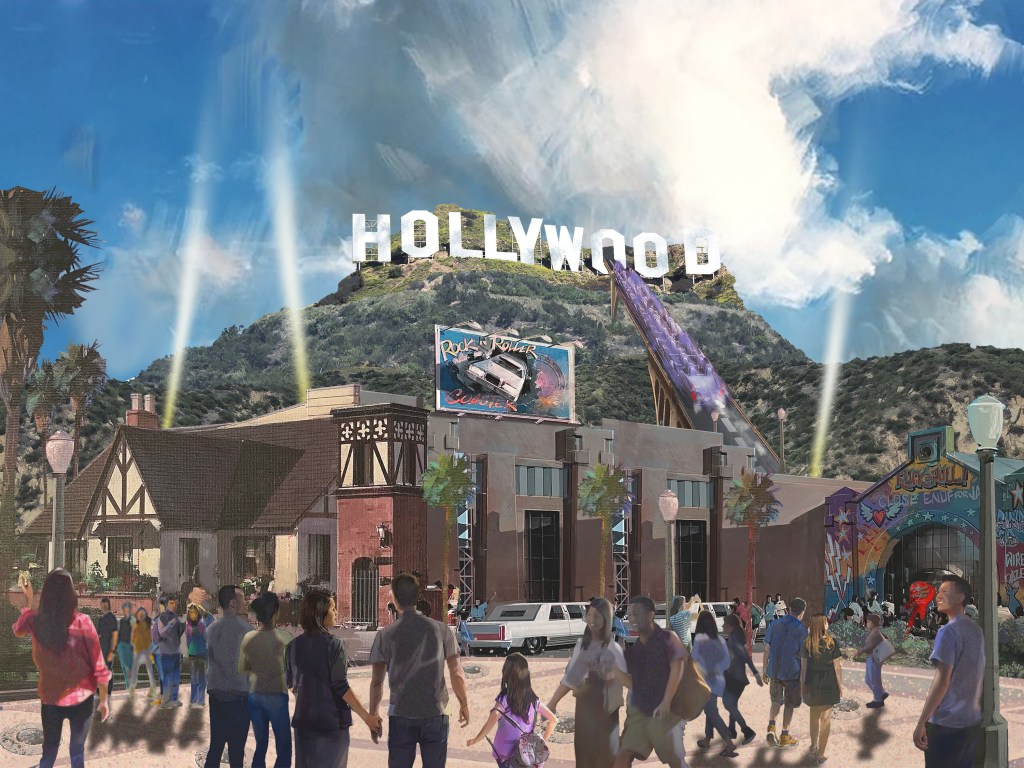
Art credit: Jim Shull 2026
The roller coaster train and track was constructed in the Netherlands, incorporating rigorous testing and safety evaluations. During the project’s construction phase in Florida, extensive oversight was maintained, including practical solutions for site-specific challenges such as utility placement and theming adjustments. Building an attraction typically requires three to five years, while a new park demands five to seven years, underscoring the complexity and commitment involved.
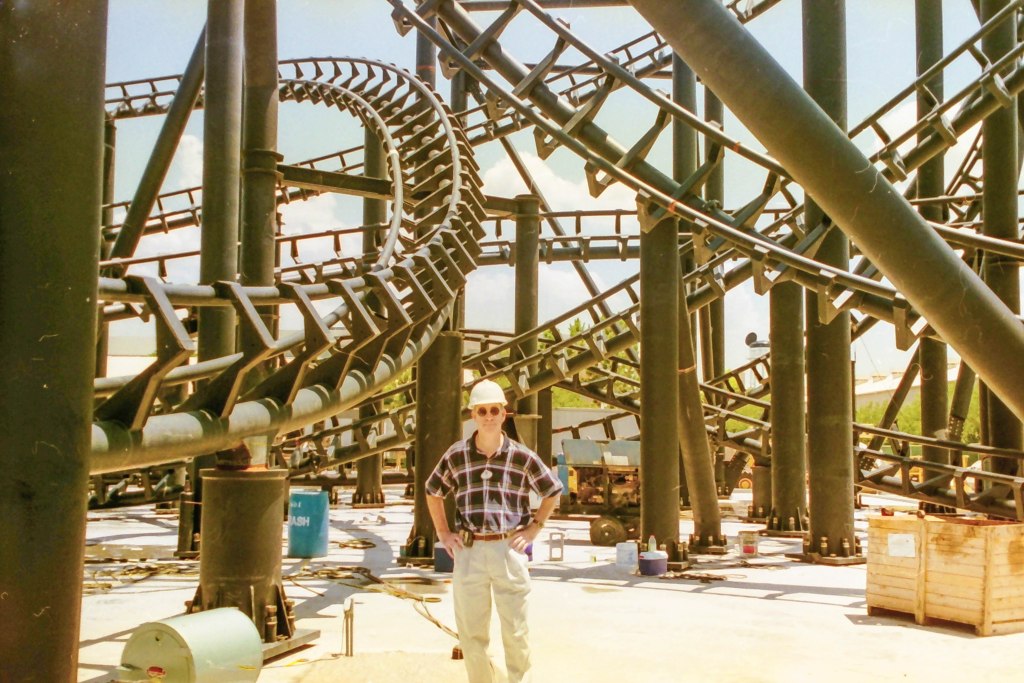
The author in the field during construction
Upon completion, the project was handed over to park operations, and the ride opened on June 29, 1999.
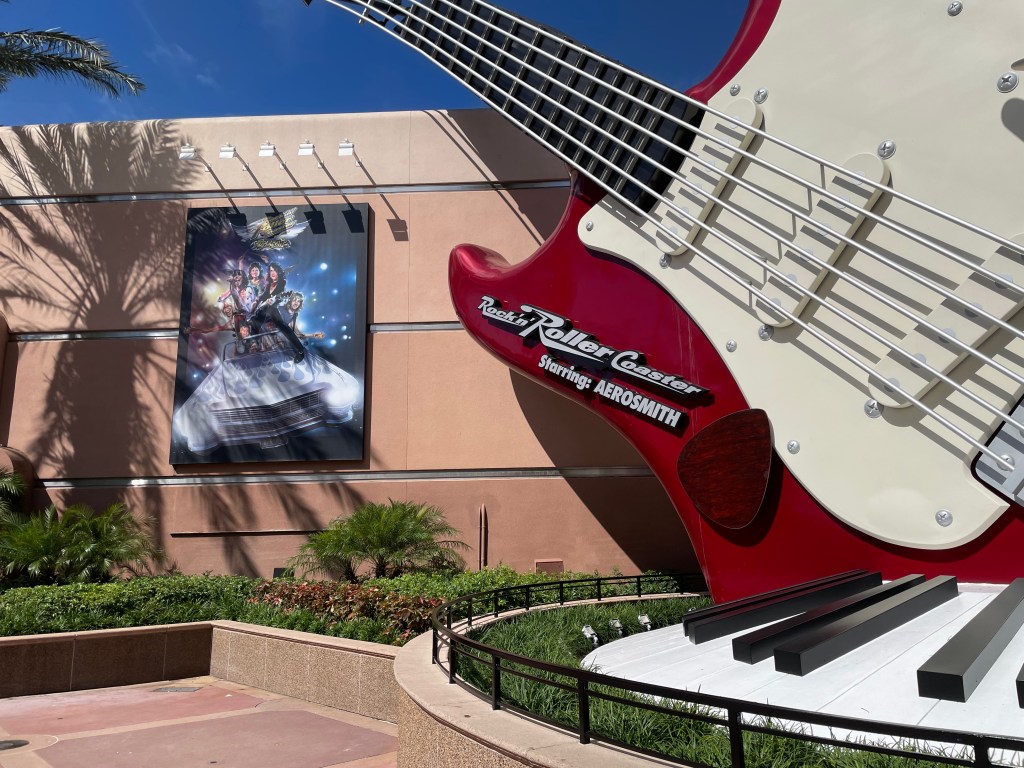
Rock n’ Roller Coaster opened July 29, 1999
On February 28, 2026, the Rock n’ Roller Coaster Project Team reconvened at Walt Disney World to commemorate the closing of Rock and Roller Coaster, reflecting on how conceptual elements—including the acquisition of a guitar, billboard artwork, and prop integration—contributed to an innovative and memorable guest experience. Through collaborative effort, a small, dedicated group succeeded in realizing a unique attraction that fulfilled the creative intent associated with the music-themed parking sign: an exhilarating VIP concert experience headlined by Aerosmith and delivered via super stretch limousine.
For more information about Rock n’t Roller Coaster, click on this link: https://youtu.be/AfdHbMNerQQ
 Disney Journey Blog