Eddie Sotto: The Heart of Disney Imagineering

Introduction

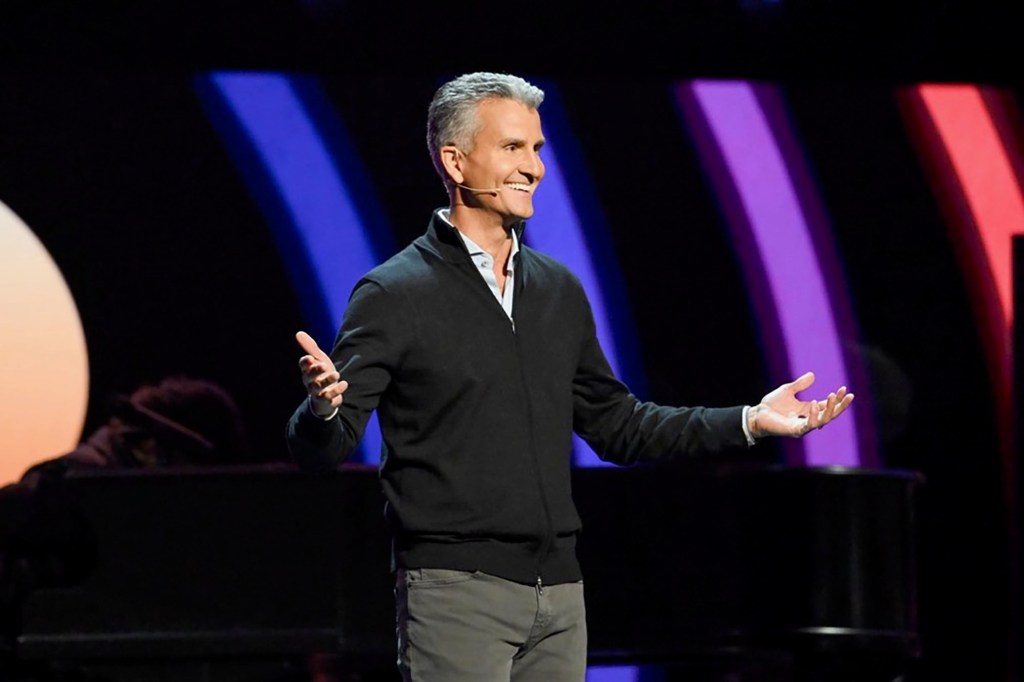
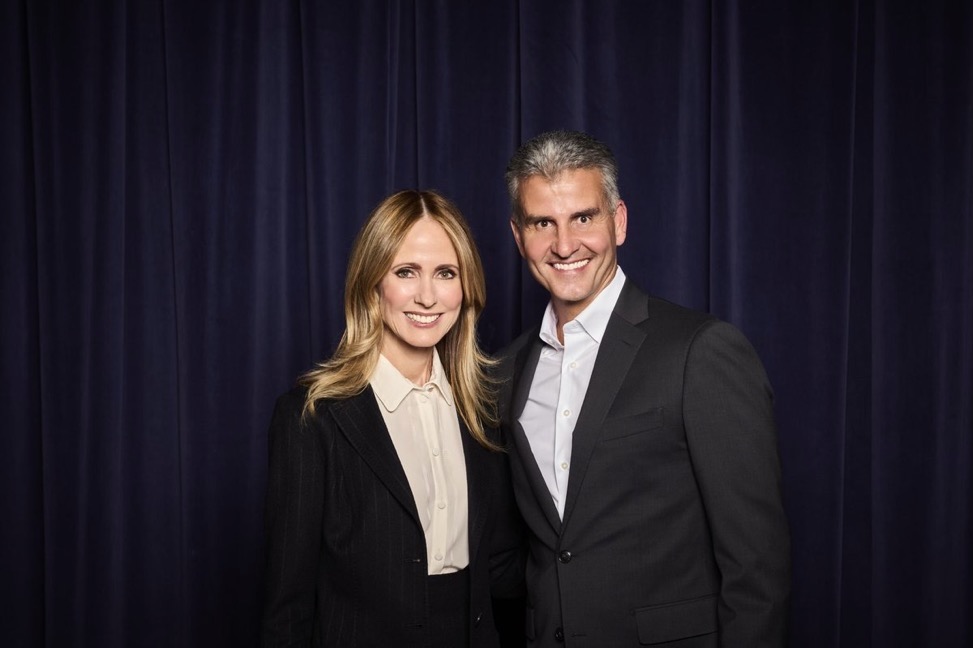
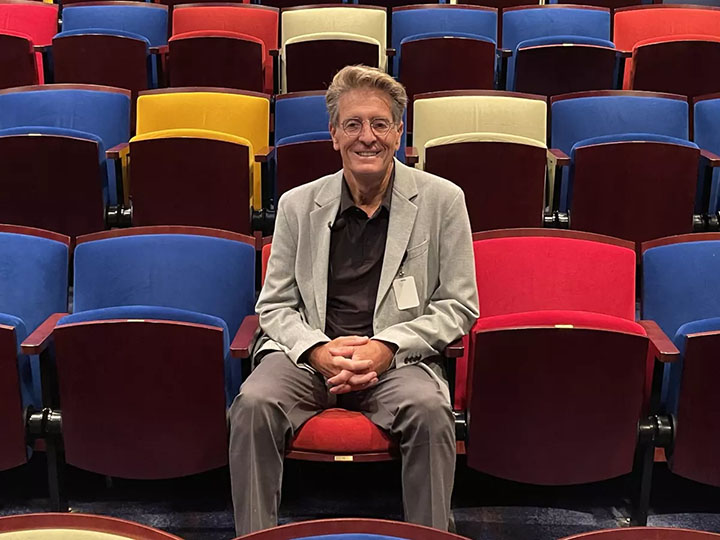
This is the first time since starting Disney Journey that I am sharing a story that weighs heavily on my heart: the recent announcement of the passing of legendary Imagineer Eddie Sotto. Eddie is an essential figure if you wish to truly understand Disney and the work of Disney Imagineering during the late 1980s and early 2000s. He accomplished so much, and his talents were truly exceptional. 

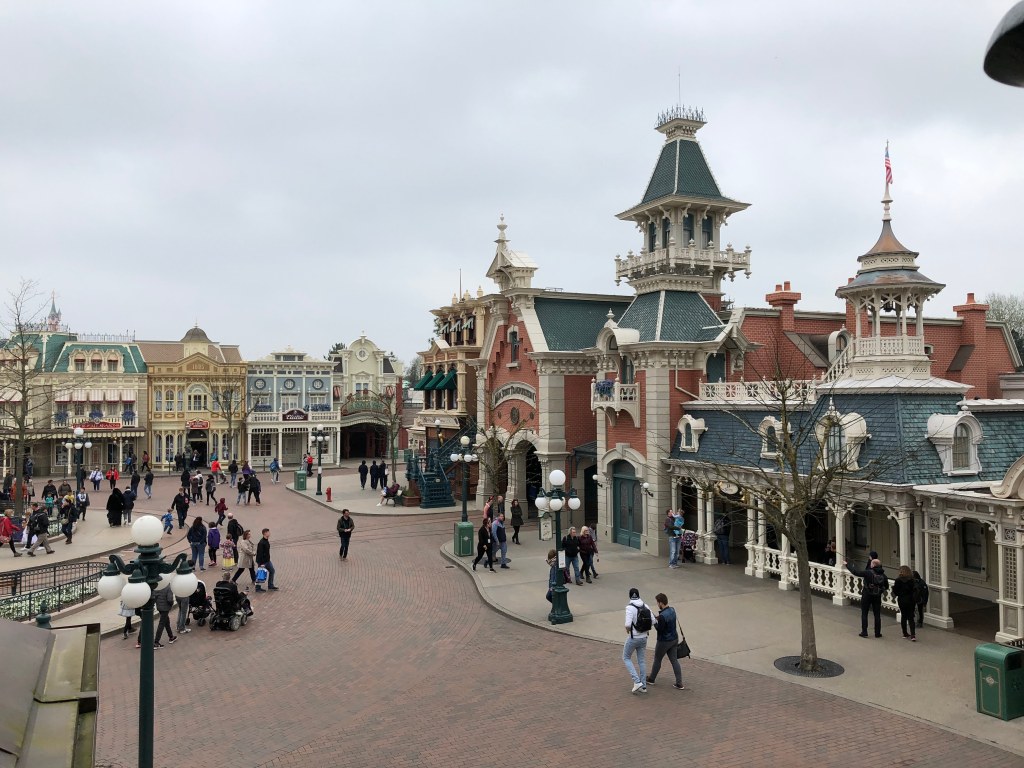
Main Street Euro Disneyland

Remembering Eddie Sotto: Colleague and Friend

Eddie was more than a colleague; he was a friend. He was someone I could call upon for feedback, always generous with his time. Time he could have spent creating incredible drawings, like those that led to the development of Euro Disneyland, now known as Disneyland Park in Serris, France. The beautiful hotel that serves as the park’s entrance and the iconic train station at Main Street USA are among his notable contributions. Eddie’s name appears on one of the windows on Main Street, alongside other creative directors.

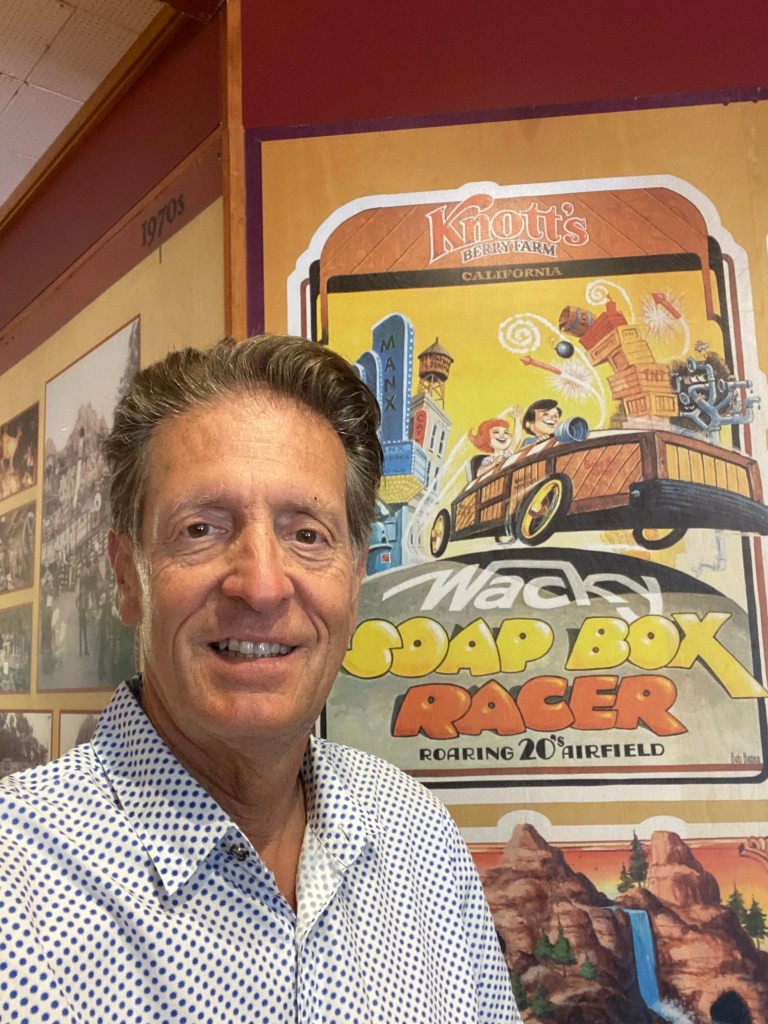
When I joined Walt Disney Imagineering in 1988, Eddie was already there, having come from Knott’s Berry Farm where he brought creative ideas to life. I especially remember his reimagining of an existing ride into the Soapbox Racers. He transformed the ride system, making it fun and lively with great music and unforgettable characters. Working within a small park with limited resources, Eddie wore many hats and delivered magic on a tight timeline. Every time I rode the attraction, I’d congratulate him, and he’d respond with a trademark cockeyed grin—sometimes dropping into his radio announcer voice to say, “Thank you. Thank you very much.”

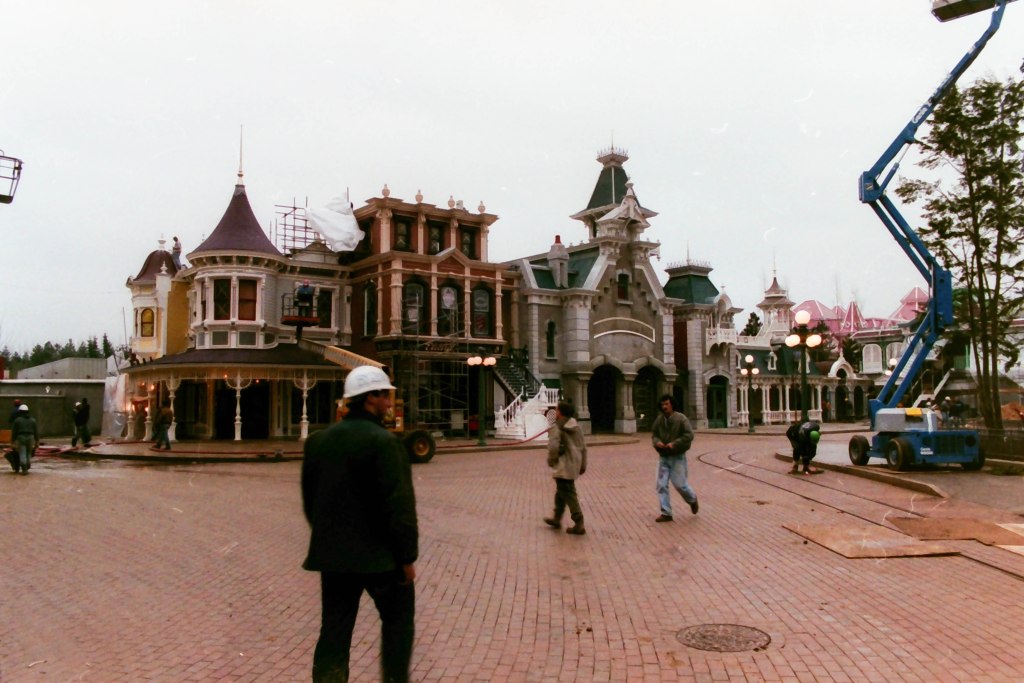
The Euro Disneyland project team operated out of a converted warehouse on Rodier Street. While the building retained much of its original character, Eddie’s vision set him apart. His concept for Main Street USA was rooted in the 1920s, featuring an elevated streetcar, though that idea did not come to fruition. What did emerge, however, was a uniquely beautiful Main Street—arguably the finest in any Disney castle park.

Main Street construction Euro Disneyland 1991

Creating Magic: Main Street USA and Beyond

The farmland and beet fields of Serris France were transformed into a construction site, and over months and years, Main Street USA rose from the ground. Its Victorian style was enhanced with cinematic touches, creating the perfect fantasy. Today, visitors—many of whom are unfamiliar with the historical period—walk those streets and smile, enchanted by the views Eddie helped create.

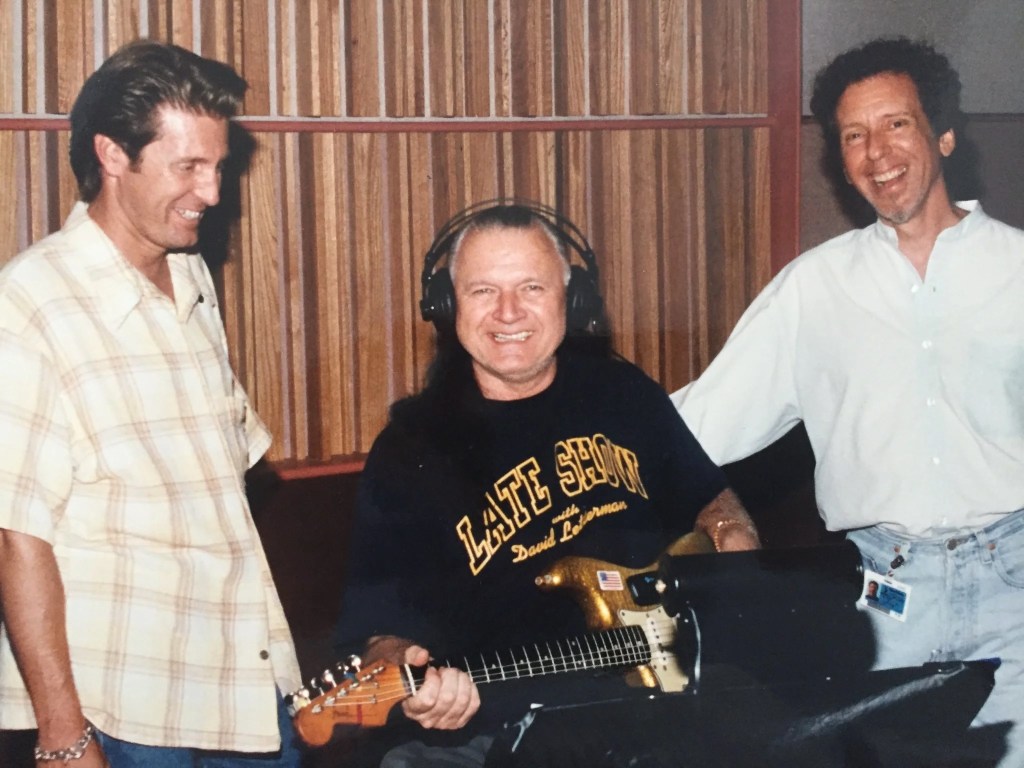
Eddie Sotto, Dick Dale and person unknown during Space Mountain session

Eddie’s Passion for Rock and Roll

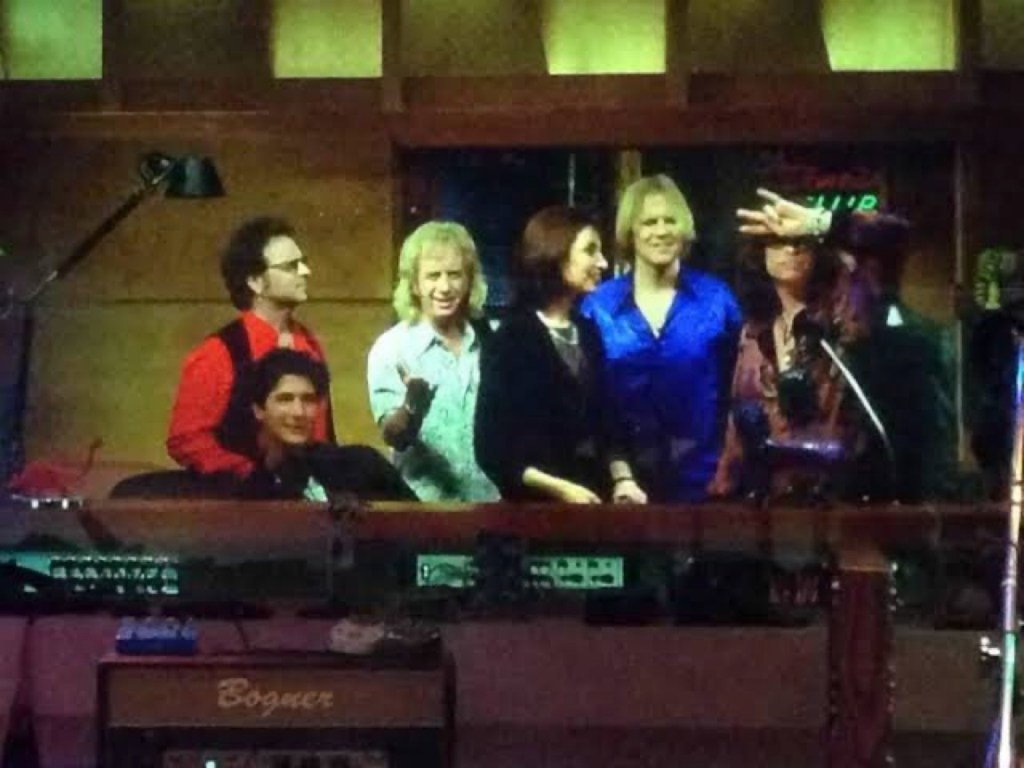
Eddie Sotto’s love for rock and roll was evident in his work. His visionary idea to collaborate with legendary surf guitarist Dick Dale resulted in a new soundtrack for Space Mountain in Tomorrowland. Few would have thought to pair surf guitar with a space-themed attraction, but Eddie did—and the result was a resounding success.

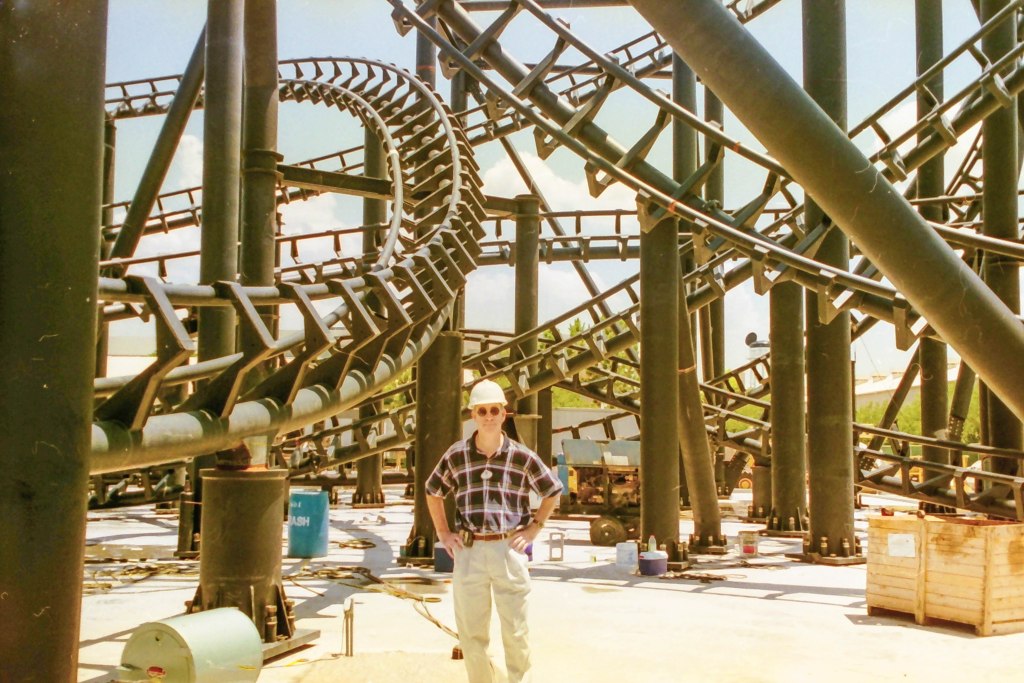
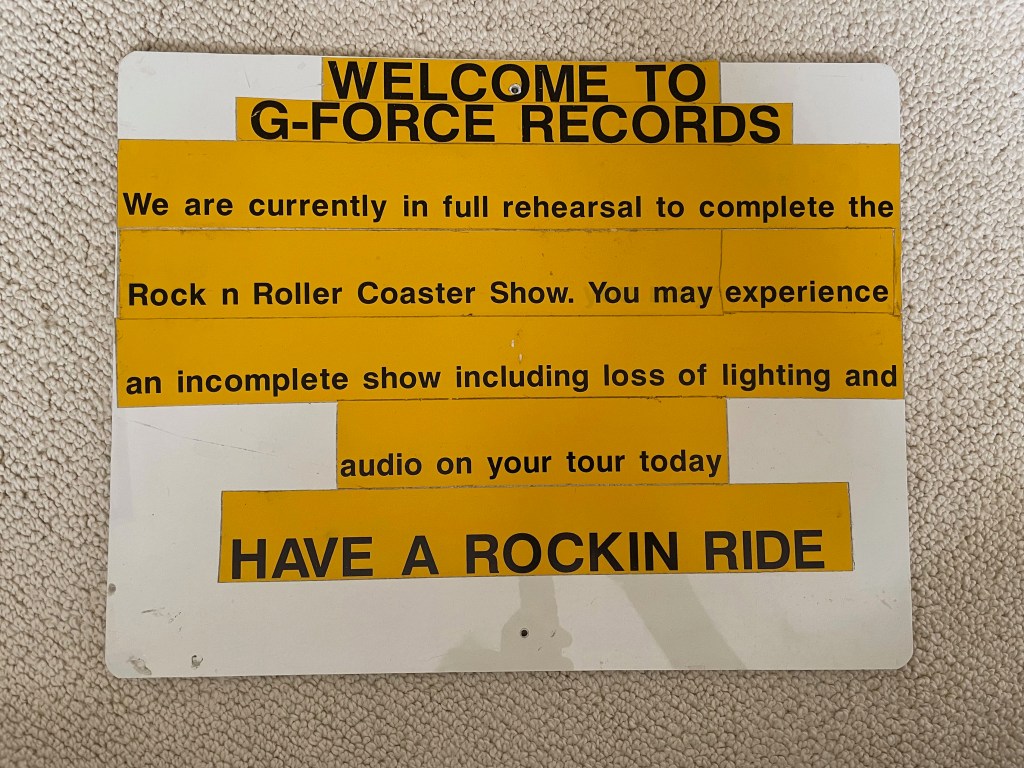
Safety sign Rock n Roller Coaster during test phase

Mentorship and Support

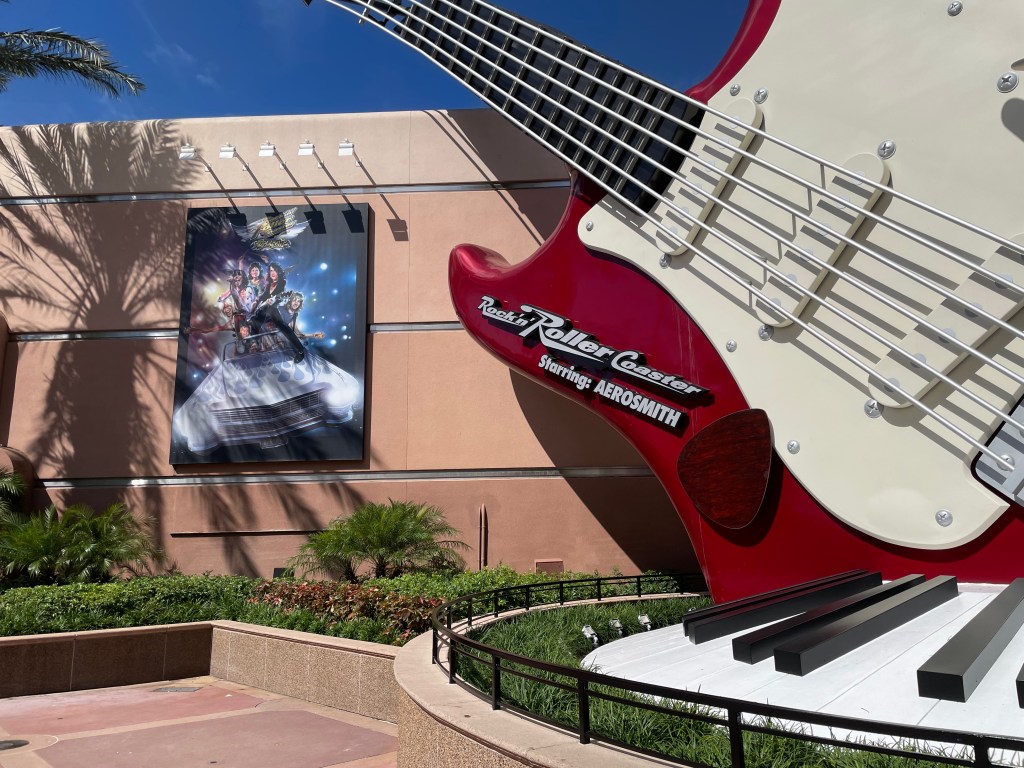
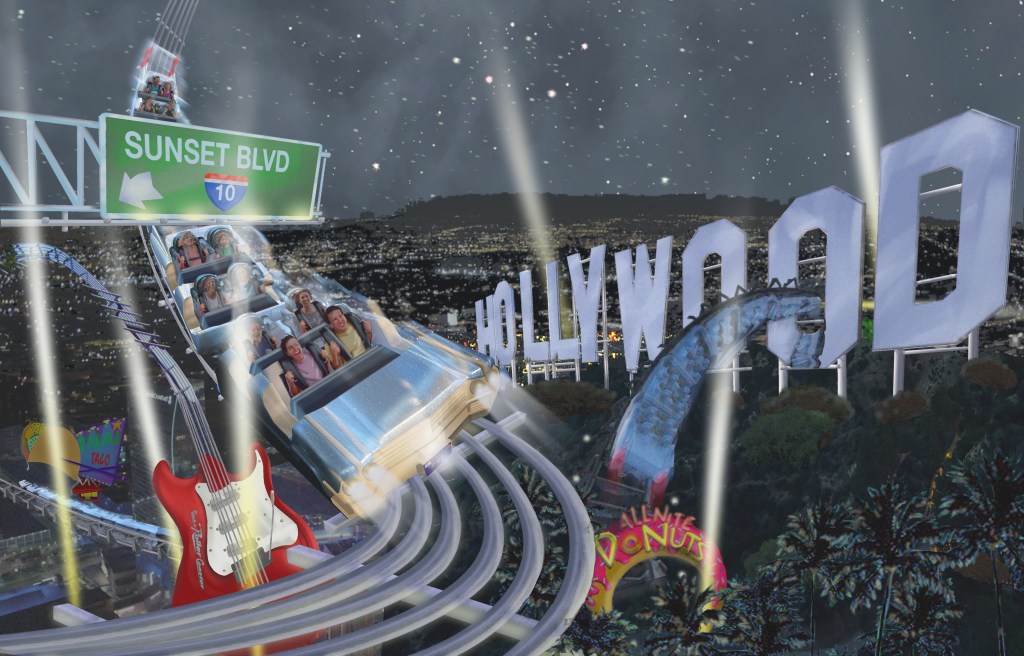
While living in Florida for Rock n Roller Coaster, Eddie phoned me and we met to walk my project and share a meal in the rooftop restaurant in the Contemporary Hotel.  Eddie was in Florida for his own projects. Despite his busy schedule, he was generous with his time, reviewing notes and walking through Rock ‘n’ Roller Coaster with me. He reassured me about my creative decisions and encouraged me, saying, “Your ideas about rock and roll are classic. They’re good. They have energy.”  His encouraging words were heartfelt and sincere.

Pooh’s Hunny Hunt Tokyo Disneyland

Pioneering Ride Systems: Pooh’s Honey Hunt

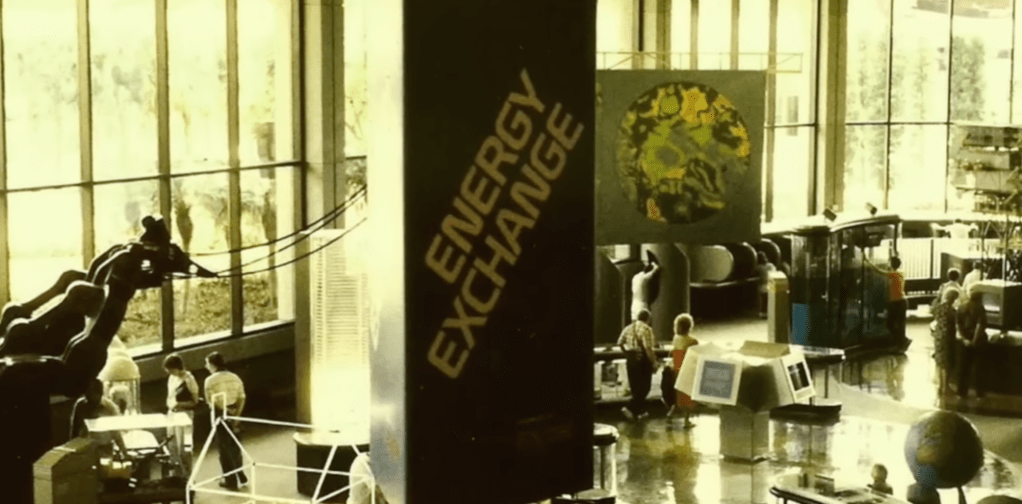
Eddie was inspired by innovative ride systems, such as the trackless system in Universe of Energy. He led the creative team to develop Pooh’s Honey Hunt in Tokyo Disneyland’s Fantasyland. Even knowing what to expect, I was surprised when the fleet scattered into the Hundred Acre Wood, weaving through scenes with Heffalumps and Woozles. The ride was delightful, family-friendly, high-capacity, and, though ambitious, a tremendous success. Its success laid the groundwork for Remi’s Ratatouille Adventure at Disney Studios Park in France.

Tokyo Disneyland Queen of Hearts restaurant

Creative Landmarks: Queen of Hearts Banquet Hall and More

Eddie’s impressive resume includes projects such as the Alice in Wonderland-themed Queen of Hearts Banquet Hall at Tokyo Disneyland. The innovative use of forced perspective made the space feel much larger than it was. Eddie’s meticulous attention to detail manifested in hours spent refining drawings for Main Street USA, always providing clear instructions for the project team on how to bring his vision to life.

LAX Encounter restaurant

Legacy Across Parks and Beyond

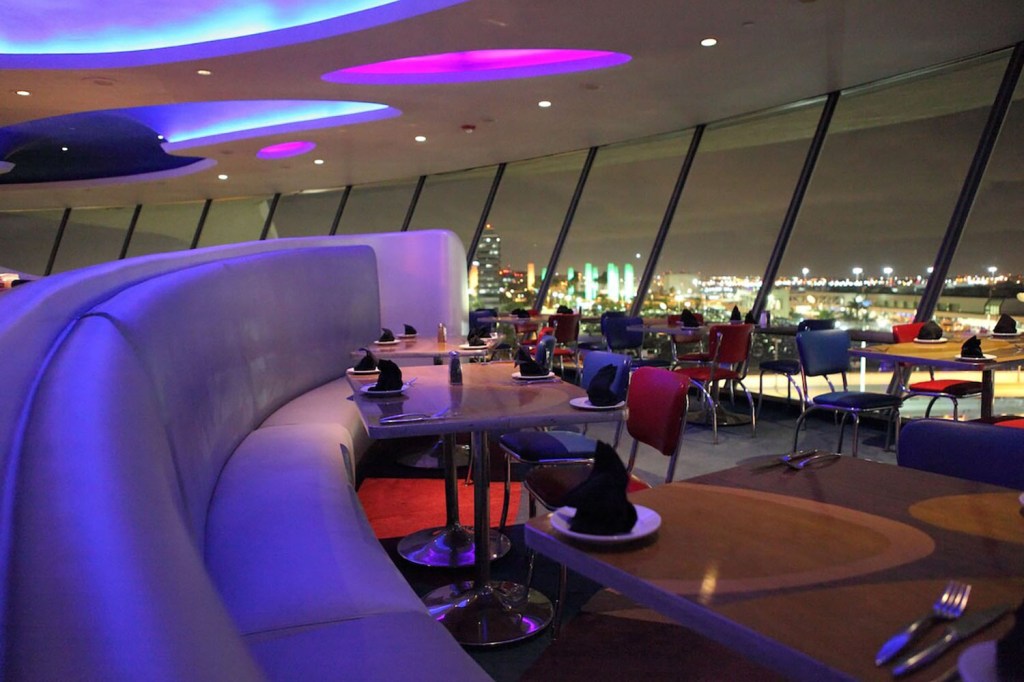
Eddie’s expertise extended to countless other projects, including Mission Space, the proposed Sci-Fi City for Tomorrowland at Tokyo Disneyland, a revamped Jungle Cruise for Indiana Jones, and Shrunken Ned. His creative influence reached beyond Disney parks. At Los Angeles International Airport, he led the team that created the Encounter Restaurant in the iconic Theme Building, imagining a retro-futuristic space reminiscent of an alternate universe, complete with his love for lava lamps. Although the restaurant is now closed, the memories of those creative sessions with Eddie and his team remain vivid.

Eddie and team during Main Street construction.

Conclusion: A Lasting Tribute

Looking back on Eddie Sotto’s legacy, I am filled with gratitude for his ideas, the people he inspired, and the lasting impact he made on themed entertainment. While I hope we may see another Eddie in the future, I truly believe his influence is one of a kind.

Disney Journey Transcript Show #89

Exploring the Magic Kingdom: A Firsthand Account

Welcome to Disney Journey. As many are already aware, the Rivers of America in the Magic Kingdom have closed for a major project that has been underway for several months. Now, the scale and magnitude of this transformation are fully apparent, and this episode is dedicated to exploring those changes in detail.

Arrival and First Impressions

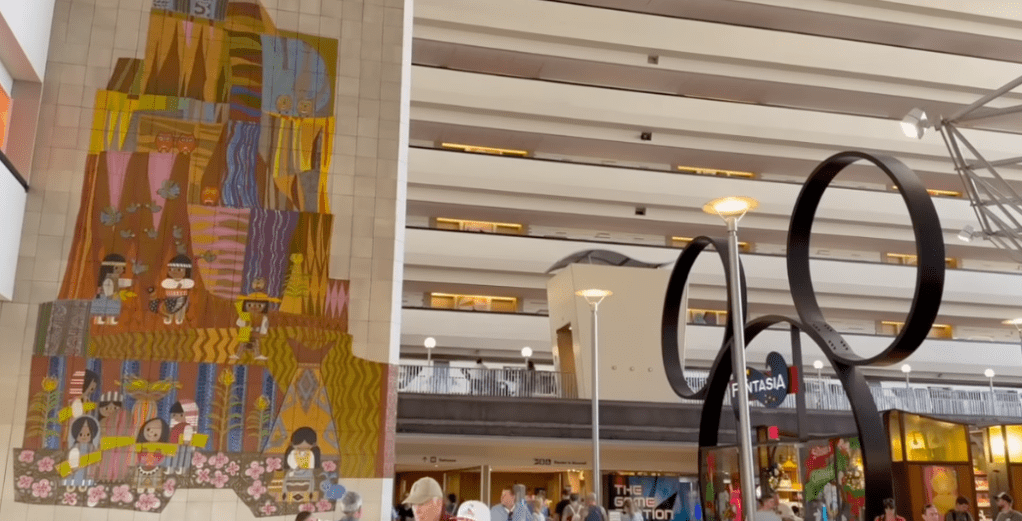
I prepared myself for this trip, knowing it would be my first time seeing the Rivers of America since its closure. My journey began at the Contemporary Hotel, where I parked. The walk from the hotel’s parking lot to the Magic Kingdom’s front gate is short and pleasant, providing an opportunity to enjoy the Contemporary’s inviting lobby. There is a wonderful coffee bar and striking artwork on the walls, and the cast members are always eager to share stories about the imagineers and the history behind the Contemporary Hotel’s creation.

The Contemporary Hotel: A Design Marvel

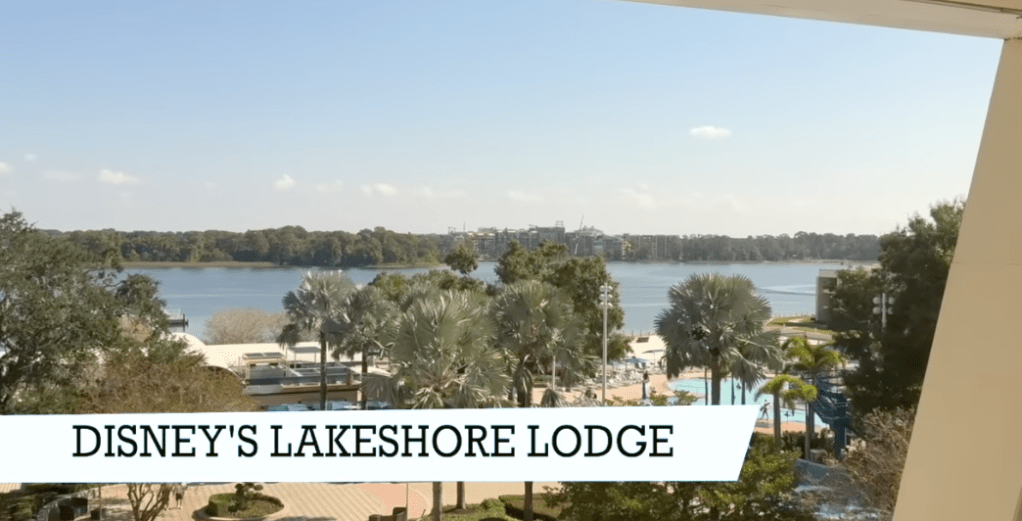
While facts and rumors often intermingle, it’s worth noting that US Steel played a significant role in the hotel’s groundbreaking design. In 1971, hotel atriums were not as commonplace as they are today, making the Contemporary truly ahead of its time. The galleries showcase artwork that reveals the thought process of the architects and designers, offering a rare glimpse into their creativity. The interior design remains stunning and timeless, and the views from the hotel are exceptional—especially the view of the new “Reflections” hotel, which now stands where Wilderness Lodge once was. Its scale is impressive, redefining what it means to be ‘huge,’ and its presence has permanently altered the skyline.

Entering the Magic Kingdom

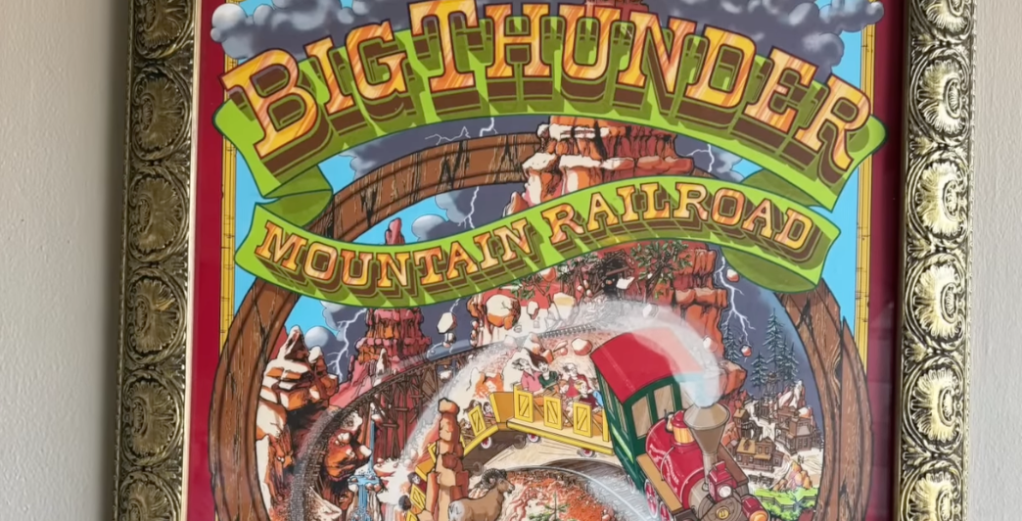
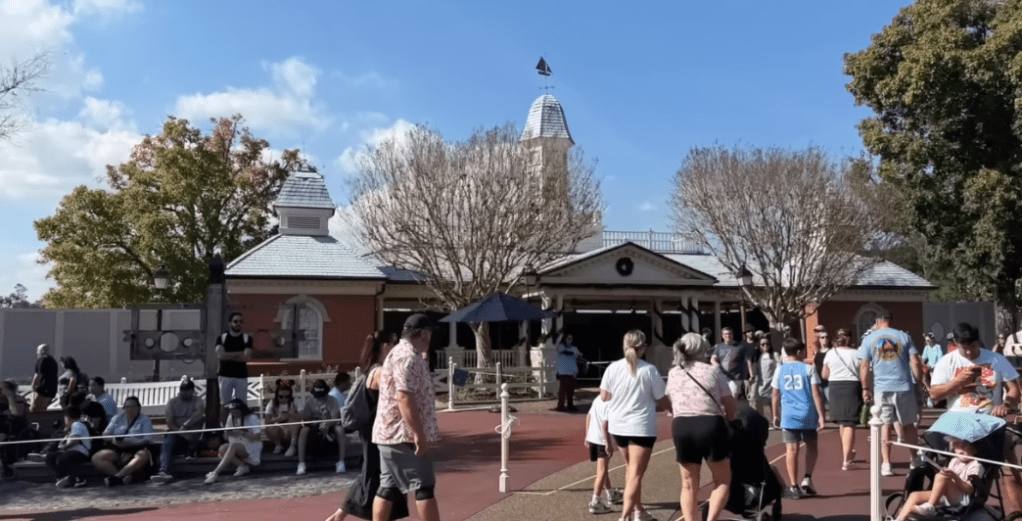
After admiring the Mary Blair mural on my way through the atrium, I made the short walk to the Magic Kingdom. The Main Street train station was festively decorated for the holidays, and I took time to appreciate the attraction posters inside. Personally, I favor the old silk screen posters for their evocative qualities over the newer digital prints, which, while functional, lack the same artistic impact.

Main Street USA and City Hall

Next, I proceeded to Main Street, USA. I recommend a visit to City Hall during your trip—the space is dark and quiet, staffed by knowledgeable cast members, and offers amenities such as a phone charging station and helpful literature. It’s a peaceful spot close to the hub, perfect for a quick break, especially if you’re with family. As a collector of Disney paper memorabilia, I always take a moment to thank the cast members for maintaining printed materials and for providing kid activity brochures, noting that many parks are transitioning to purely digital resources.

Window Displays and Liberty Square

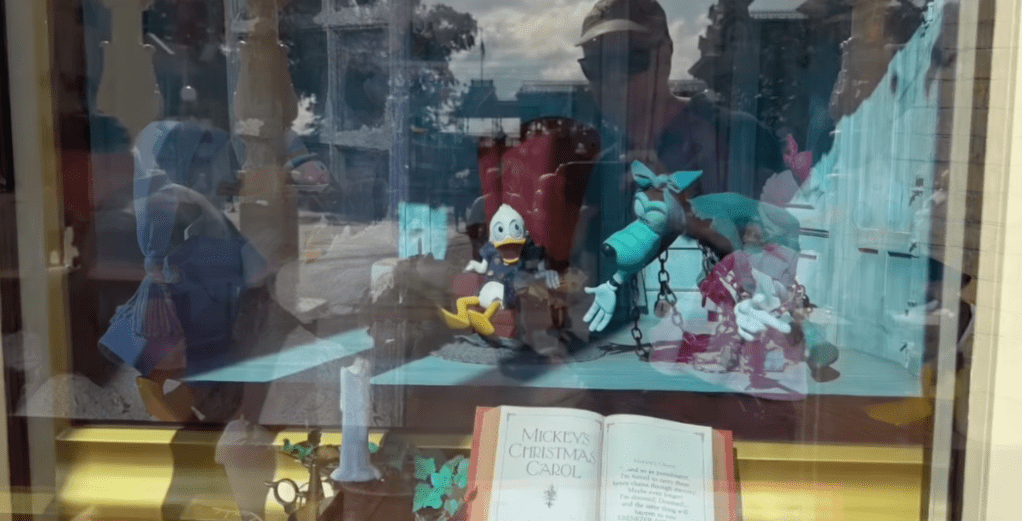
Outside, I enjoyed the ever-impressive window displays at the Emporium, though as a long-time Angelino, I still prefer Disneyland’s windows to those in Florida. Continuing to Liberty Square, I observed the windows where the Muppets have performed and noted the old steamboat loading dock, which is expected to become the future entrance to Cars Land. This new entryway will likely function similarly to the Adventureland portal in Caribbean Plaza that leads to Frontierland.

Observations on Construction and Change

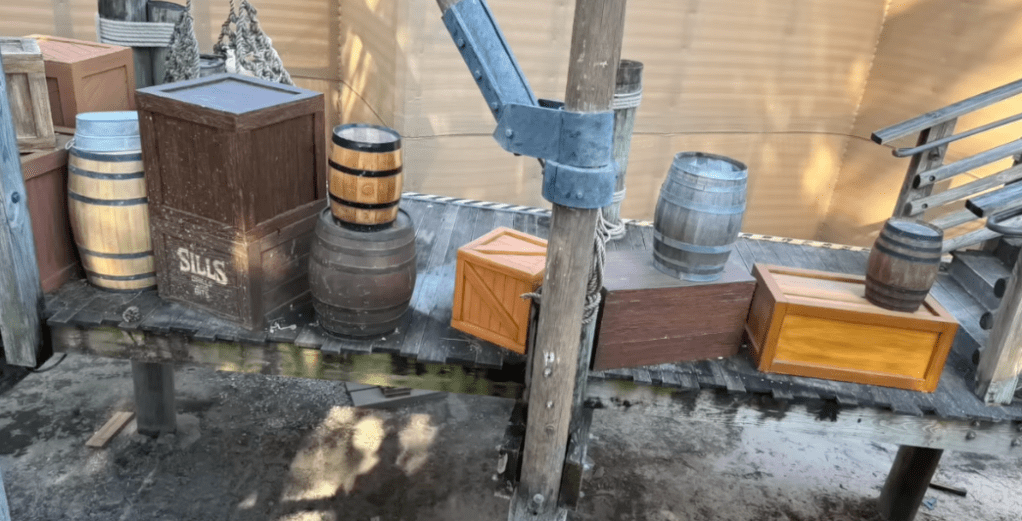
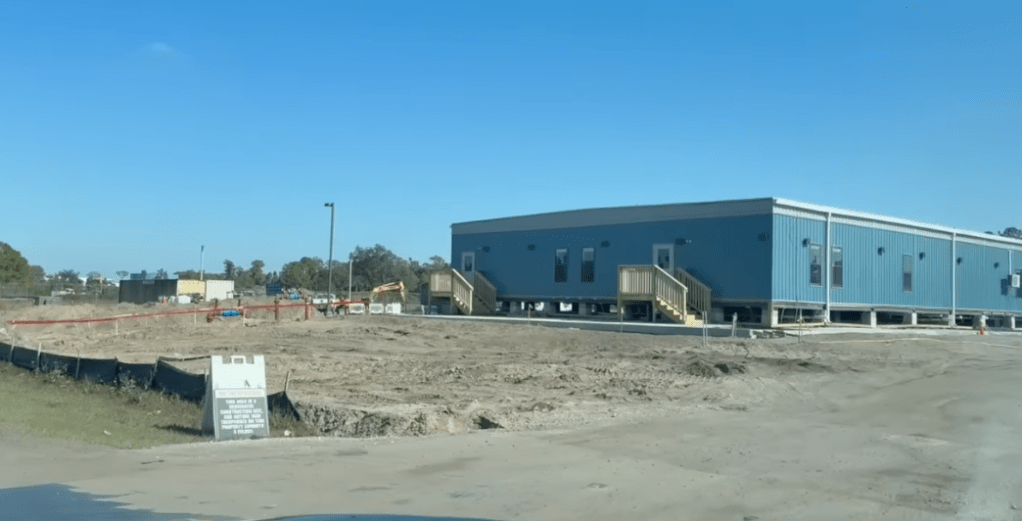
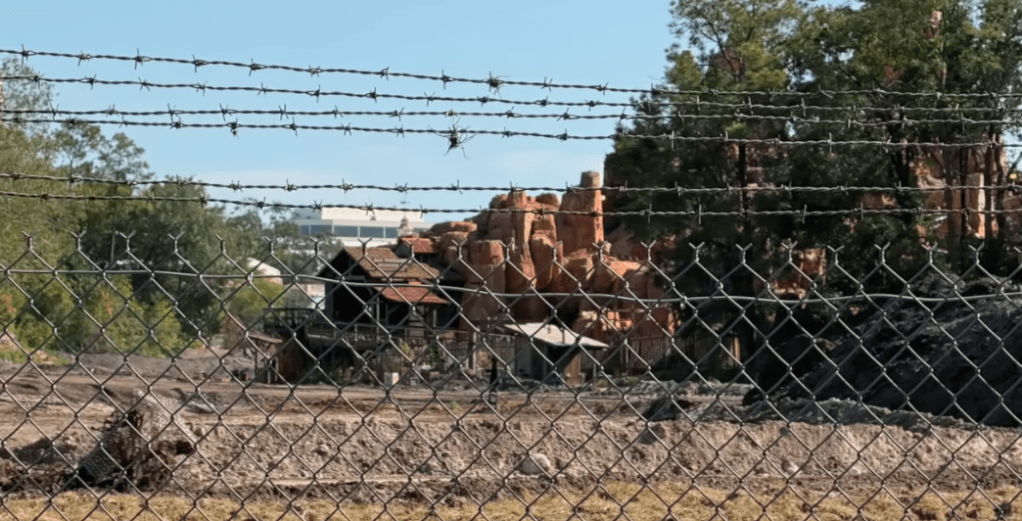
Throughout the park, construction walls are prevalent, each marked with the participant PPG’s stamp. Notable signage now warns guests about alligators and snakes. The drained river exposes the dock and, next to it, the reimagined Splash Mountain—now Bayou Adventure. The absence of water reveals raw concrete that was previously hidden, stripping away some of the old illusion. It’s unclear what will ultimately be done with this area, but it remains a work in progress.

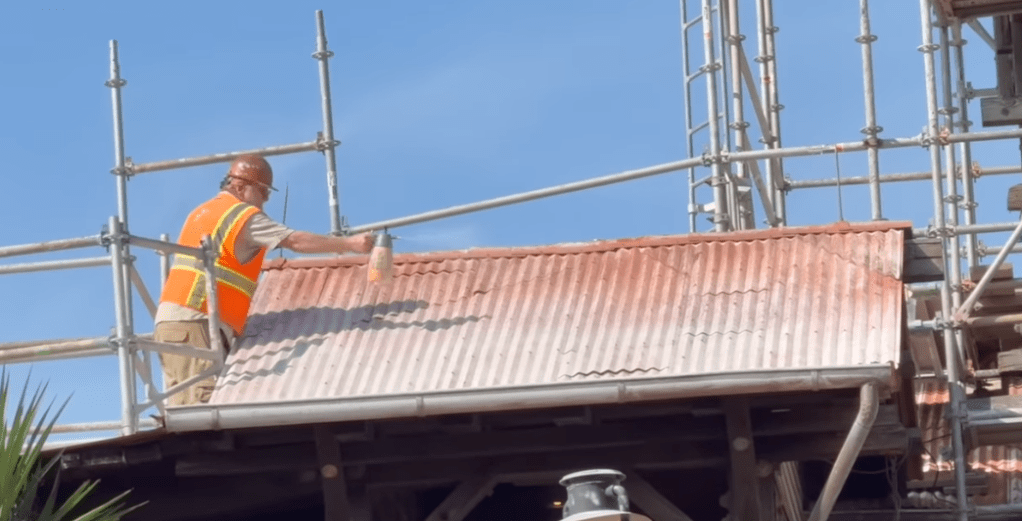
My walk was limited because access to the land near Thunder Mountain was restricted, but I did witness an Imagineer skillfully aging pristine metal roofing to make it look authentically rusted, a fascinating display of scenic artistry.

Dining Experiences in Adventureland

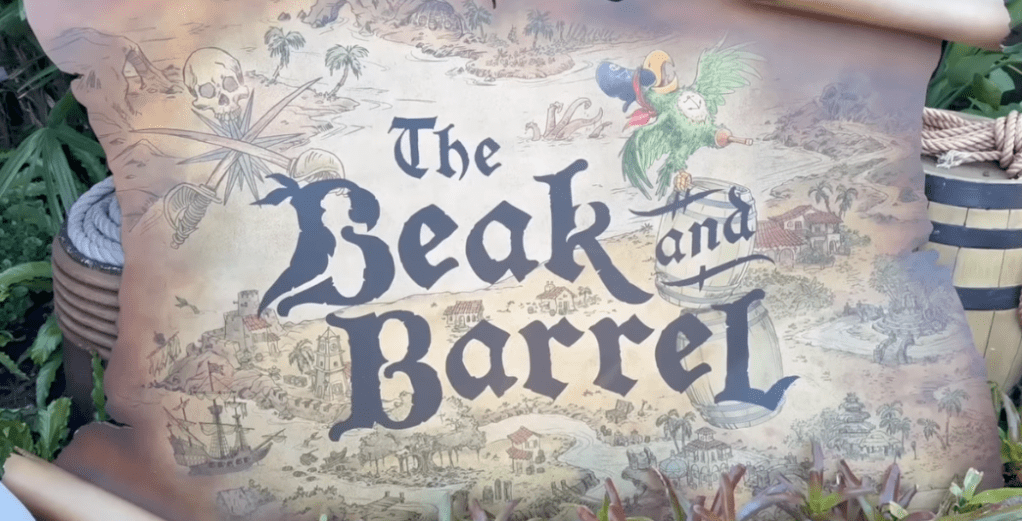
Adventureland has introduced a range of new dining options in recent years, from the Orange Bird to Club 33. The latest addition, the Beak and Barrel, requires a reservation but is well worth the effort. Inside, the atmosphere is intimate and richly detailed, with cast members in character and a varied menu. Guests are allotted 45 minutes, making for a brief but memorable experience that beautifully ties into the adjacent ride. The Imagineers have truly excelled in their storytelling through the restaurant’s design.

Transitional Spaces and Hidden Details

Just outside, the entrance from Caribbean Plaza into Frontierland illustrates how the old boat dock in Liberty Square might serve as a future portal for Cars Land. Back at the hub, I noticed an alleyway intended for a major attraction that never materialized, and the presence of a less-than-ideal fall protection wall.

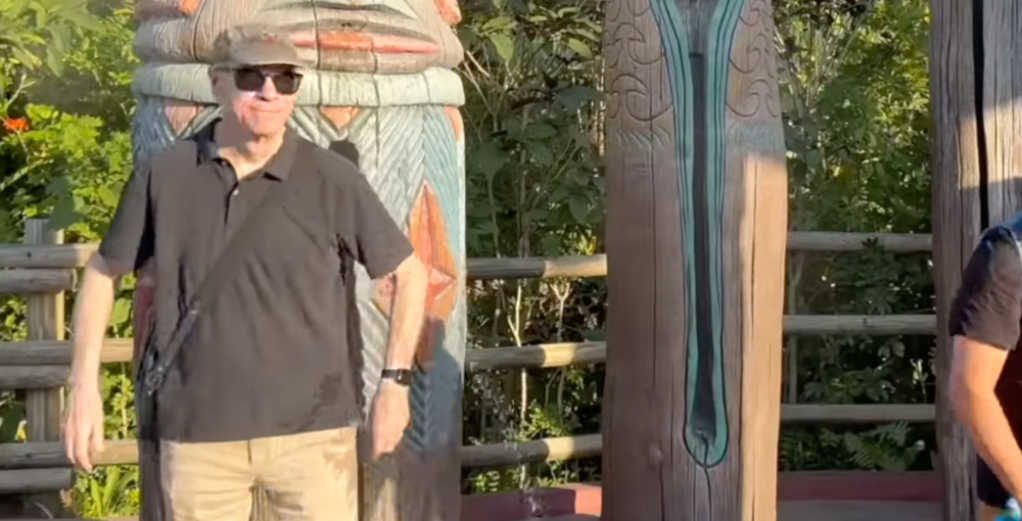
I always make a point to visit the Leaky Tikis, unique to Florida (with counterparts in Hong Kong Disneyland), and enjoy interacting with these playful features—they’re a source of lighthearted fun.

The Scope of the Transformation

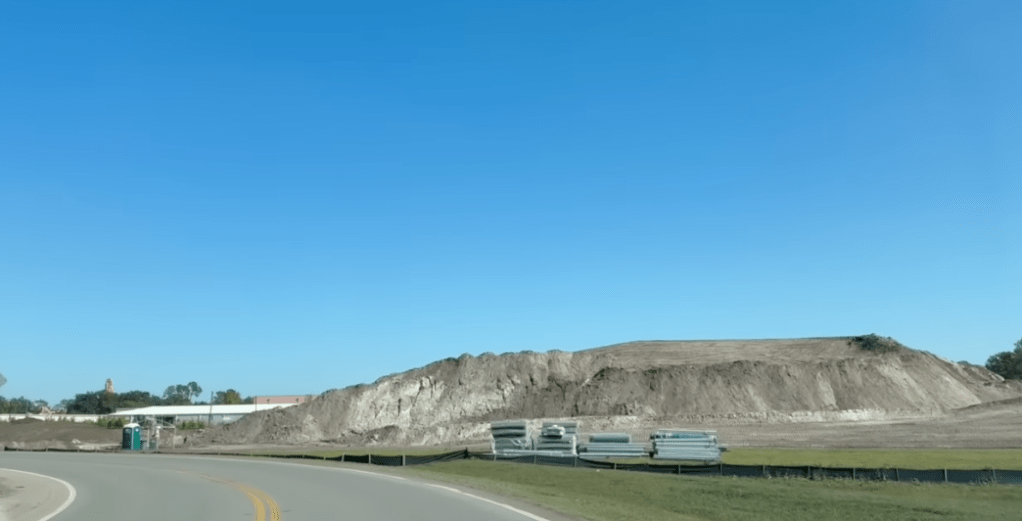
One of the most striking changes is the drained river and the removal of a significant portion of the forest. Although construction on Cars Land or Villains Land has not officially begun, site clearing is underway. This phase reveals unexpected aspects of the land and marks the beginning of a massive, complex transformation.

Driving along the public road nearby, I was reminded of how the landscape has changed over decades. Once a secluded, tree-lined country road, it now feels open and exposed, with visible signs of ongoing development. The presence of construction trailers for the teams and Imagineers hints at the longevity and scale of the project—anticipated to last five to seven years, though no official schedule has been released. The area behind the trailers is rapidly evolving, with Bayou Adventure taking shape and significant laydown areas established for contractors.

From above, the dramatic reduction in tree cover underscores the permanent impact of these changes. The view now stretches from the canal, past the railroad and Thunder Mountain, all the way to the Contemporary Hotel. It’s a landscape in flux, one that will continue to change and shape the Magic Kingdom experience for years to come.

Conclusion

With this visit to the Magic Kingdom complete, this episode draws to a close. Stay tuned for new episodes soon. In the meantime, check out the show notes, subscribe, like, share the content with friends, and consider supporting the channel as a member to help it thrive. Until next time, this is goodbye from Lost Canyon.

Disney Journey Transcript Show #87

How Early Imagineers Created the Viewliner and Why It Closed.

Disneyland is renowned as a park that seamlessly blends frontier themes with fairy tales. The transformation of this former farmland into the iconic destination it is today required the dedicated efforts of numerous Imagineers. This narrative highlights three of these influential figures. Welcome to Disney Journey. Following one hundred episodes, my introduction is likely familiar. Let us proceed with this installment.

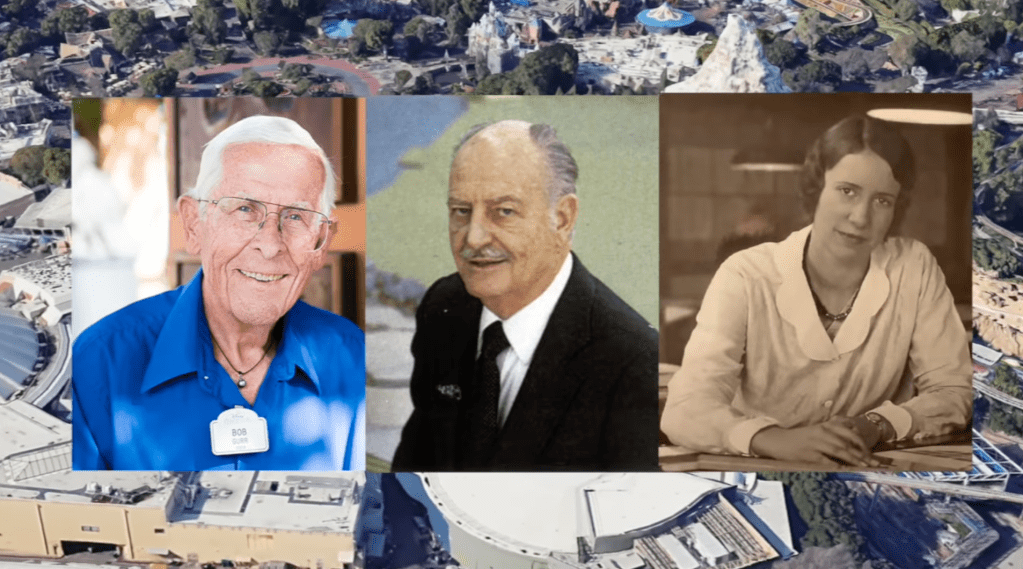
During Disneyland’s conceptualization for Anaheim, the site comprised expansive tracts of farmland; at the time, some areas—especially Tomorrowland—may have seemed destined to remain unused. Seventy years later, we know otherwise. In this episode, we revisit the early development of Tomorrowland, focusing on the classic attraction known as the Viewliner. A significant advantage of working as an Imagineer was access to the original hand-drawn design schematics, created before the digital era on trace or vellum. With experience, one could identify the artist behind unsigned works, as these renderings often transcended mere technical utility and approached true artistry—worthy of display in a museum setting.

Among these artists, Disney Legend John Hench stands out, his exceptional contributions merit recognition. When I joined, John maintained an office and conference room at 1401 Flower Street in Glendale, California, and remained approachable for consultation.Numerous articles and books discuss John Hench’s legacy, with one particularly noteworthy resource detailed in the show notes below.

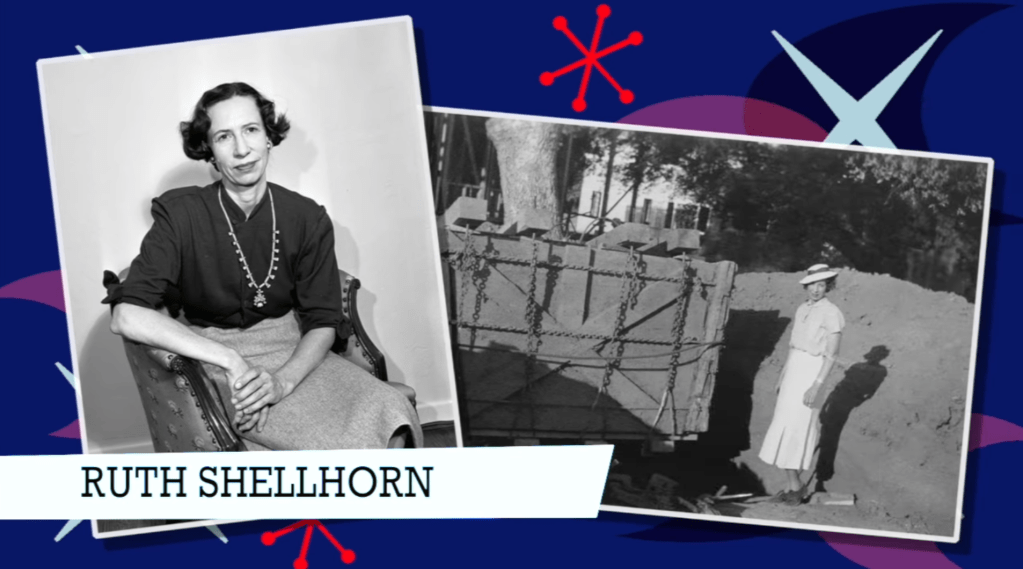
Continuing through the figurative gallery of Disney legends, we encounter Ruth Shellhorn, a landscape architect whose pivotal role in the latter stages of Disneyland’s development is sometimes underappreciated. Without Ruth’s expertise in drafting, her coordination with Walt Disney, and her ability to implement plan modifications efficiently, the park’s timely opening would have been improbable. For further reading, the University of Georgia Press offers an extensive account of Ruth’s career, including her work at Disney. Walt Disney famously articulated that Disneyland would continue to grow—a statement reflected in the substantial undeveloped land present in 1955. There was no shortage of ideas for future attractions, and soon after opening, operational needs dictated rapid expansion.

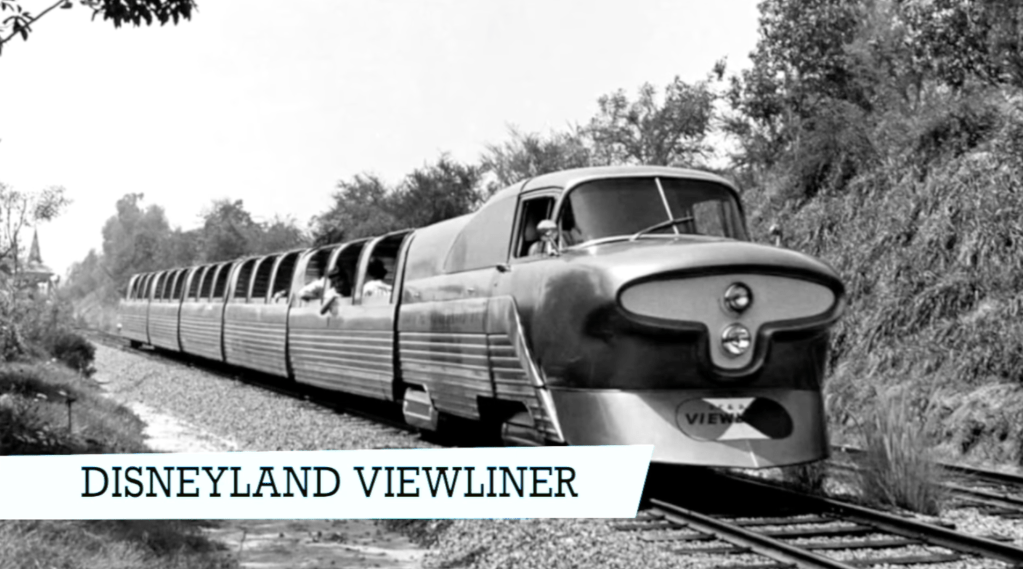
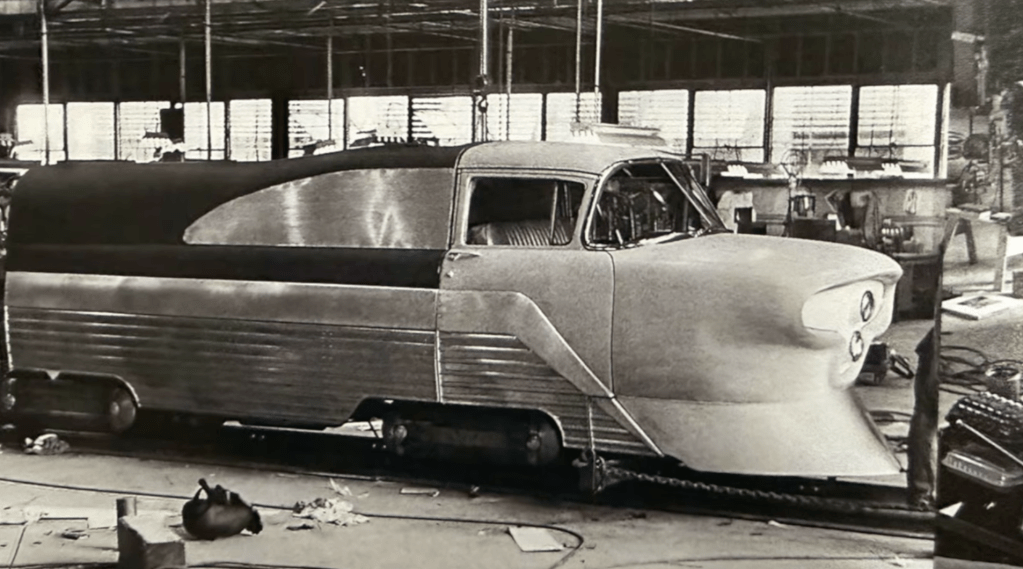
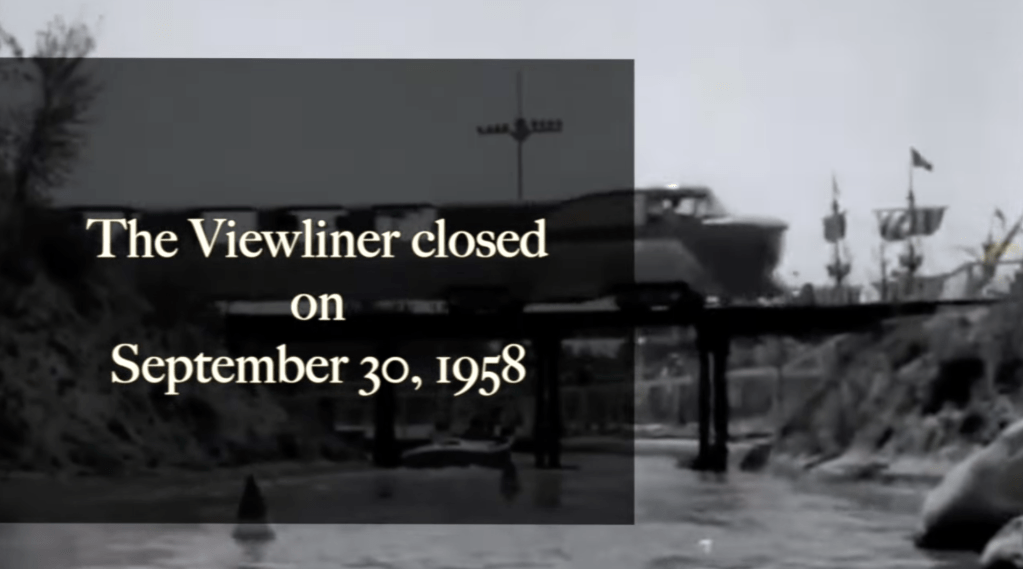
A particular tract in Tomorrowland was identified as ideal for a new ride. Recognizing Walt’s enthusiasm for trains and the popularity of children’s train rides, alongside inspiration from the streamlined GM Aerotrain, Imagineers began designing what became the Viewliner. My own recollections of the Disneyland Viewliner are vivid; as a child, I found the experience exhilarating. Although modest by modern standards, its significance as an early Tomorrowland attraction endures.

Much credit is owed to Bob Gurr for his versatile engineering work on such projects. Documentation of these endeavors can be found in various resources.Despite its humble beginnings, the Viewliner benefited substantially from Disney’s attention to detail. Distinctive design choices—including visually appealing cabs, strategic placement of bridges and causeways, and the juxtaposition of traditional steam trains with futuristic aesthetics—set the attraction apart. Its interior, while compact due to its origins as a children’s train, conveyed a sense of innovation.The Viewliner featured two stations, located in Fantasyland and Tomorrowland, offering guests a unique journey. However, its operation was short-lived. As guest attendance grew and land became increasingly valuable, early Tomorrowland attractions were frequently repurposed or dismantled.

By the 1967 reopening of Tomorrowland, several original attractions, including the Viewliner, had made way for new developments. This pattern continues: limited space requires that every addition supersede an existing feature, exemplified by the construction of Galaxy’s Edge. Looking ahead, the only certainty is change—particularly given Tomorrowland’s focus on science and technology. While Tomorrowland has faced challenges, its successful moments have provided memorable experiences, such as observing technological showcases or witnessing rocket launches. Notably, good ideas are rarely lost within Disneyland; rather, they may be relocated or reimagined in different contexts.

For example, within Mickey’s Toontown, one can still find references to the Viewliner in unexpected places, such as signage above retail spaces. Tomorrowland’s history is characterized by continual transformation, with attractions evolving or yielding to new initiatives.

The contributions of Bob Gurr, John Hench, and Ruth Shellhorn were instrumental in its realization. The future trajectory of this notable Anaheim location remains unpredictable.

As this exploration of the Viewliner concludes, I extend appreciation to all channel subscribers—their continued support is invaluable. For additional information regarding this episode, refer to the show notes. Until the next installment, thank you and farewell from Lost Canyon.

State of the Art

This post is a little bit of a rant. If you don’t like to read rants, then stop here unless you like a rant about technology. To begin with the issue I’m having I know is my fault, my responsibility. The company that makes the devise I’m having an issue with has designed and built a devise that does what’s promised.

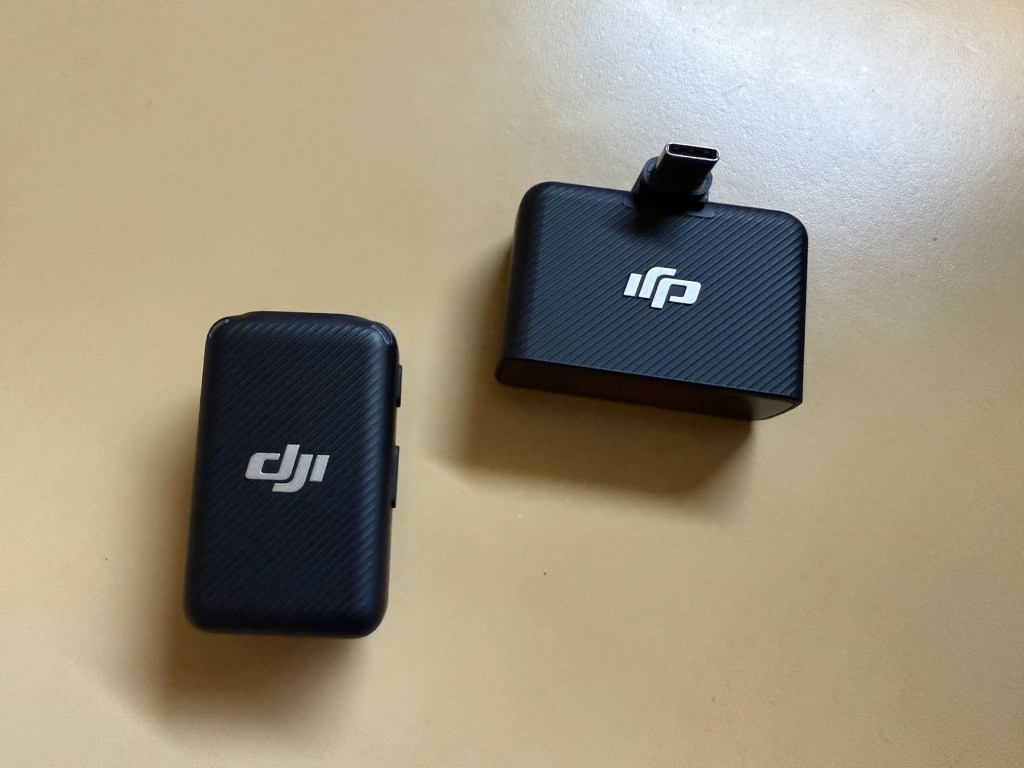
DJI Mic (1 TX & 1 RX) Wireless Lavalier Microphone

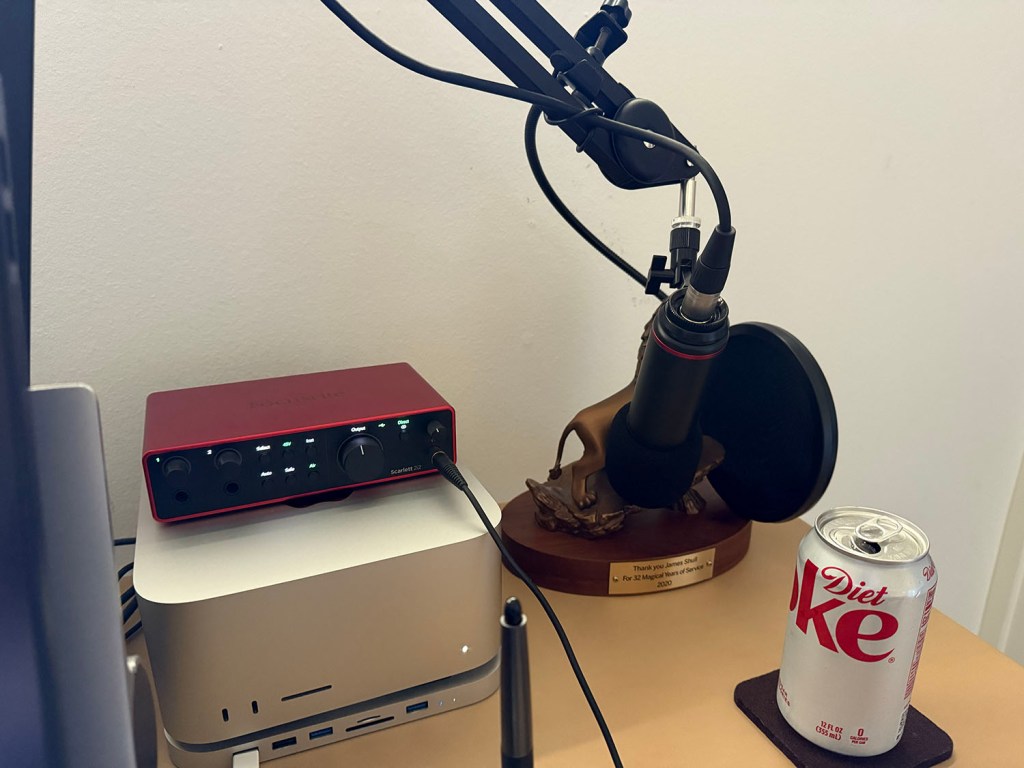
My problem is that I use this mic to record the portions of the Disney Journey with Jim Shull videos. I use a Scarlett 2i2 4h generation mic combined with a Focusrite box to record the voice over portions of my videos, and the issue is the sound quality ‘jumps’ between the two recorded sources.

The system and my drink of choice.

Thankfully the people who watch Disney Journey have called me to task and as a result I spent ‘quality time’ manually adjusting the on screen audio and the voice over audio. Hopefully this should help but this is where my rant starts. All the recorded audio sounds good before I release the episodes. However when I watch the released videos on a television on YouTube that is when I hear the my booming voice on screen combined with the pleasant soothing voice in the voce overs.

Screenshot

The solution to my audio woes?

In the spirit of spending to make Disney Journey better I’ve ordered this. The DJI Mic 3 (2 TX + 1 RX + Charging Case) hoping that a newer bit of technology kit will fix (or at least make) the audio issue better. Aside from the technology purchased I wished companies would share simple video instructions on the level of ‘How to Make Toast”. First buy bread, then put bread in toaster, plug in the toaster and push the lever down. That level of instructions. I don’t need chip generation, or other gobbledygook when I only want to make toast.

State of the Art circa early 1990s

Finally I have walked this road before and may again. When working away in my office at Disney Imagineering in the early 1990s a box was delivered that contained the Mac computers that were distributed to Imagineers in WDI Creative. BTW the photo is a later generation of Mac not that it matters. The person who delivered my shiny new computer smiled and wished me luck because I had entered a new world of technology much as I have now.

Wish me luck.

Theory of First Costs

Buildings cost money and buildings that appear to be a part of a themed environment cost even more money.  The jobs of Project Managers rest on the foundation that they deliver projects on time and on budget, so PMs are inspired to find ways to reduce costs wherever possible.  If they go over budget or a project opens late, they may not manage another project.

Not everything is in the control of a Project Manager such as when a natural disaster increases the cost of building materials due to demand, or when a ride system fails to preform and has to be rebuilt.  These are uncommon, but when the project mandate is building a mountain, then a mountain they shall build. That is the goal for the project.

Splash Mountain is an example of a building that appears to be a mountain.

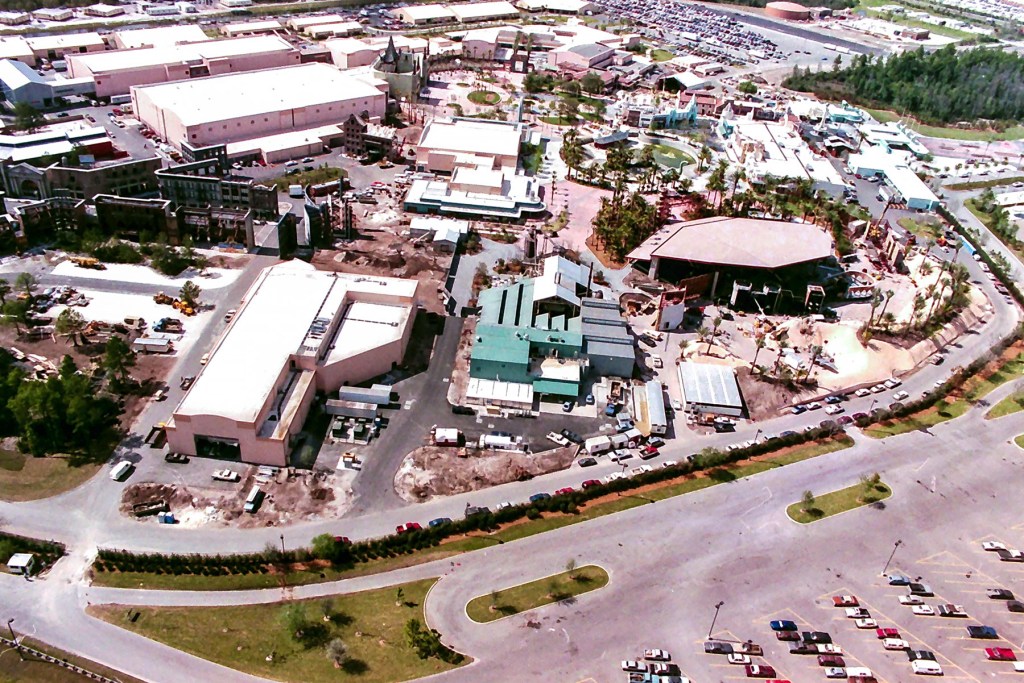
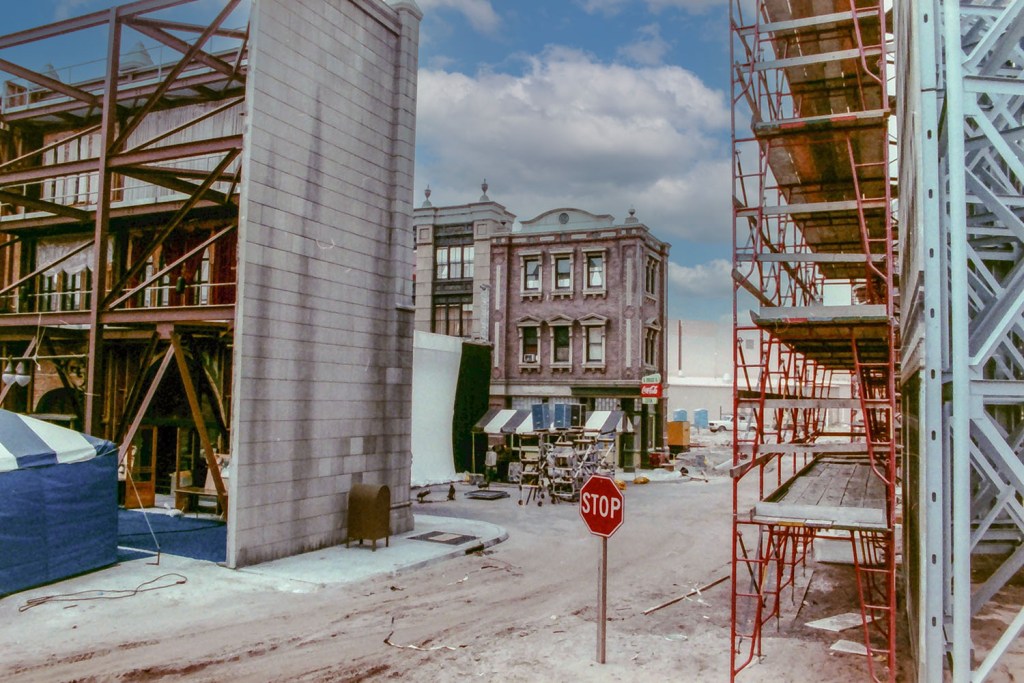
But there was a popular trend starting in the late 1980s that resulted in not building mountains but building movie studio soundstages and back lot set walls.  The Disney MGM Studios at Walt Disney World was the Disney Park that led the way because a simple box instead of an immersive environment could be built which was acceptable because simple construction meant the story conceit.  If guests were asked what they were seeing the answer was ‘it’s a soundstage’, and soundstage are simple boxes and boxes are cheap and fast to build.  The finished project achieves its objectives and general happiness results.

Backlot street at the Disney MGM Studios Walt Disney World.

But the ‘first cost’ often isn’t the ‘final cost’.  

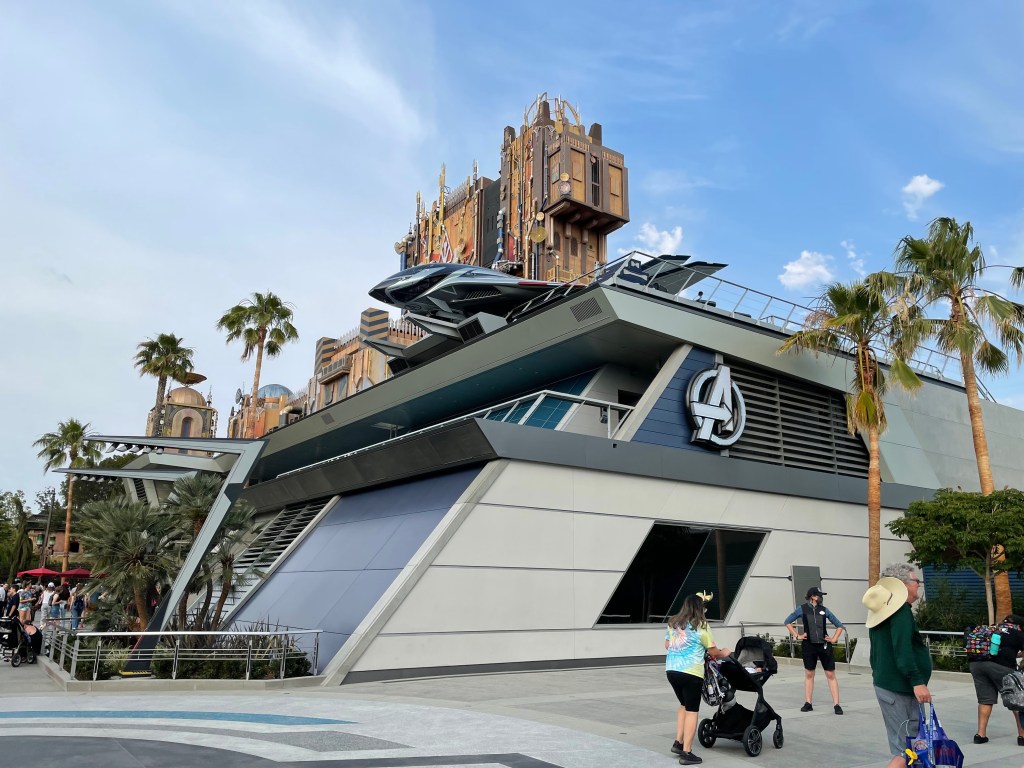
Due to the fact that the simple box is limited, inflexible, and expensive there are costs for changes and modifications driven by future projects.  This is what we are seeing now in Anaheim with the expansion of ‘Avengers Campus’ at Disney California Adventure.  The simple wall with the mounted Avengers Quinn jet and the opening was built to accommodate the Red Car ride.  But to build the expansion of Avengers Campus, the Red Car maintenance barn has been demolished.  What was built originally was ‘just enough’ with no solid plans for future modifications and revisions. Should the existing retail shop become part of a new project there could costs, and the costs fall to the next Project Team.

Looks like a building but its not (Avengers Campus DCA).

The rule of first vs second costs is applied to entire Disney Parks.  For example, when Hong Kong Disneyland and Walt Disney Studios Park opened, both were half day parks.  Over the years new rides were built and lands added at a cost greater than if they had been built originally.

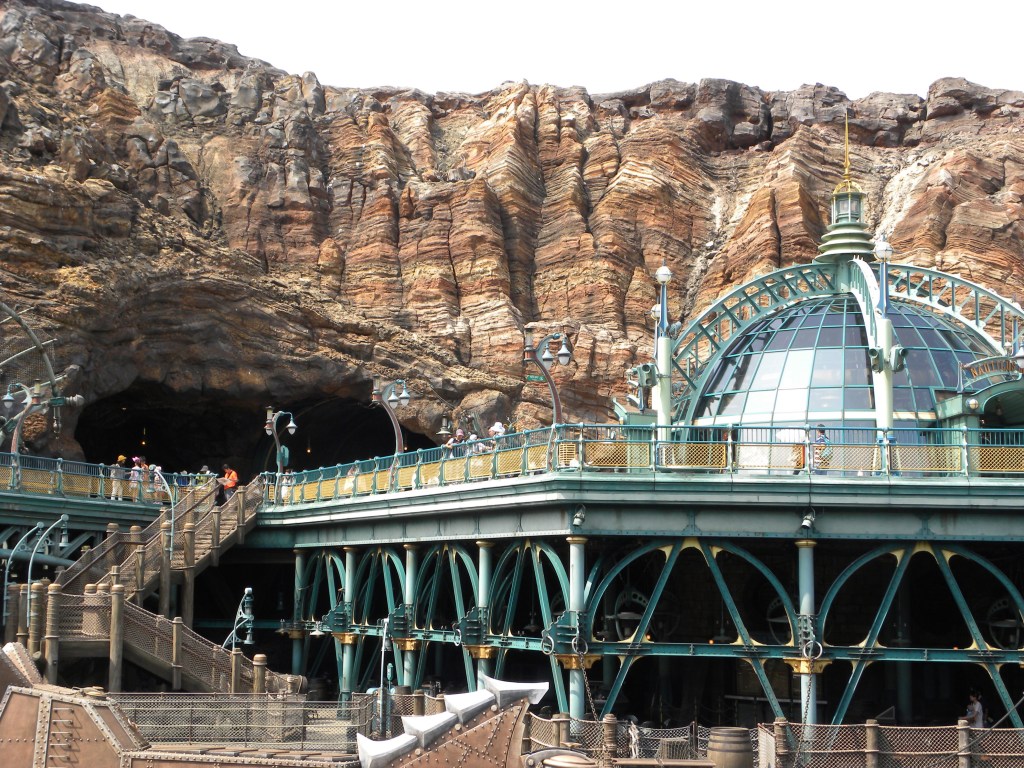
20K ride at Tokyo Disney Sea.

In fairness sometimes there are second costs incurred due to guests opinions and dissatisfaction, such as when the 20k ride at Tokyo Disney Sea was redesigned with a new show.  So, the ‘bean counters’ aren’t always at fault.  Sometimes but not always.  It’s an artful skill to balance the risks and needs of projects to succeed not fail, deliver on time and not late, and stay on budget while not going broke.  Writing as someone who has been in the war trenches, I confirm it is not an easy or simple task.

“Walt Disney, A Magical Life” Thoughts

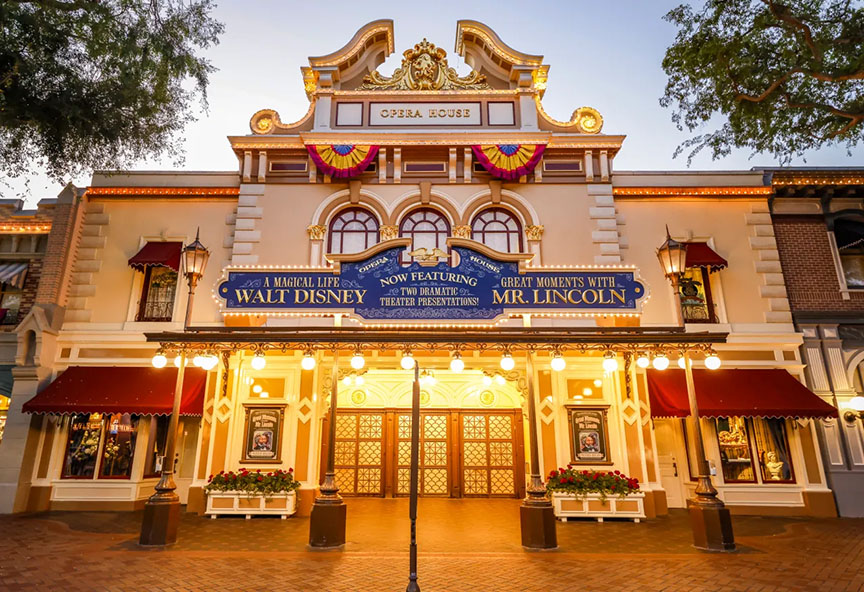
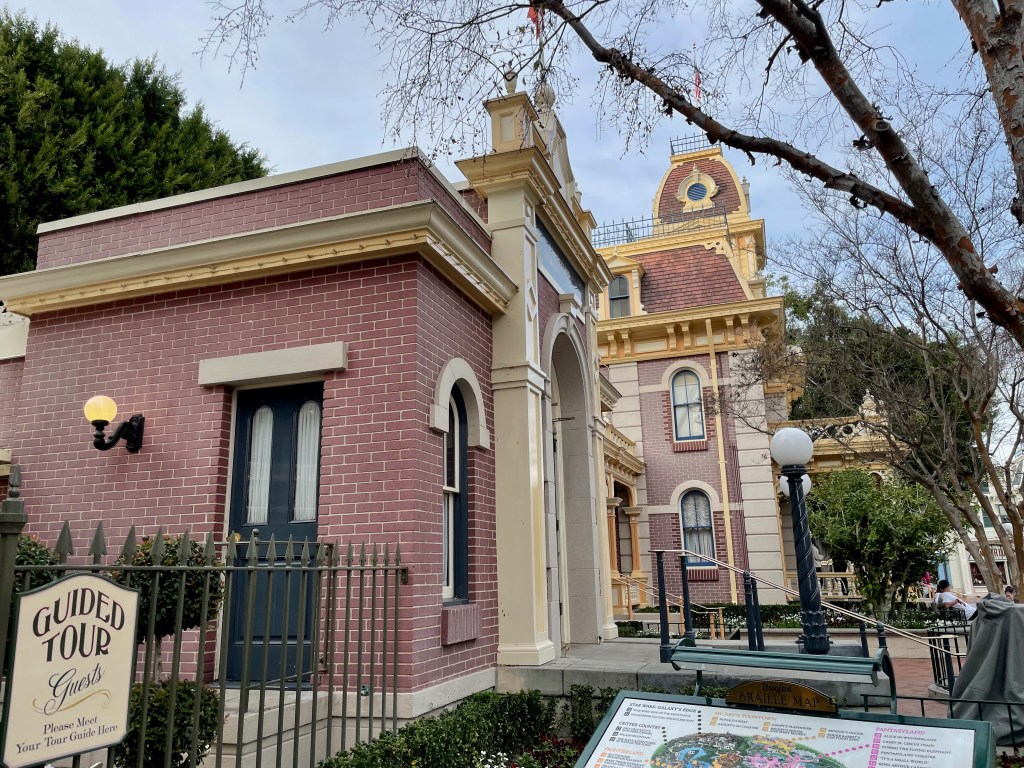
Disneyland is the first Disney Park and the only one that Walt Disney lived to visit, and even sleep in.  I’ve visited his tiny apartment located above the Fire Station with its even tinier bathroom and its really tiny shower.  It looked like any shower plan involved walking into and then backing out of the compartment.   Walt’s apartment is located across Town Square, and the main windows look out toward the Opera House where the new show honoring Walt has opened.  “Walt Disney, A Magical Life” celebrates both the man and his work and it is timely because there is generation who is not all that familiar with the man or his work.

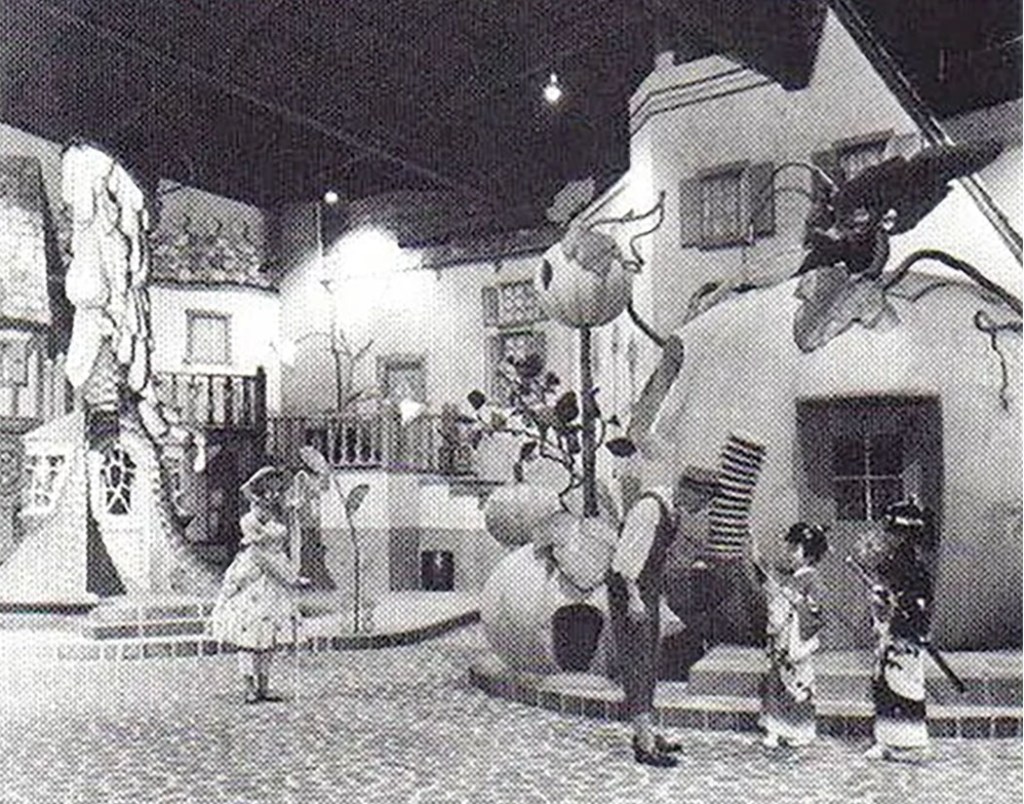
The Disneyland Opera House has had several different lives.  Built as a lumber mill and carpentry shop, it then showcased sets from the Disney film “Babes in Toyland”.  Next came the Lincoln show that premiered at the 1964 World’s Fair which went through changes and revisions over decades.  The changes occurred while the Disneyland telephone switchboard team worked on the floor above the man from Illinois.

Babes in Toyland movie sets in the Opera House on Main Street Disneyland

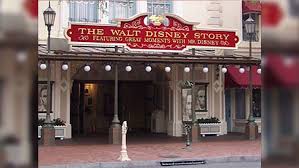
President Lincoln was nearly replaced by the Muppets and was replaced for a time for the film “The Walt Disney Story”, which didn’t last long in the Opera House.

The Walt Disney Story on Main Street.

I have experience creating a show celebrating Mr. Disney because I was the Creative Lead for “One Man’s Dream”, which was part of the ‘100 Years of Magic” celebration at Walt Disney World.  During the design and production, I discovered that delivering a show about Walt Disney is harder than it might appear.  Everyone has their memory of Walt and people soon started picking at the show presented.  

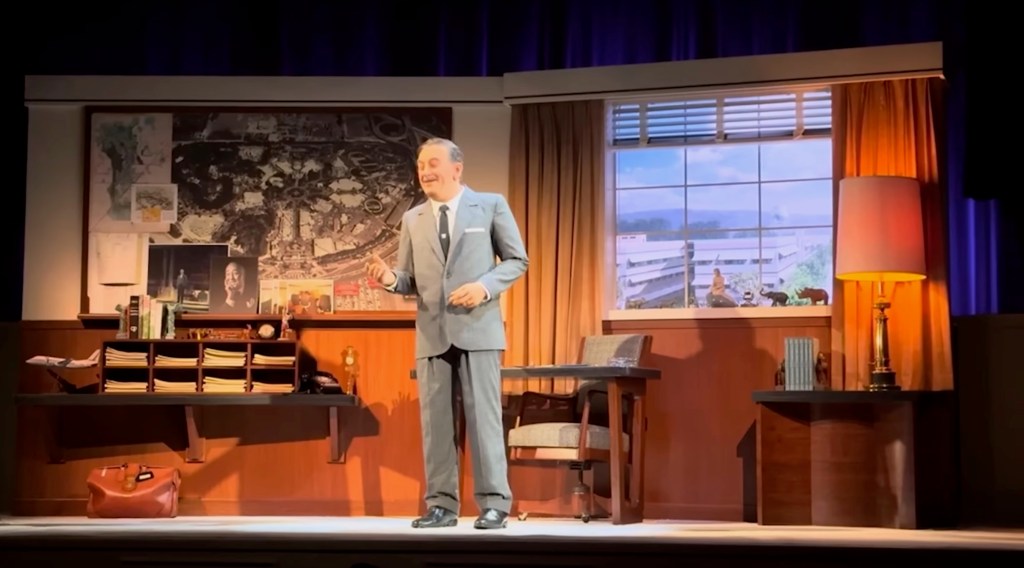
The new show in Disneyland employes advanced figure animation, projection technology and important exhibits, but as with the earlier shows about Walt people have found fault.  “The sound is odd, the face is too fat, and the mustache is too thick” are among the comments.  

The guests making the comments are both correct and wrong in their opinions, and the company Walt and his brother founded will need to accept that this show is an example of the old adage that you can’t please everyone.  Sometimes you can’t please anyone, but congratulations are due to the team at Imagineering for trying.

Brand Withdrawal

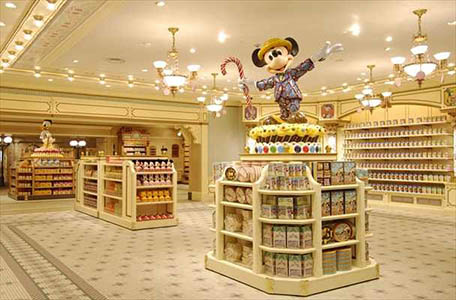
Guests leaving Tokyo Disneyland often stop in the Grand Emporium which is a shop devoted to selling candy and sweets. I’ve visited the Emporium before leaving TDL several times to purchase gifts for others as well as a treat or two for myself.

The store interior is cheerful and time period appropriate with lighting fixtures, murals and set pieces that reenforce to guests that they are in a Disney quantity experience.

Mickey holding a candy cane underlines that this isn’t only a shopping experience but a show experience. Candy shopping was never so much fun. This is the expected show standard in a Disney Park and it is achieved in the Grand Emporium at TDL.

Image Credit: WDWMagic

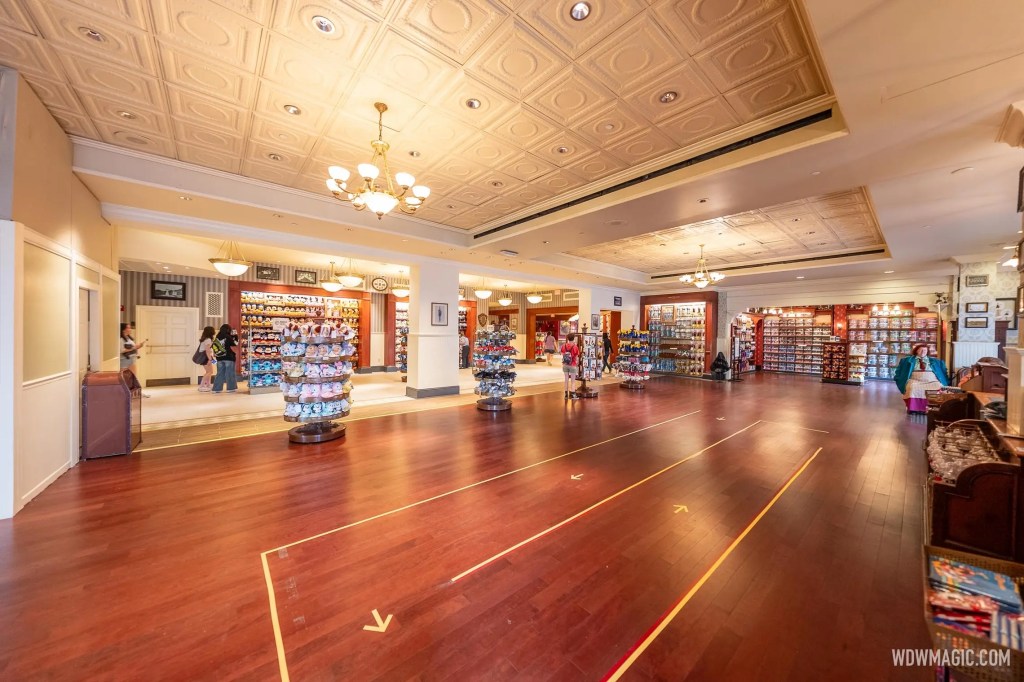
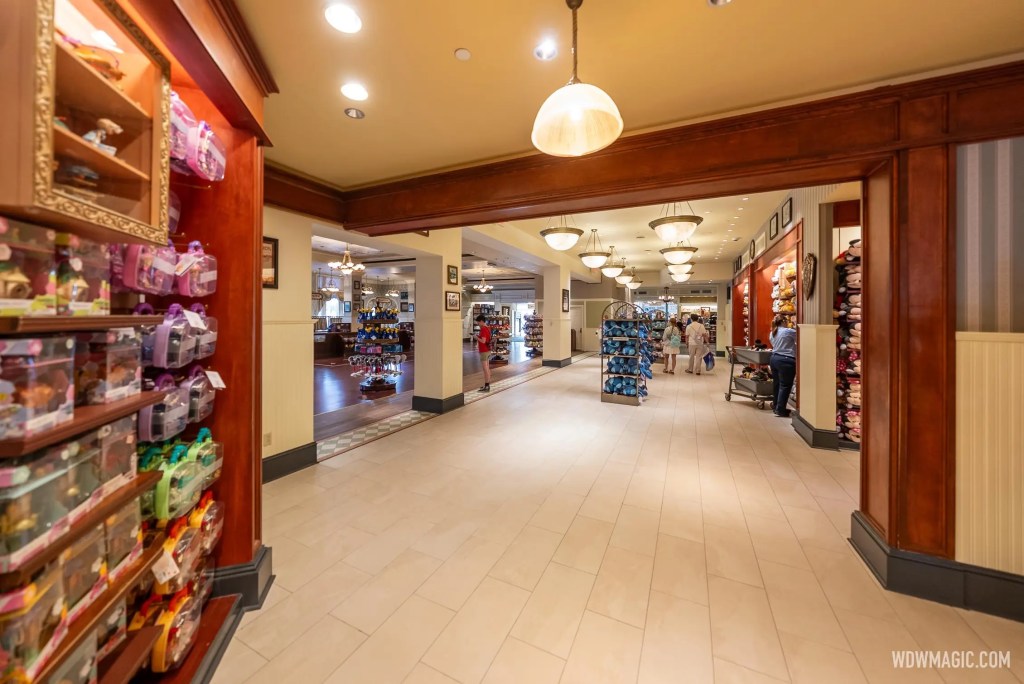
But that’s not the standard of excellence that been held too in the remodeled Emporium on Main Street in the Magic Kingdom. Instead of period appropriate lighting fixtures standard lights hang from the ceiling. Rather than custom display racks there is a wall of peg board.

Once the Disney rule was the area above the merchandise was reserved for show, but that rule was broken in the remodel. A few framed pictures are near the ceiling, but beyond that there is nothing to suggest this is a shop, or that the purpose of this retail is anything other than to sell merchandise in as efficient and quick manner as possible.

Standard out of time period tile with a carpet strip documents that the design occupied a low rung for this project. Judging on retail results it could be called a success, but at what cost. When Disney Parks are defined by environments that are standard and common the result is a brand withdrawal.

Bond, James Bond

Among the talk of the importance of intellectual property the term is tossed around too often and applied to creations where it doesn’t belong. Naming something a property makes the assumption that the property is valuable, which isn’t the case.

The third Star Wars trilogy Disney considered a valuable property and built not one but two lands in based on the stories in that film. A billion dollars were spent on each of the two lands, and while I consider the land in Florida the more successful of the two (because Disney’s Hollywood Studios was in need of a anchor), the lands were not what could be called a ‘home run’. The stories told just were not valuable to the paying customers. The guests wanted to visit a land filled with characters and stories they knew which they valued, and responded in the negative when they were not served what they wanted.

Calling something an intellectual property doesn’t make it a valuable property. Few valuable properties exist or are valuable, and some have been not available. Until today when it was announced that creative control of James Bond has been transferred to Amazon Studios. What the studio makes of James Bond we must wait and see, but what is important is that the James Bond valuable intellectual property theme park rights are available.

Likely the rights will fall to one of the usual suspects such as Universal or Disney, but what is all but certain is that one of those two companies will secure the rights to create experiences in their theme parks and resorts.

We and they have been shaken and not stirred.

Election Day 2016

During my career as a Creative Director at Walt Disney Imagineering I lived in different countries during the course of a project to provide support and creative leadership.  So that’s the reason why and how I found myself living in Shanghai China on the day the Federal Presidential election was held.

The project office was named the “Toy Box” which was fitting because the project teams for Toy Story Hotel and Toy Story Land occupied the two floors of the building.  I shared my office with my associate who spoke perfect Chinese which only made sense because Zoe was Chinese by birth.  In our office decisions were made and meetings held on issues regarding both projects and we made every effort to deal with the unforeseen.  

What no one foresaw was the result of the Presidential election eight years ago.  Sitting at my desk I had my iPhone tuned to CBS news steaming for the results that all of the team in Toy Box assumed would quickly be over, but as it turned out things turned out differently.  Within a short time, the Ride Engineering group produced a bottle of Baijiu.

Baijiu is a clear grain alcohol that resembles (in color) other East Asian liquors like South Korea’s soju. The main difference between baijiu and these liquors is the former’s strength — a typical baijiu might exceed 110 proof (55 percent alcohol content).  This drink is not to be taken lightly but times were desperate.  Since I had drawings to mark, I sat at my desk and focused on my work which proved to be the distraction that I required.

Once I turned and watched the parade floats roll by and thought how quickly things change and how unexpected the changes can be.  That day was an election that I will never forget but I can’t say the same about others.

Predications for the New Year

Disney’s Hollywood Studios

In the spirit of the New Year, I’m here to offer predictions for 2024.  Note that as my crystal ball is out for repair that I’m turning to my slightly dusty Magic 8 Ball for my predictions.  Before I begin note that all predications are idle speculation which are based on the foundation that they could happen, not that they will happen.  

Marquee of Monsters, Inc ride at Tokyo Disneyland

The first predication for 2024 involves the replacement of the former Art of Disney Animation/Star Wars Launch Bay with a version of the Monsters Hide and Go Seek ride.  This ride is one of a kind and is located in Tokyo Disneyland’s Tomorrowland, which is an odd location, but land is limited in that park.  The ride is one where guests ride through the attraction while aiming what appear to be flashlights as they look for the child ‘Boo’.

The queue for Ride and Go Seek at Tokyo Disneyland.

Ride and Go Seek is a family friendly ride based on the characters from the Monsters Inc film series.

The reason why Magic 8 Ball makes the prediction is because the Disney Hollywood Studios needs more rides, it’s been announced that the Little Mermaid show is staying, the project cost is fixed (more or less) and the Monsters Ride and Go Seek would fit on the available site.

Site at Disney’s Hollywood Studios where Monsters Inc. could go.

The point is that sometimes rides, shows and attractions happen because of a set of small reasons, and not because of some grand vision.  

The same site with the addition of Monsters Inc. Ride and Go Seek.

Ride and Go Seek would fit the definition of a Disney ‘D’ ticket and activate an area in Disney’s Hollywood Studios that currently lacks content.  We shall see if the Magic 8 Ball is correct.

The Monsters Inc. ride vehicle in the station.