Riding in a ‘Really Fast Car’. Stories from the Disney Imagineer who designed Rock n’ Roller Coaster

Art credit: Jim Shull 2026

As an Imagineer, I am frequently asked about my preferred ride, show, or themed land. My response has consistently been Rock and Roller Coaster. Upon learning of its upcoming closure, I boarded a plane and traveled to the event to meet with several team members to reflect on our shared history and exchange memories.
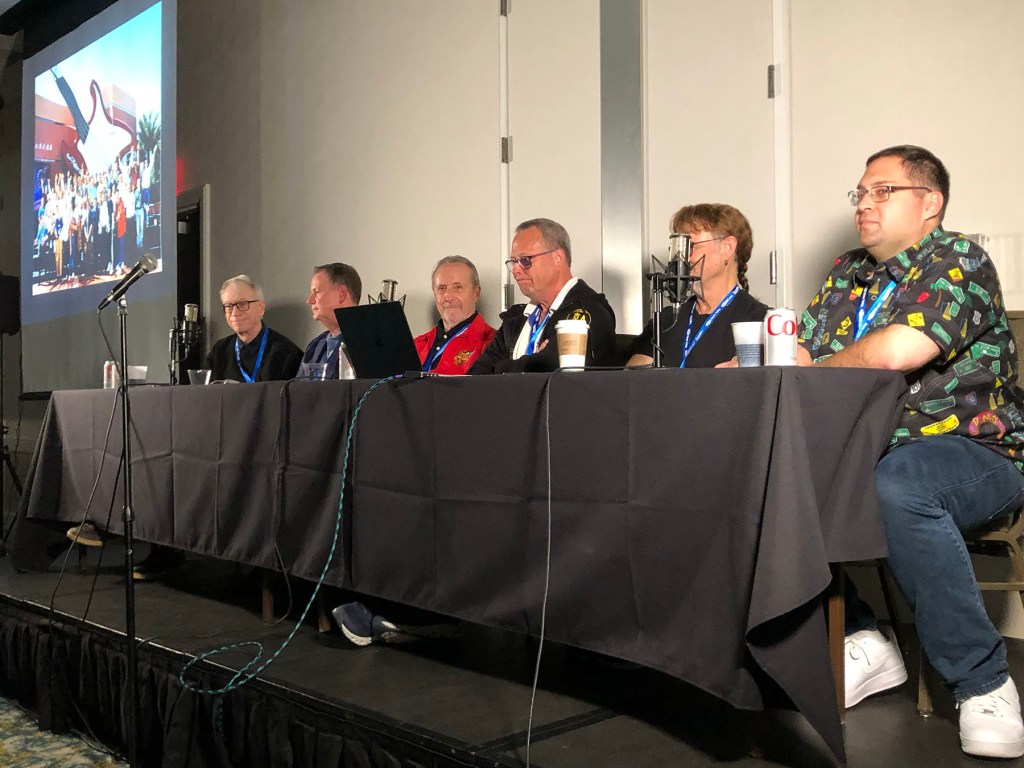
Rock n’ Roller Coaster team members February 28, 2026

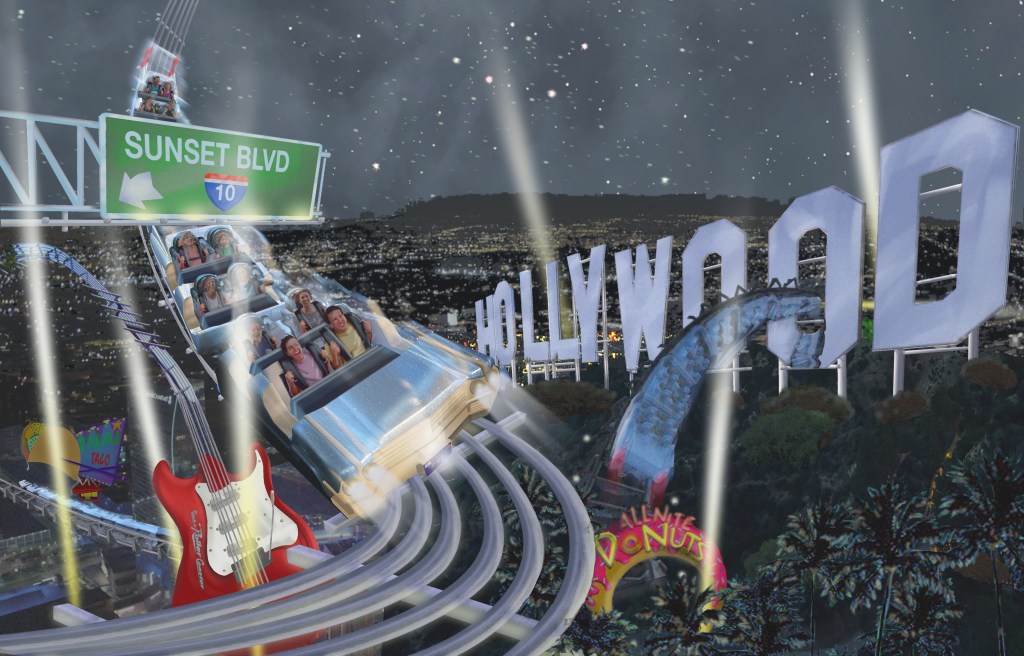
As with all good stories this one starts in an expected place.  Whether one enters Disneyland or Magic Kingdom, the guest experience is rooted in narratives inspired by fantasy—sometimes whimsical, sometimes elevated—but always imaginative. Other Disney parks similarly embrace this tradition. Notably, Disney MGM Studios (now Disney’s Hollywood Studios) exemplifies this approach through Rock and Roller Coaster, featuring Aerosmith. In the idealized recording ‘Studio C’, guests encounter the band preparing for a concert, and through the immersive storyline, they are cast as VIP fans invited to a special event by limousine, encapsulating the essence of fantasy.
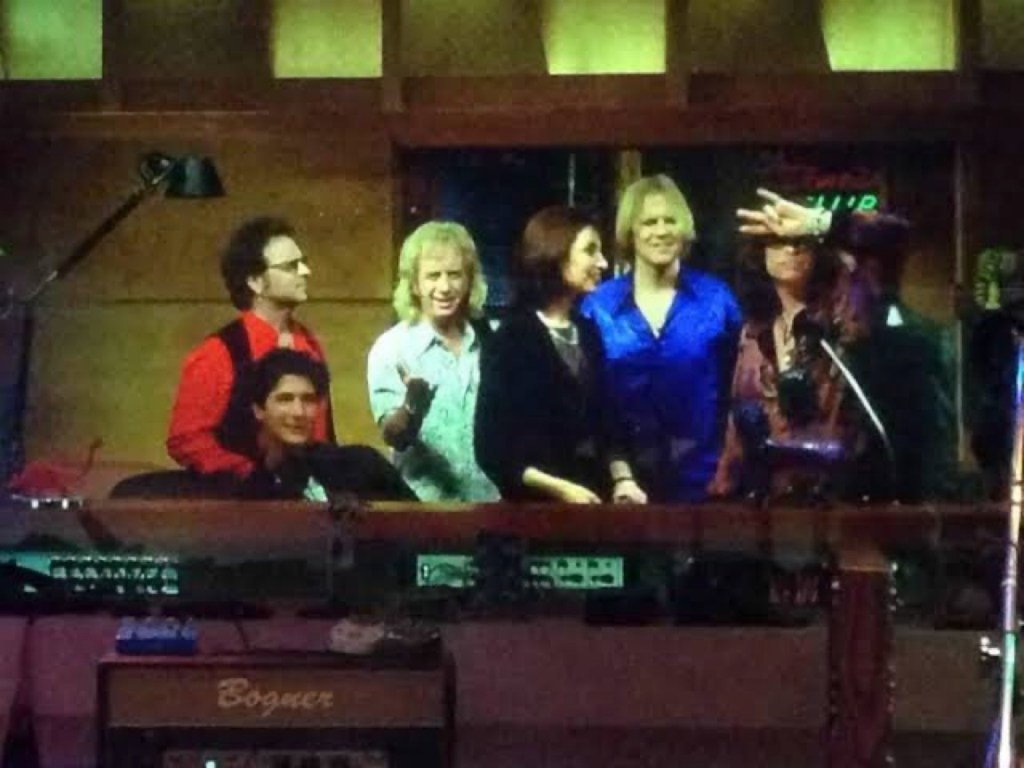
Studio ‘C’ video filmed using the Showscan system

The origins of Rock and Roller Coaster can be traced to signage in the Disney MGM Studios parking lot, which included a “Music” section despite the park opening with an absence of music-themed attractions.  Entertainment yes, but not attractions or rides.  Having identified this gap, musical innovation was prioritized, particularly as the park sought to transition from primarily educational offerings—such as insights into movie and television production—to more dynamic rides. 
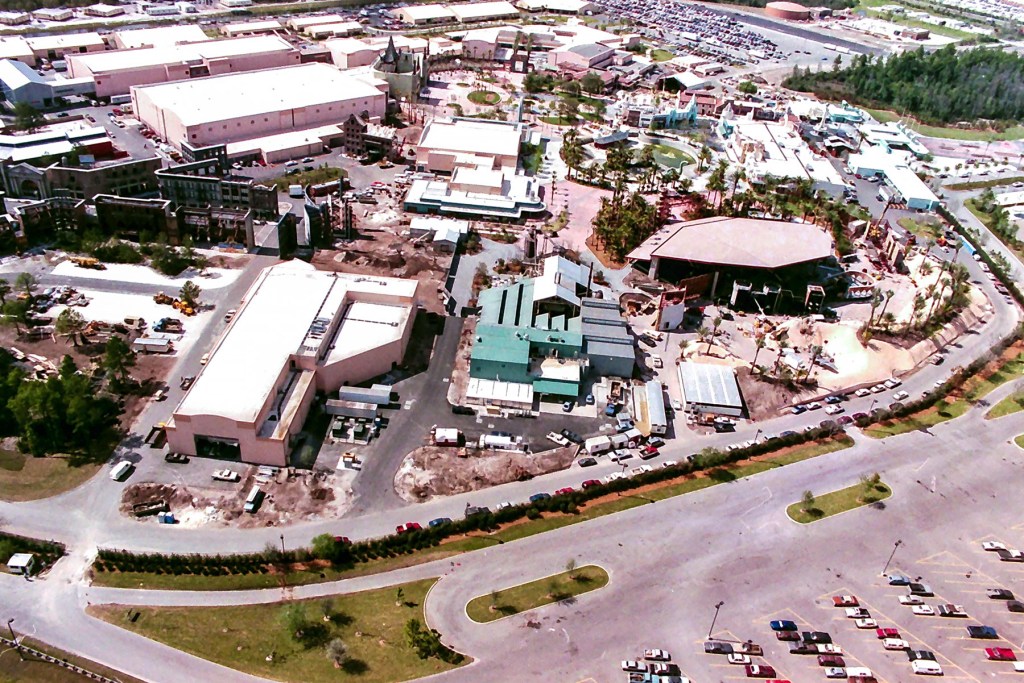
Disney MGM Studios Theme Park in 1989

Tower of Terror provided the initial shift, but further development led to the concept of integrating a high-speed roller coaster with a musical motif, thus initiating the journey towards Rock and Roller Coaster.
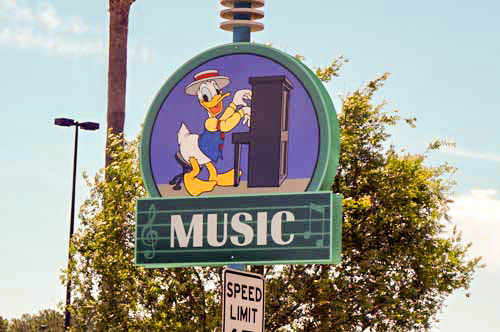
DMGM Studios parking lot had a section named “Music” in 1989

Space Mountain’s success in Paris demonstrated the appeal of combining rapid launch mechanisms, multiple inversions, and onboard audio. While adaptation for Orlando seemed promising, logistical constraints prevented its direct implementation. The narrative continued to evolve, drawing inspiration from Premier Rides’ Outer Limits: Flight of Fear.  This ride located in Ohio was notable for its pre-show and launch vehicle, though it lacked onboard audio and featured an intricate indoor track layout. These elements informed the Florida project for the ride, but as typical in the development of a new Disney ride, it faced challenges.  Among the challenges was securing naming rights.  Although “Rock and Roller Coaster” was readily understood among project stakeholders, there are another company in front of Disney because Universal Studios initially held a claim. Subsequent research revealed Opry Land in Tennessee had previously used the name, but with the park’s closure by Gaylord Entertainment, Disney was able to acquire the rights. Had circumstances differed, the attraction might have proceeded under another designation; however, “Rock and Roller Coaster” ultimately became exclusive to Disney Imagineering.
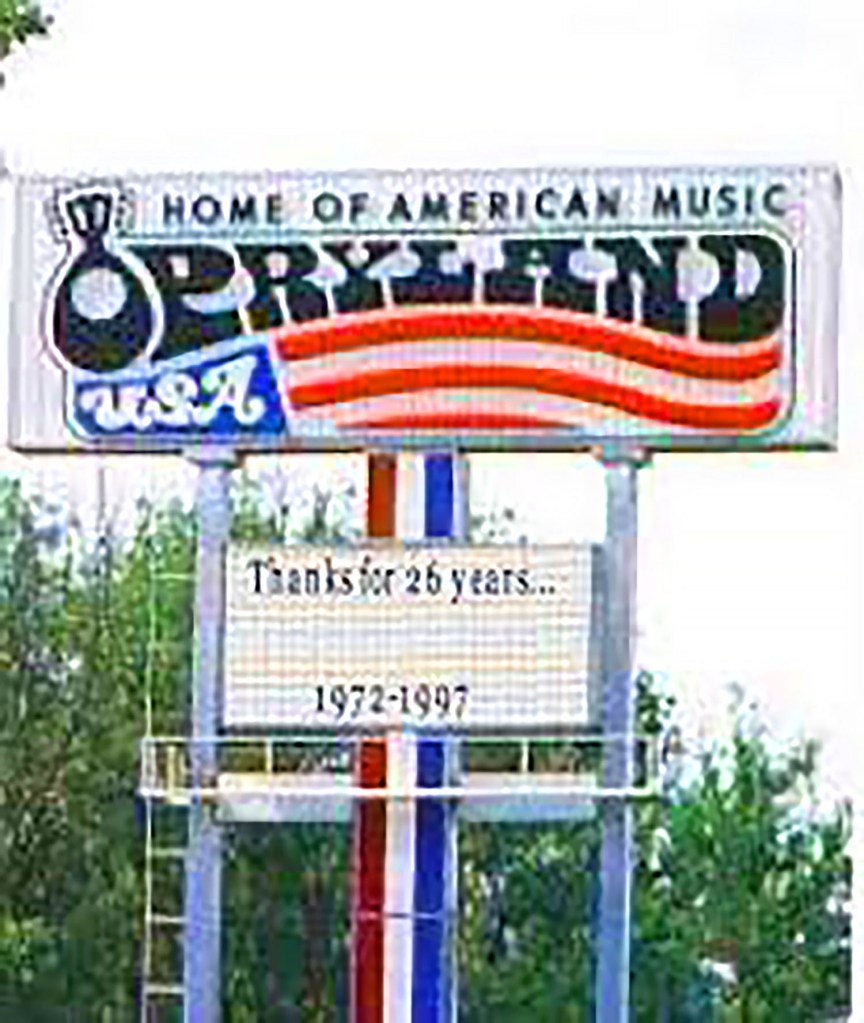
Disney secured the name ‘Rock n’ Roller Coaster’ from Gaylord Entertainment

Pulling from my background in animation and storytelling, I directed efforts to create a compelling environment that conveyed the ride’s narrative prior to entry. Inspiration was derived from Los Angeles recording studios, notably locations such as the former Charlie Chaplin studios (later A&M Records and subsequently Jim Henson Company headquarters) and RKO Records. The interiors of these facilities prioritized functionality, characterized by narrow corridors, sound booths, and stages. Early design iterations considered replicating Space Mountain from Paris but eventually evolved towards a music studio aesthetic. The addition of a prominent guitar was deemed essential; dimensional design utilized real instruments as templates, culminating in a large-scale installation fabricated in Tampa, Florida, with complementary components developed in Logan, Utah, and Daytona Beach.
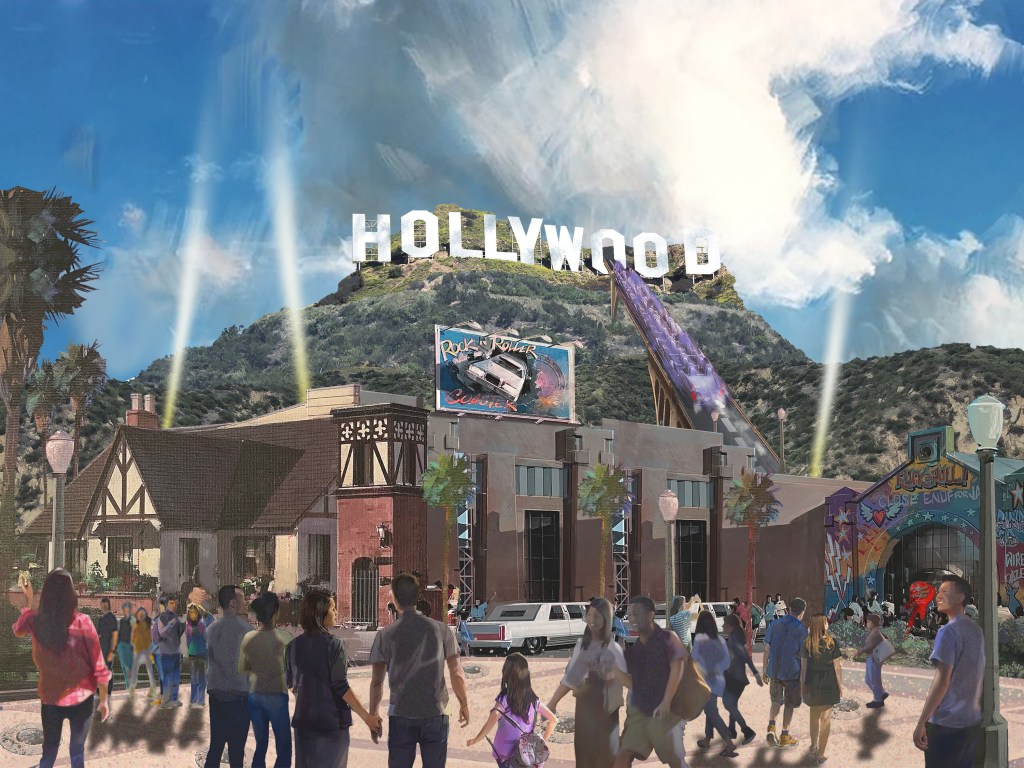
Art credit: Jim Shull 2026

The roller coaster train and track was constructed in the Netherlands, incorporating rigorous testing and safety evaluations. During the project’s construction phase in Florida, extensive oversight was maintained, including practical solutions for site-specific challenges such as utility placement and theming adjustments. Building an attraction typically requires three to five years, while a new park demands five to seven years, underscoring the complexity and commitment involved.
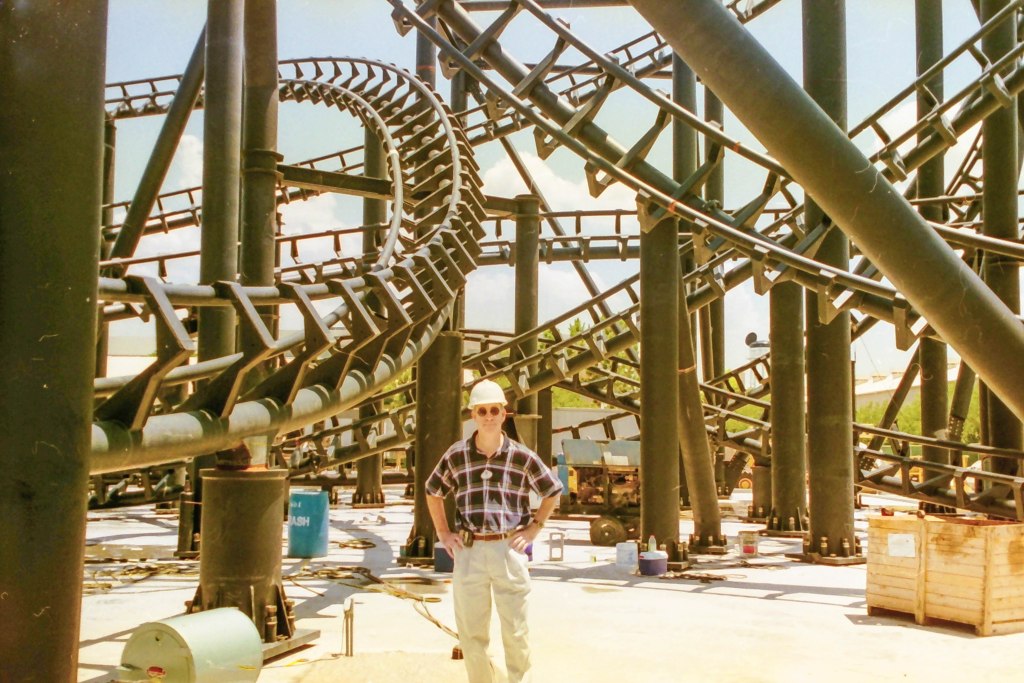
The author in the field during construction

Upon completion, the project was handed over to park operations, and the ride opened on June 29, 1999.
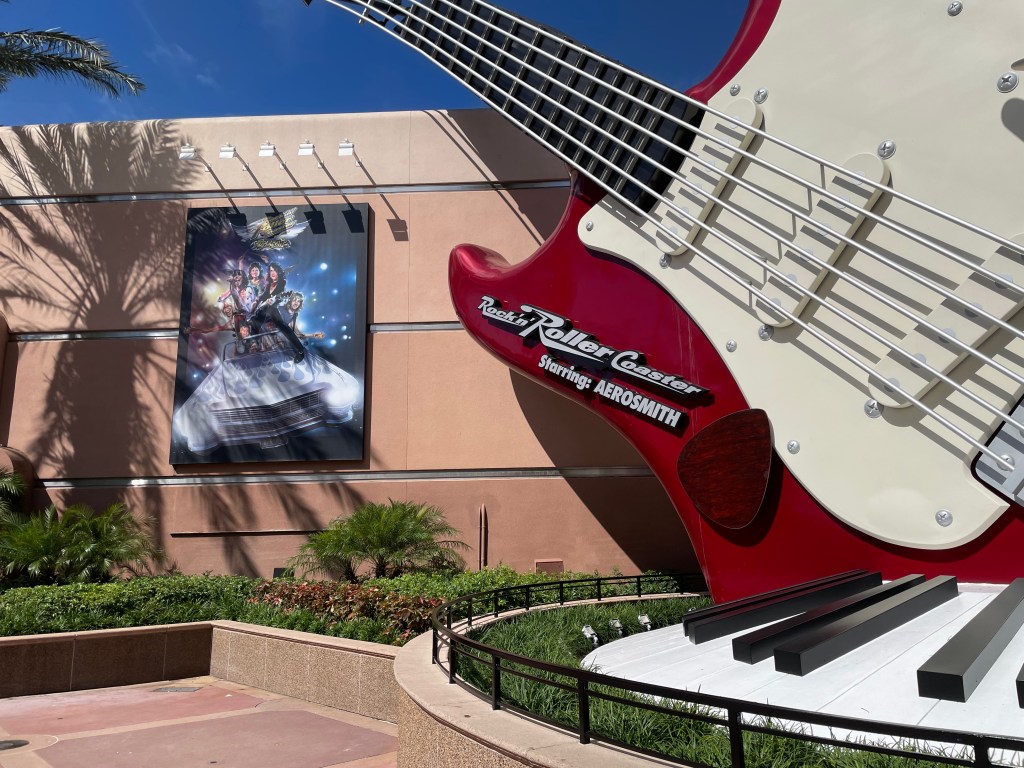
Rock n’ Roller Coaster opened July 29, 1999

On February 28, 2026, the Rock n’ Roller Coaster Project Team reconvened at Walt Disney World to commemorate the closing of Rock and Roller Coaster, reflecting on how conceptual elements—including the acquisition of a guitar, billboard artwork, and prop integration—contributed to an innovative and memorable guest experience. Through collaborative effort, a small, dedicated group succeeded in realizing a unique attraction that fulfilled the creative intent associated with the music-themed parking sign: an exhilarating VIP concert experience headlined by Aerosmith and delivered via super stretch limousine.

For more information about Rock n’t Roller Coaster, click on this link: https://youtu.be/AfdHbMNerQQ
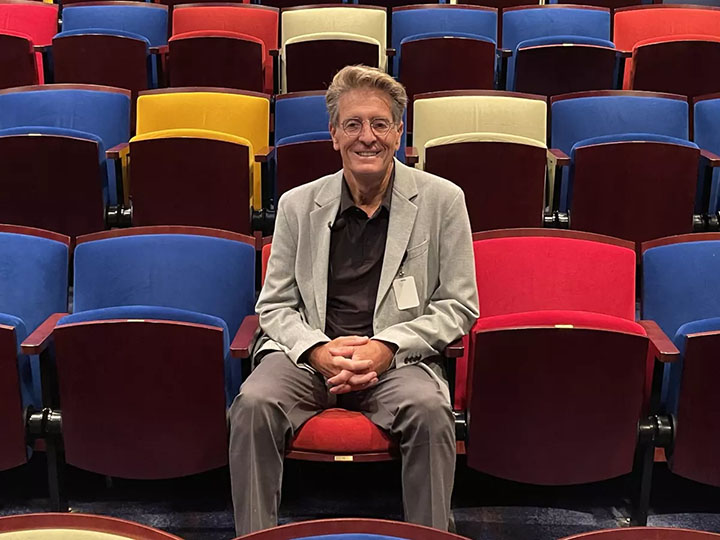
Eddie Sotto: The Heart of Disney Imagineering

Introduction

This is the first time since starting Disney Journey that I am sharing a story that weighs heavily on my heart: the recent announcement of the passing of legendary Imagineer Eddie Sotto. Eddie is an essential figure if you wish to truly understand Disney and the work of Disney Imagineering during the late 1980s and early 2000s. He accomplished so much, and his talents were truly exceptional. 

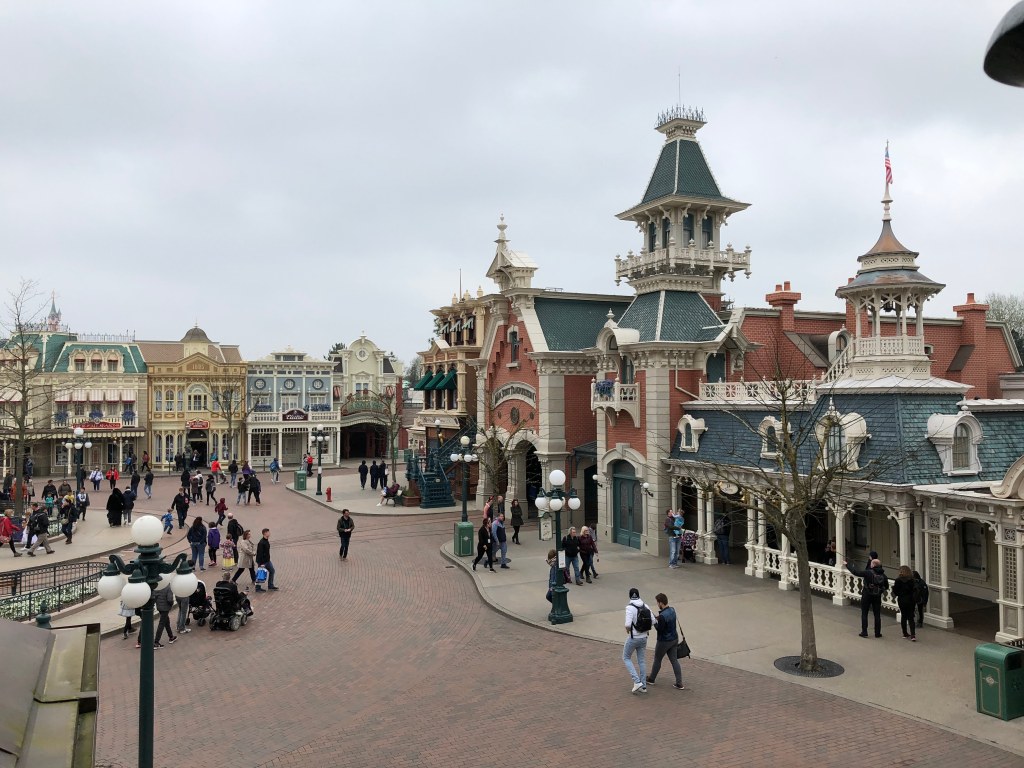
Main Street Euro Disneyland

Remembering Eddie Sotto: Colleague and Friend

Eddie was more than a colleague; he was a friend. He was someone I could call upon for feedback, always generous with his time. Time he could have spent creating incredible drawings, like those that led to the development of Euro Disneyland, now known as Disneyland Park in Serris, France. The beautiful hotel that serves as the park’s entrance and the iconic train station at Main Street USA are among his notable contributions. Eddie’s name appears on one of the windows on Main Street, alongside other creative directors.

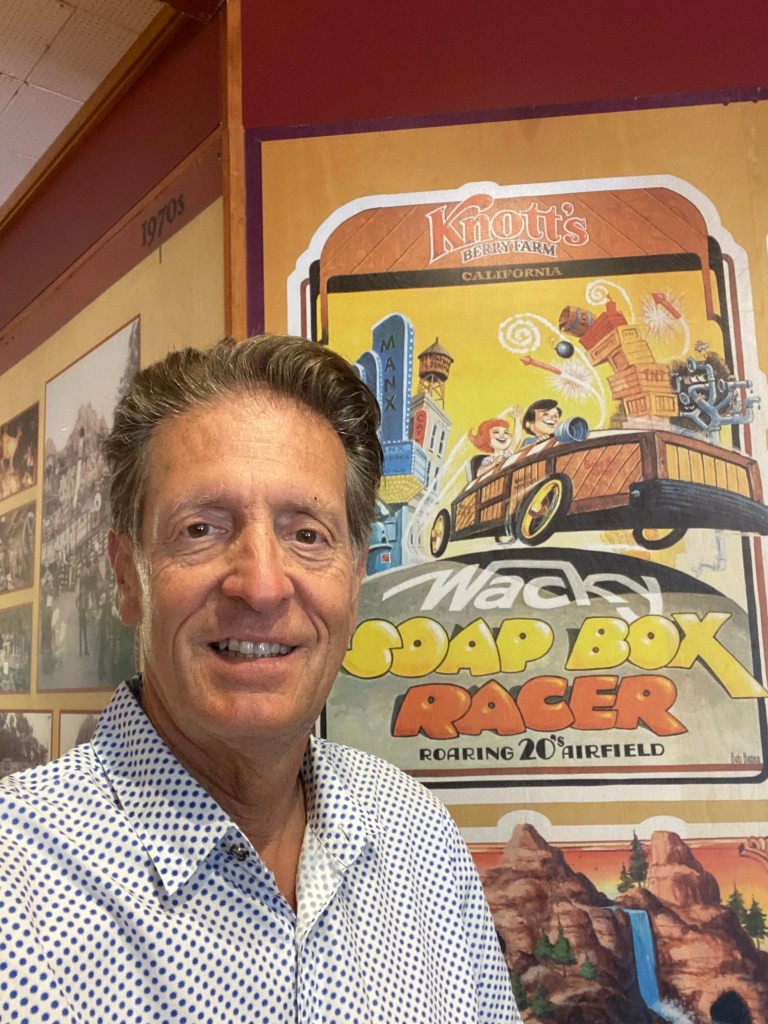
When I joined Walt Disney Imagineering in 1988, Eddie was already there, having come from Knott’s Berry Farm where he brought creative ideas to life. I especially remember his reimagining of an existing ride into the Soapbox Racers. He transformed the ride system, making it fun and lively with great music and unforgettable characters. Working within a small park with limited resources, Eddie wore many hats and delivered magic on a tight timeline. Every time I rode the attraction, I’d congratulate him, and he’d respond with a trademark cockeyed grin—sometimes dropping into his radio announcer voice to say, “Thank you. Thank you very much.”

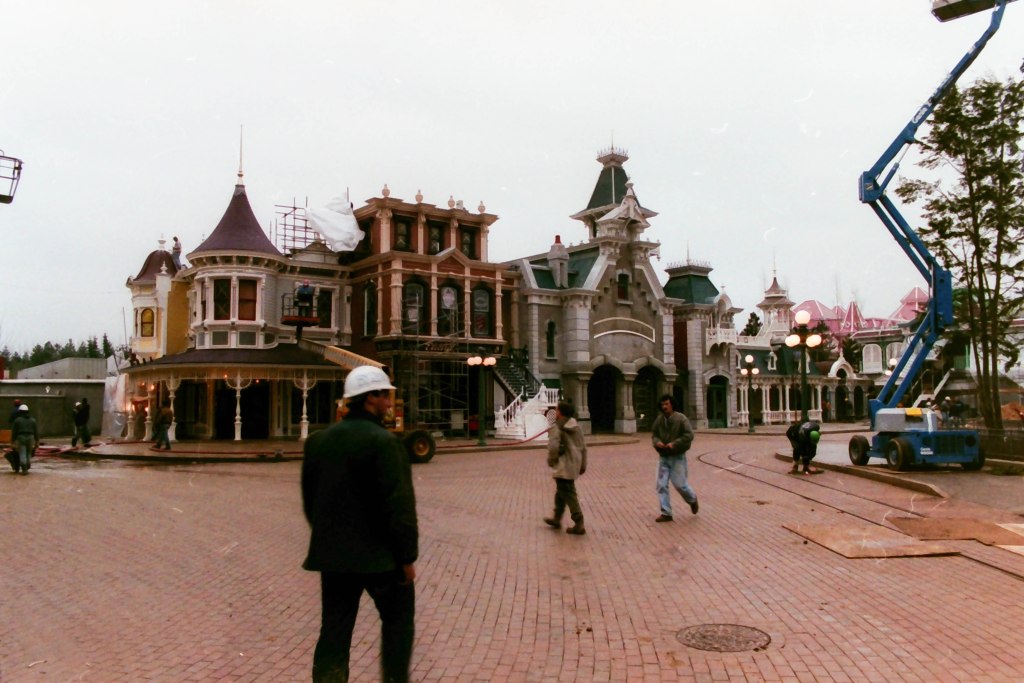
The Euro Disneyland project team operated out of a converted warehouse on Rodier Street. While the building retained much of its original character, Eddie’s vision set him apart. His concept for Main Street USA was rooted in the 1920s, featuring an elevated streetcar, though that idea did not come to fruition. What did emerge, however, was a uniquely beautiful Main Street—arguably the finest in any Disney castle park.

Main Street construction Euro Disneyland 1991

Creating Magic: Main Street USA and Beyond

The farmland and beet fields of Serris France were transformed into a construction site, and over months and years, Main Street USA rose from the ground. Its Victorian style was enhanced with cinematic touches, creating the perfect fantasy. Today, visitors—many of whom are unfamiliar with the historical period—walk those streets and smile, enchanted by the views Eddie helped create.

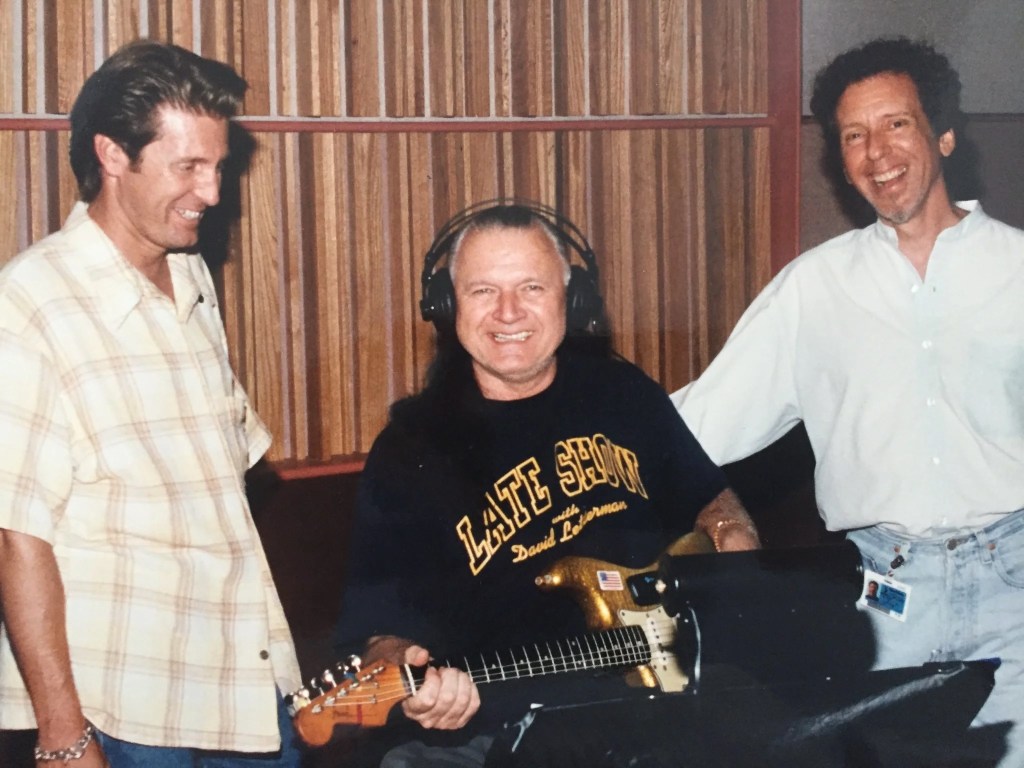
Eddie Sotto, Dick Dale and person unknown during Space Mountain session

Eddie’s Passion for Rock and Roll

Eddie Sotto’s love for rock and roll was evident in his work. His visionary idea to collaborate with legendary surf guitarist Dick Dale resulted in a new soundtrack for Space Mountain in Tomorrowland. Few would have thought to pair surf guitar with a space-themed attraction, but Eddie did—and the result was a resounding success.

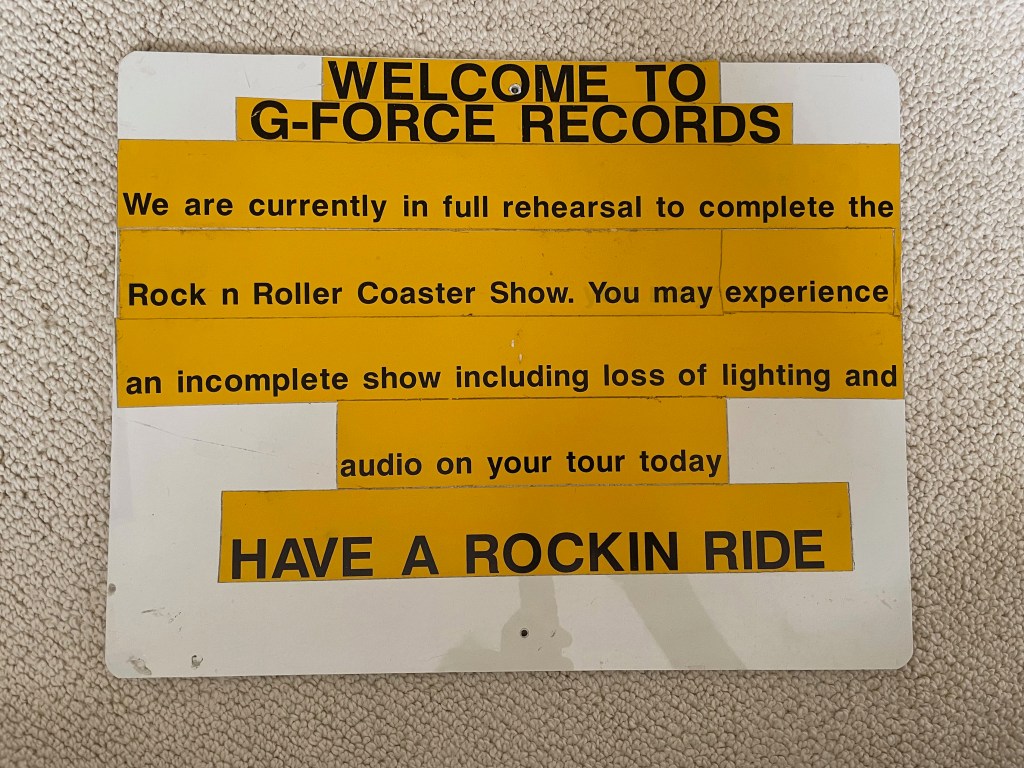
Safety sign Rock n Roller Coaster during test phase

Mentorship and Support

While living in Florida for Rock n Roller Coaster, Eddie phoned me and we met to walk my project and share a meal in the rooftop restaurant in the Contemporary Hotel.  Eddie was in Florida for his own projects. Despite his busy schedule, he was generous with his time, reviewing notes and walking through Rock ‘n’ Roller Coaster with me. He reassured me about my creative decisions and encouraged me, saying, “Your ideas about rock and roll are classic. They’re good. They have energy.”  His encouraging words were heartfelt and sincere.

Pooh’s Hunny Hunt Tokyo Disneyland

Pioneering Ride Systems: Pooh’s Honey Hunt

Eddie was inspired by innovative ride systems, such as the trackless system in Universe of Energy. He led the creative team to develop Pooh’s Honey Hunt in Tokyo Disneyland’s Fantasyland. Even knowing what to expect, I was surprised when the fleet scattered into the Hundred Acre Wood, weaving through scenes with Heffalumps and Woozles. The ride was delightful, family-friendly, high-capacity, and, though ambitious, a tremendous success. Its success laid the groundwork for Remi’s Ratatouille Adventure at Disney Studios Park in France.

Tokyo Disneyland Queen of Hearts restaurant

Creative Landmarks: Queen of Hearts Banquet Hall and More

Eddie’s impressive resume includes projects such as the Alice in Wonderland-themed Queen of Hearts Banquet Hall at Tokyo Disneyland. The innovative use of forced perspective made the space feel much larger than it was. Eddie’s meticulous attention to detail manifested in hours spent refining drawings for Main Street USA, always providing clear instructions for the project team on how to bring his vision to life.

LAX Encounter restaurant

Legacy Across Parks and Beyond

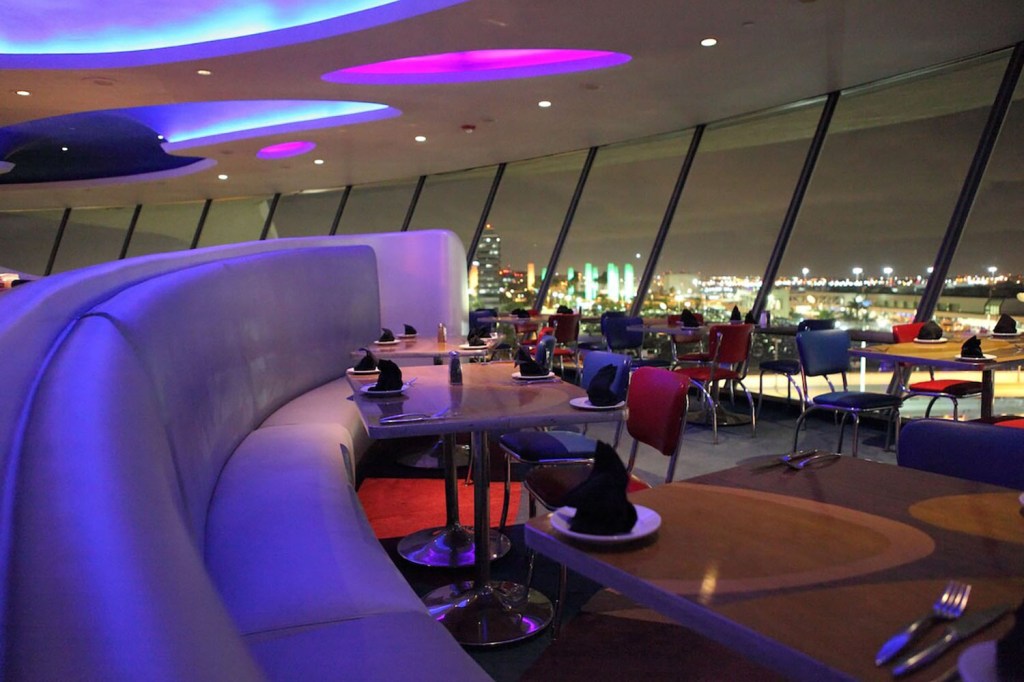
Eddie’s expertise extended to countless other projects, including Mission Space, the proposed Sci-Fi City for Tomorrowland at Tokyo Disneyland, a revamped Jungle Cruise for Indiana Jones, and Shrunken Ned. His creative influence reached beyond Disney parks. At Los Angeles International Airport, he led the team that created the Encounter Restaurant in the iconic Theme Building, imagining a retro-futuristic space reminiscent of an alternate universe, complete with his love for lava lamps. Although the restaurant is now closed, the memories of those creative sessions with Eddie and his team remain vivid.

Eddie and team during Main Street construction.

Conclusion: A Lasting Tribute

Looking back on Eddie Sotto’s legacy, I am filled with gratitude for his ideas, the people he inspired, and the lasting impact he made on themed entertainment. While I hope we may see another Eddie in the future, I truly believe his influence is one of a kind.