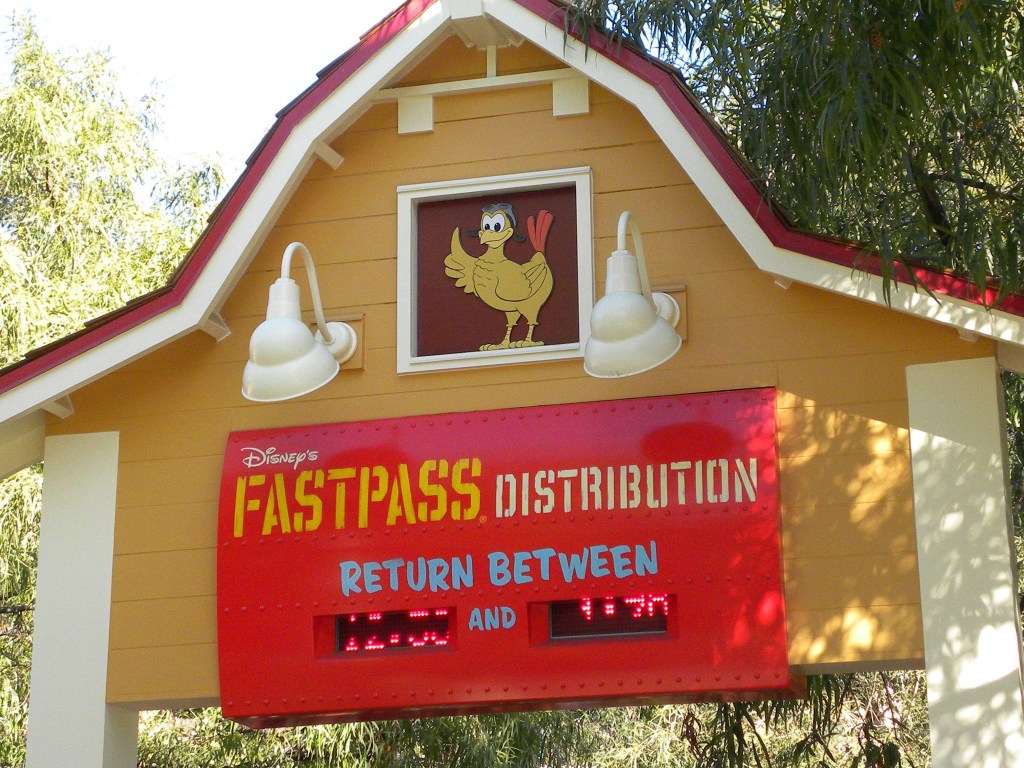
Disney’s Fast Pass once was everywhere.
Disney’s park reservation service began with a simple idea. The simple insight was Disney Park guests do not like waiting in line. By giving guests reserved ride times, Disney encouraged them to shop, dine, and visit less popular attractions while they waited. This arrangement benefited both guests and the parks, though it required expensive distribution equipment throughout the parks. Disney expected increased spending on food and merchandise to offset those costs, and the service itself remained free for years using the business model.
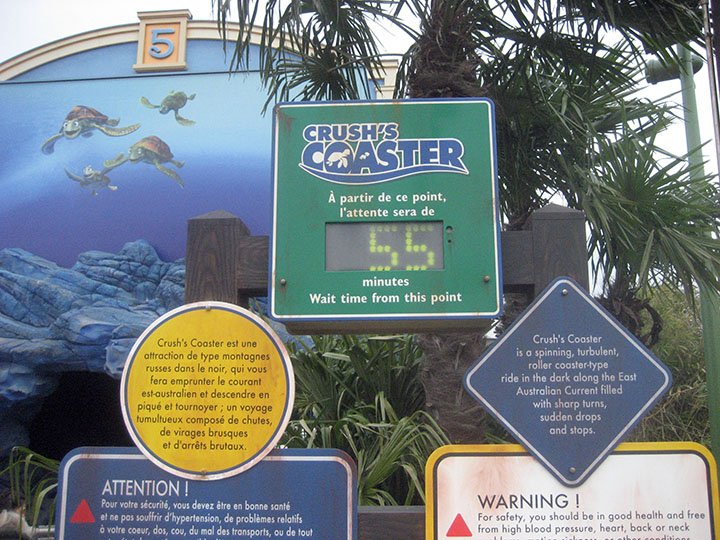
A free Fast Pass or waiting in long lines was the choice.
But the model changed and FastPass was replaced by Lightning Lane, a similar service that guests now purchase through their phones. This shift changed the model: instead of offering the benefit for free, Disney Parks turned it into a direct source of revenue.
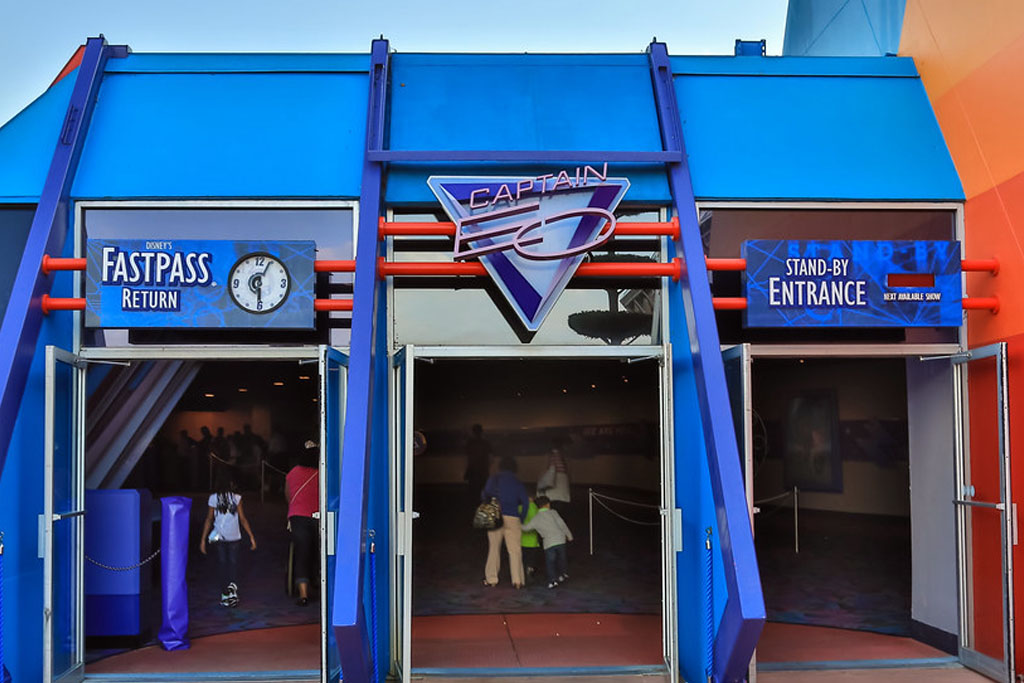
Even old attractions had Fast Pass.
What does this mean? Guests have limited money and time. Many buy Lightning Lane to make the most of their visit and spend their time as they choose; in effect, they are paying for convenience, much like customers who use a McDonald’s drive-through. Today, Lightning Lane generates revenue for The Company. In his new book, Bob Chapek did not apologize for rising park costs during his tenure, and the underlying view is that the market will determine what guests are willing to pay and will signal when prices have gone too far. That outcome is neither inherently good nor bad—it is simply how the market works. Ultimately, Disney will discover the ceiling when guests refuse to pay more.

