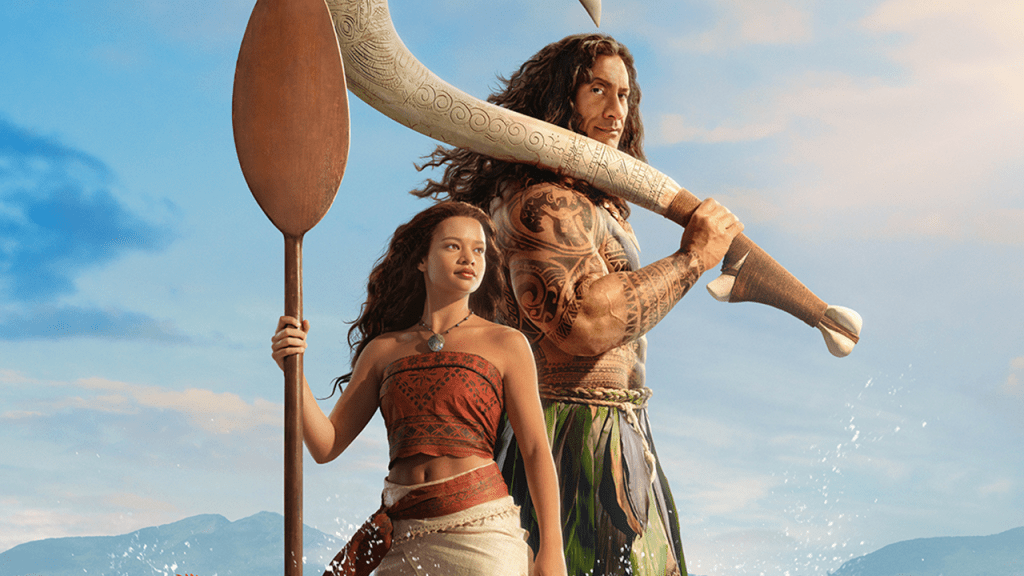
Moana may the best movie no one wanted to see.
In a summer marked by disappointment and uncertainty, Disney offers a useful business lesson: social media influencers cannot rescue a weak idea. The live-action version of Moana reportedly cost about $250 million to produce and another $100 million to market, meaning it needed an extraordinary box office performance to turn a profit. Its underwhelming results likely stemmed from several factors: the original film was released only about a decade ago, an animated sequel had recently arrived, and the remake did not meaningfully differ from the animated version.
The live-action Moana stumbled because it reflects a recurring problem in Hollywood: the people making movies often misjudge what audiences actually want. Supergirl, for example, was never built as a true star vehicle. More recent films such as Strange World, Elio, and Wish may have sounded promising on paper and checked the right boxes, but that does not guarantee an audience will show up. Disney has repeatedly tried to elevate properties such as the Muppets, Winnie the Pooh, and Tinker Bell, raising the same question each time: why commit major resources to a brand without clear audience demand?

The Disney Princess was successful enough for the a Tinker Bell brand.
These efforts usually begin with a premise. The Disney Princess line, for instance, emerged almost by accident, but once it generated significant revenue, Disney naturally tried to expand it. That impulse helps explain the push behind Tinker Bell, even though the character had little narrative foundation: she was a silent pixie who appeared alongside Peter Pan in one film and had no obvious story of her own. Cars followed a similar pattern. The first film turned ordinary toy cars into must-have merchandise, which encouraged sequels. But after Cars 2—essentially the Mater movie—and then Cars 3, the franchise lost momentum and appeared to reach its natural limit.
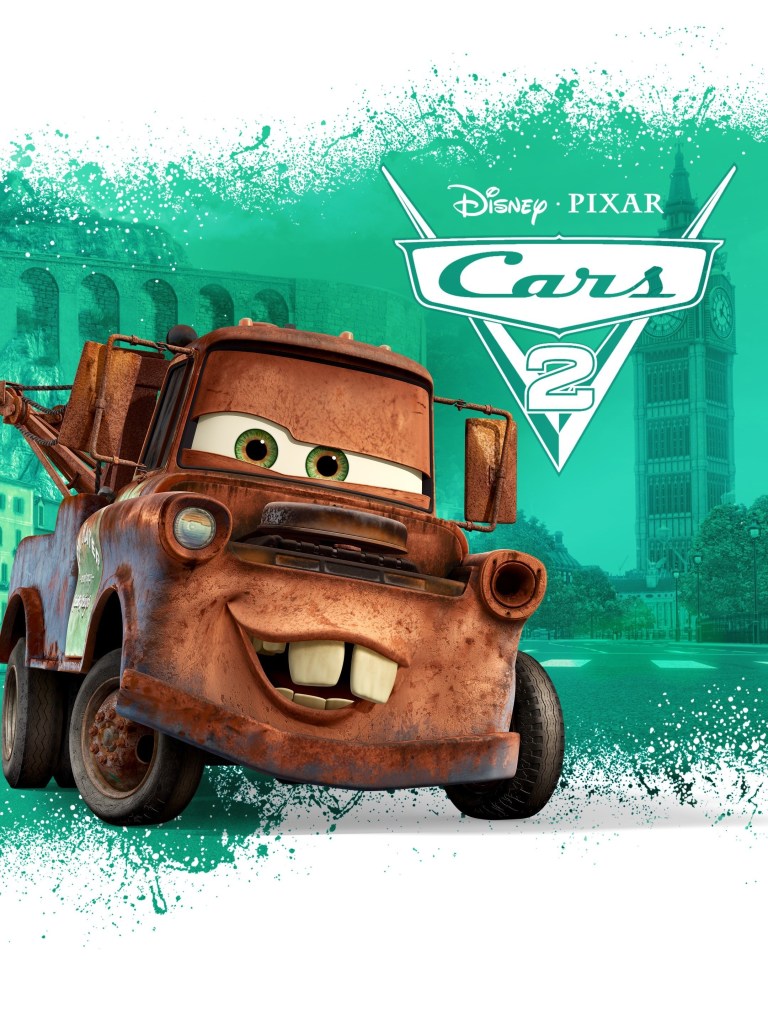
CARS 2 aka “The Mater Movie”.
Over reliance on brands leads to brand extensions, and brand extensions can eventually create bubbles. You cannot predict exactly when a bubble will burst, but eventually it does. Marvel is a clear example. At one point, the studio was releasing three films a year, and if Disney had been able to build a Marvel-focused fifth gate at Disney World, it likely would have. The company could not do so because of the existing agreement between Marvel and Comcast, but Disney still expanded Marvel elsewhere. For a time, the films were produced in Georgia and arrived at a relentless pace. Today, that momentum has slowed, and production has shifted to the United Kingdom. Recent Marvel Studios releases have been less successful, and the gap between Fantastic Four and Avengers: Doomsday will be roughly a year and a half. The issue is not simply that individual films are bad; the problem is that audiences can grow tired of consuming the same thing again and again. Even steak loses its appeal if it is served at every meal.
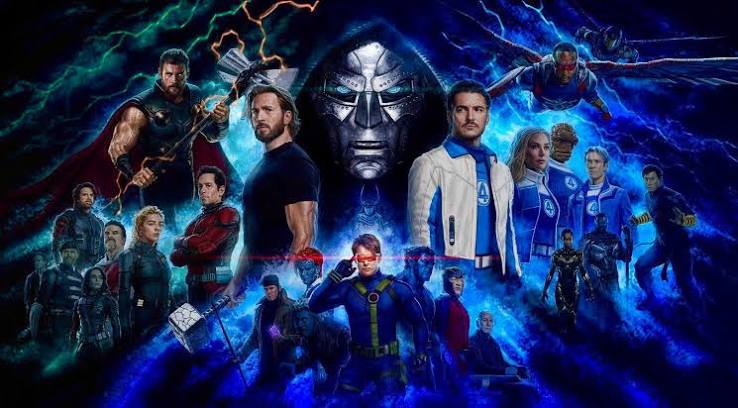
Is Avengers Doomsday doomed?
What Disney is confronting being the law of diminishing returns. The problem is not that these projects stop making money; it is that they make less money than expected. Tim Burton’s Alice in Wonderland succeeded because it generated an unexpectedly large return, earning about $1 billion and reviving the Alice brand after decades of dormancy. Its influence was strong enough that Shanghai Disneyland’s Alice maze was based on Burton’s version rather than the classic animated film.

Tim Burton’s Alice in Shanghai Disneyland. Credit: Dan Brace
But no tree grows to the sky. When Alice Through the Looking Glass was released, it did not collapse as a film so much as fall short of expectations. That is the risk of brand extension: eventually, the bubble bursts.

