Disney Journey Transcript Show #87

How Early Imagineers Created the Viewliner and Why It Closed.

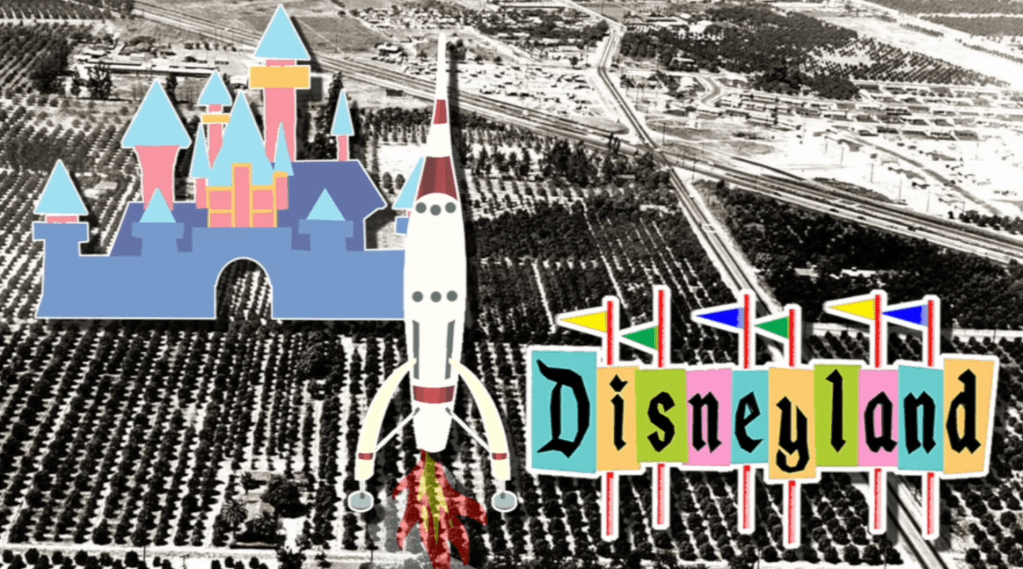
Disneyland is renowned as a park that seamlessly blends frontier themes with fairy tales. The transformation of this former farmland into the iconic destination it is today required the dedicated efforts of numerous Imagineers. This narrative highlights three of these influential figures. Welcome to Disney Journey. Following one hundred episodes, my introduction is likely familiar. Let us proceed with this installment.

During Disneyland’s conceptualization for Anaheim, the site comprised expansive tracts of farmland; at the time, some areas—especially Tomorrowland—may have seemed destined to remain unused. Seventy years later, we know otherwise. In this episode, we revisit the early development of Tomorrowland, focusing on the classic attraction known as the Viewliner. A significant advantage of working as an Imagineer was access to the original hand-drawn design schematics, created before the digital era on trace or vellum. With experience, one could identify the artist behind unsigned works, as these renderings often transcended mere technical utility and approached true artistry—worthy of display in a museum setting.

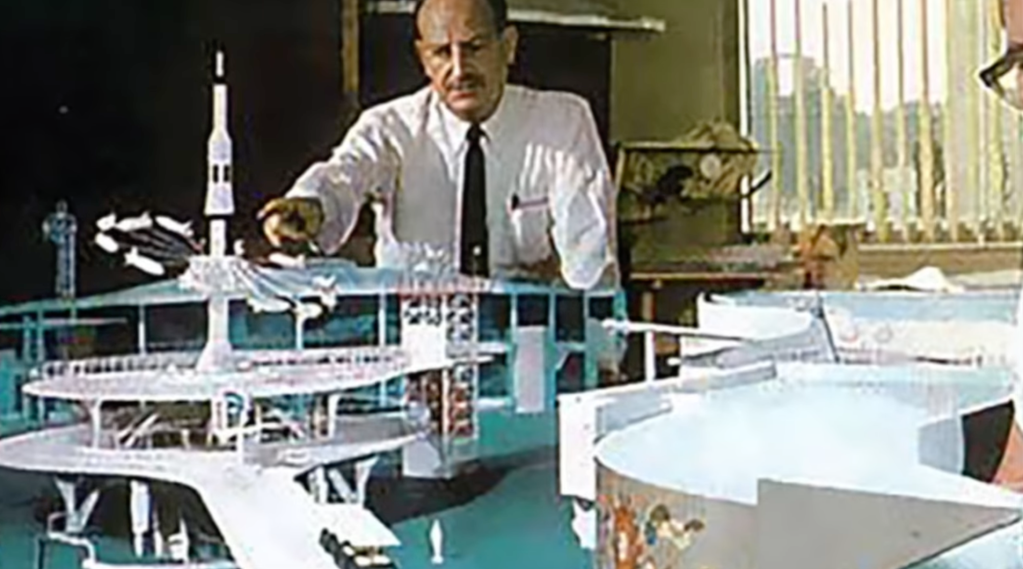
Among these artists, Disney Legend John Hench stands out, his exceptional contributions merit recognition. When I joined, John maintained an office and conference room at 1401 Flower Street in Glendale, California, and remained approachable for consultation.Numerous articles and books discuss John Hench’s legacy, with one particularly noteworthy resource detailed in the show notes below.

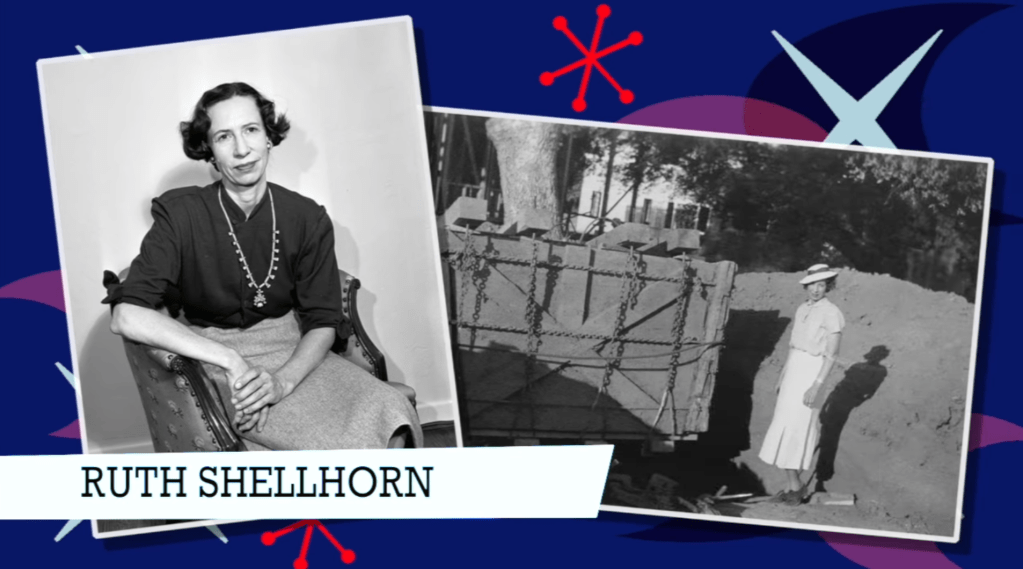
Continuing through the figurative gallery of Disney legends, we encounter Ruth Shellhorn, a landscape architect whose pivotal role in the latter stages of Disneyland’s development is sometimes underappreciated. Without Ruth’s expertise in drafting, her coordination with Walt Disney, and her ability to implement plan modifications efficiently, the park’s timely opening would have been improbable. For further reading, the University of Georgia Press offers an extensive account of Ruth’s career, including her work at Disney. Walt Disney famously articulated that Disneyland would continue to grow—a statement reflected in the substantial undeveloped land present in 1955. There was no shortage of ideas for future attractions, and soon after opening, operational needs dictated rapid expansion.

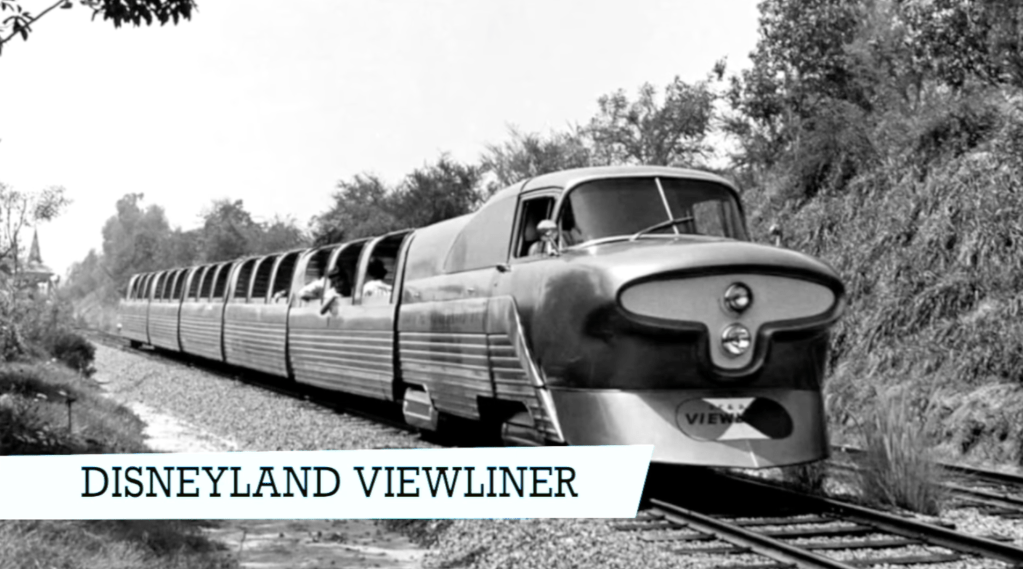
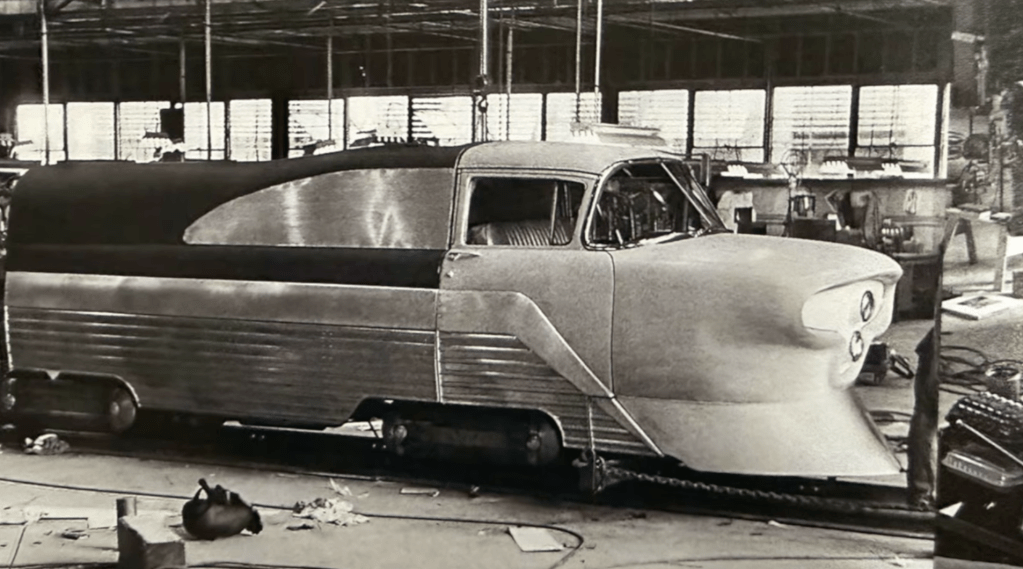
A particular tract in Tomorrowland was identified as ideal for a new ride. Recognizing Walt’s enthusiasm for trains and the popularity of children’s train rides, alongside inspiration from the streamlined GM Aerotrain, Imagineers began designing what became the Viewliner. My own recollections of the Disneyland Viewliner are vivid; as a child, I found the experience exhilarating. Although modest by modern standards, its significance as an early Tomorrowland attraction endures.

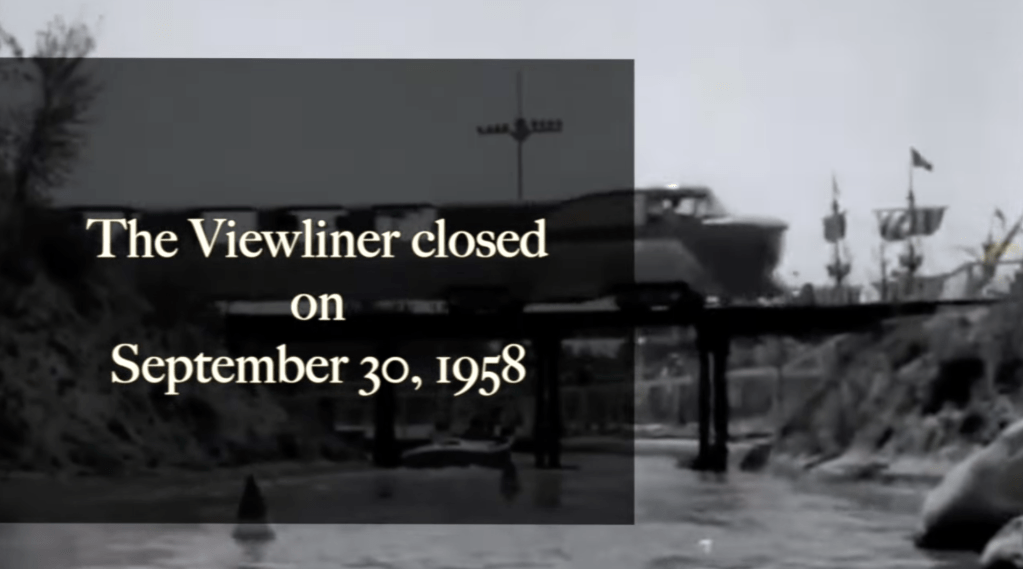
Much credit is owed to Bob Gurr for his versatile engineering work on such projects. Documentation of these endeavors can be found in various resources.Despite its humble beginnings, the Viewliner benefited substantially from Disney’s attention to detail. Distinctive design choices—including visually appealing cabs, strategic placement of bridges and causeways, and the juxtaposition of traditional steam trains with futuristic aesthetics—set the attraction apart. Its interior, while compact due to its origins as a children’s train, conveyed a sense of innovation.The Viewliner featured two stations, located in Fantasyland and Tomorrowland, offering guests a unique journey. However, its operation was short-lived. As guest attendance grew and land became increasingly valuable, early Tomorrowland attractions were frequently repurposed or dismantled.

By the 1967 reopening of Tomorrowland, several original attractions, including the Viewliner, had made way for new developments. This pattern continues: limited space requires that every addition supersede an existing feature, exemplified by the construction of Galaxy’s Edge. Looking ahead, the only certainty is change—particularly given Tomorrowland’s focus on science and technology. While Tomorrowland has faced challenges, its successful moments have provided memorable experiences, such as observing technological showcases or witnessing rocket launches. Notably, good ideas are rarely lost within Disneyland; rather, they may be relocated or reimagined in different contexts.

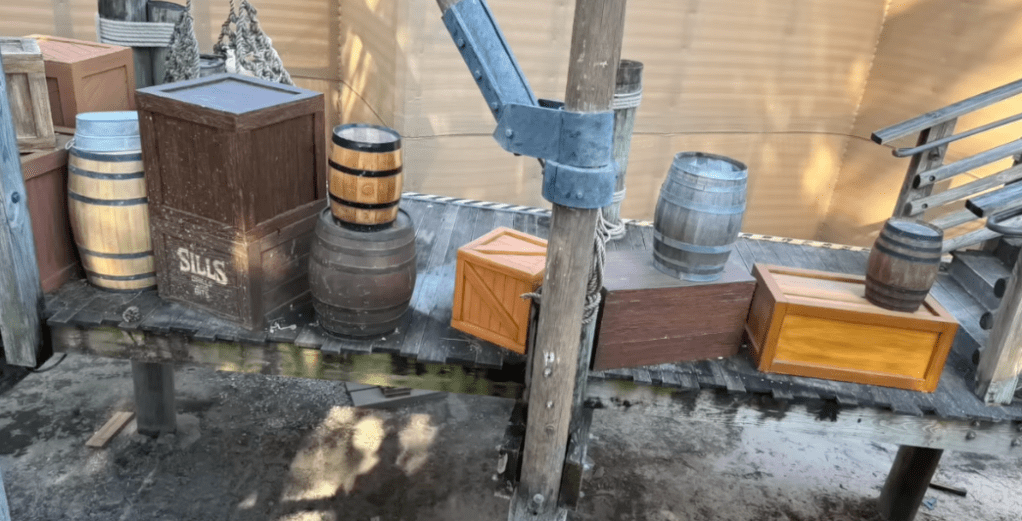
For example, within Mickey’s Toontown, one can still find references to the Viewliner in unexpected places, such as signage above retail spaces. Tomorrowland’s history is characterized by continual transformation, with attractions evolving or yielding to new initiatives.

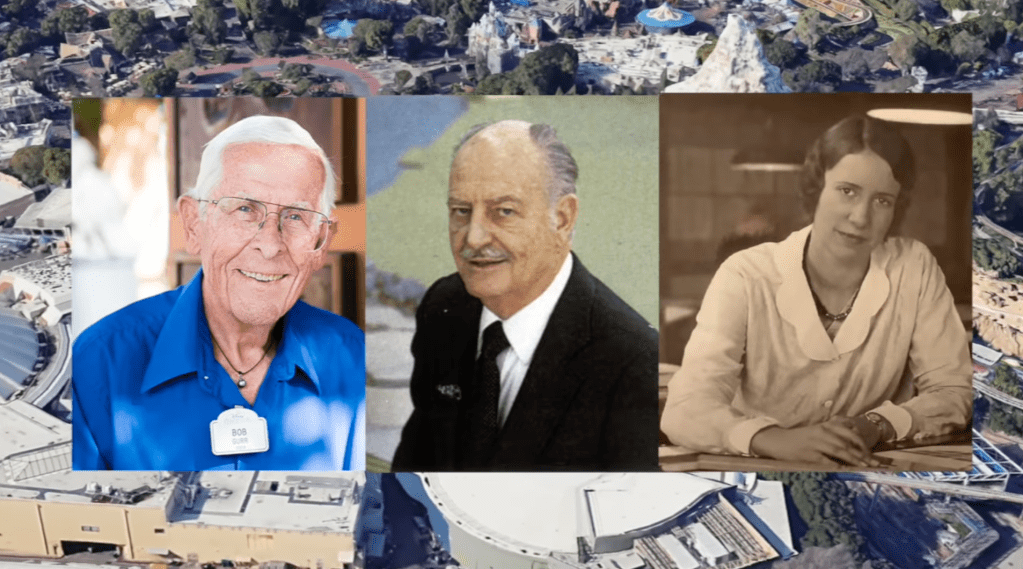
The contributions of Bob Gurr, John Hench, and Ruth Shellhorn were instrumental in its realization. The future trajectory of this notable Anaheim location remains unpredictable.

As this exploration of the Viewliner concludes, I extend appreciation to all channel subscribers—their continued support is invaluable. For additional information regarding this episode, refer to the show notes. Until the next installment, thank you and farewell from Lost Canyon.

Theory of First Costs

Buildings cost money and buildings that appear to be a part of a themed environment cost even more money.  The jobs of Project Managers rest on the foundation that they deliver projects on time and on budget, so PMs are inspired to find ways to reduce costs wherever possible.  If they go over budget or a project opens late, they may not manage another project.

Not everything is in the control of a Project Manager such as when a natural disaster increases the cost of building materials due to demand, or when a ride system fails to preform and has to be rebuilt.  These are uncommon, but when the project mandate is building a mountain, then a mountain they shall build. That is the goal for the project.

Splash Mountain is an example of a building that appears to be a mountain.

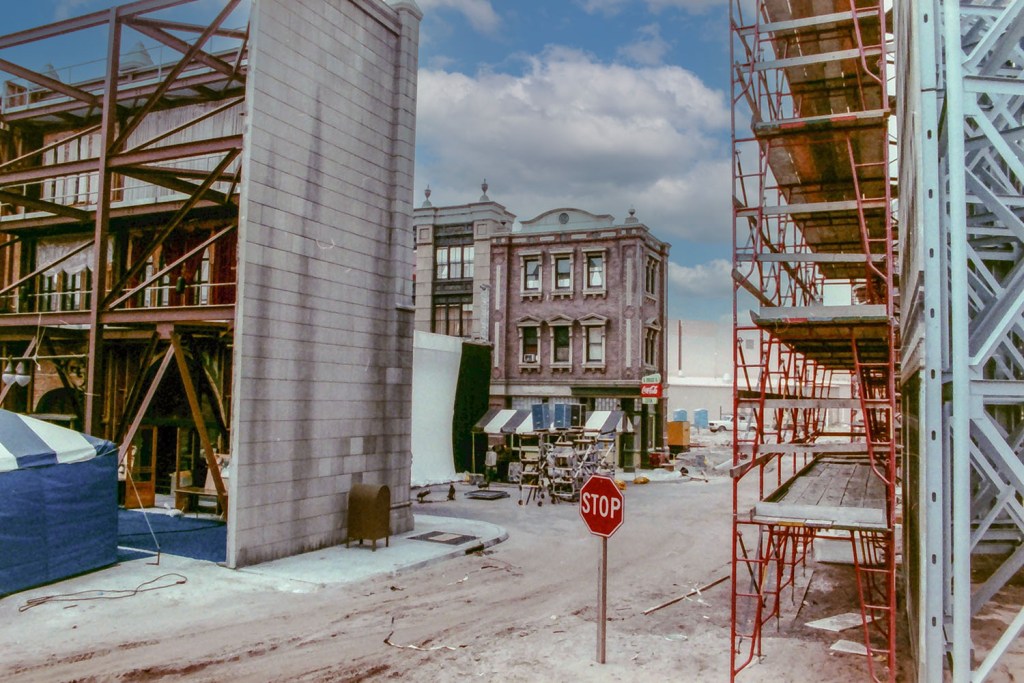
But there was a popular trend starting in the late 1980s that resulted in not building mountains but building movie studio soundstages and back lot set walls.  The Disney MGM Studios at Walt Disney World was the Disney Park that led the way because a simple box instead of an immersive environment could be built which was acceptable because simple construction meant the story conceit.  If guests were asked what they were seeing the answer was ‘it’s a soundstage’, and soundstage are simple boxes and boxes are cheap and fast to build.  The finished project achieves its objectives and general happiness results.

Backlot street at the Disney MGM Studios Walt Disney World.

But the ‘first cost’ often isn’t the ‘final cost’.  

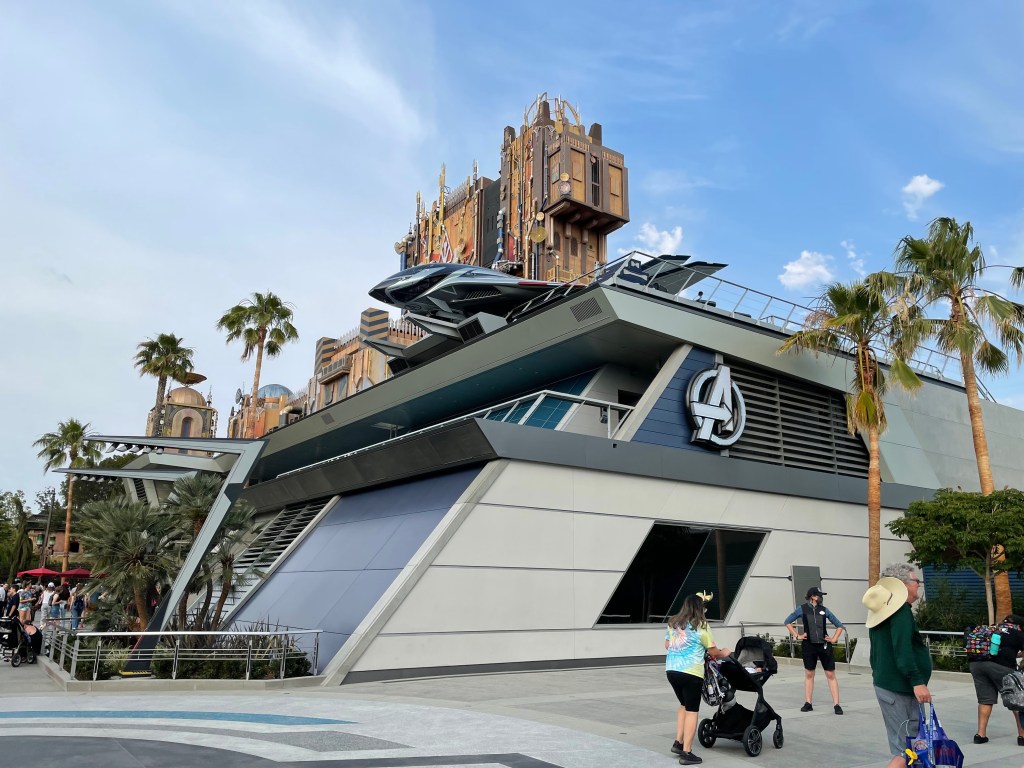
Due to the fact that the simple box is limited, inflexible, and expensive there are costs for changes and modifications driven by future projects.  This is what we are seeing now in Anaheim with the expansion of ‘Avengers Campus’ at Disney California Adventure.  The simple wall with the mounted Avengers Quinn jet and the opening was built to accommodate the Red Car ride.  But to build the expansion of Avengers Campus, the Red Car maintenance barn has been demolished.  What was built originally was ‘just enough’ with no solid plans for future modifications and revisions. Should the existing retail shop become part of a new project there could costs, and the costs fall to the next Project Team.

Looks like a building but its not (Avengers Campus DCA).

The rule of first vs second costs is applied to entire Disney Parks.  For example, when Hong Kong Disneyland and Walt Disney Studios Park opened, both were half day parks.  Over the years new rides were built and lands added at a cost greater than if they had been built originally.

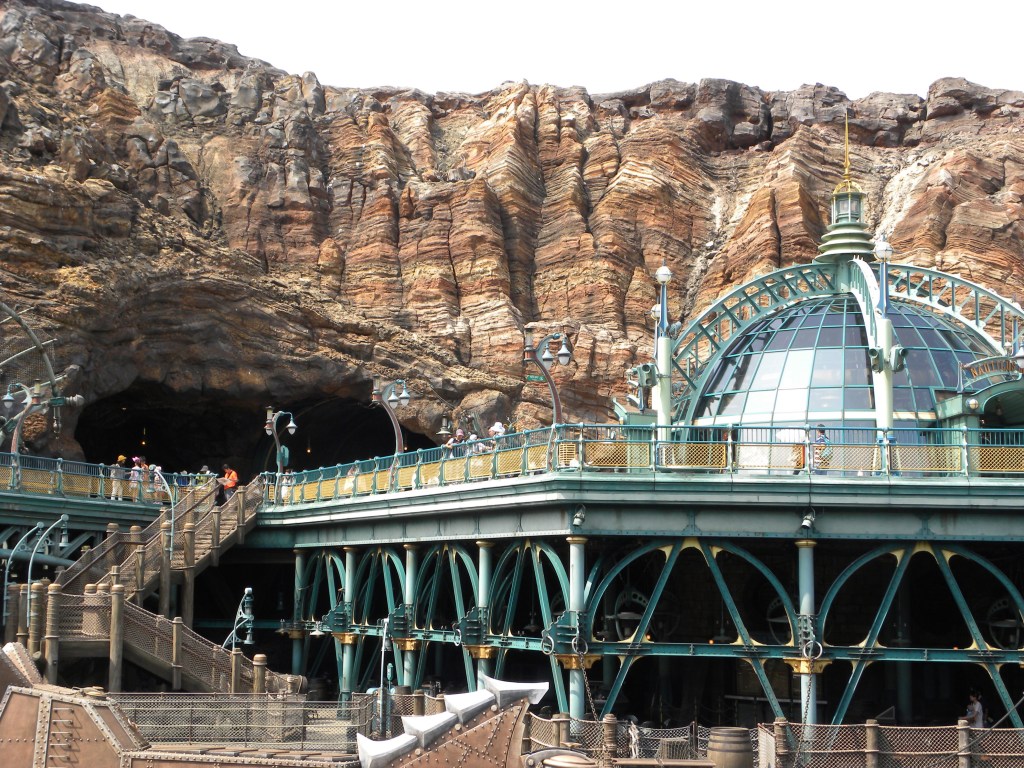
20K ride at Tokyo Disney Sea.

In fairness sometimes there are second costs incurred due to guests opinions and dissatisfaction, such as when the 20k ride at Tokyo Disney Sea was redesigned with a new show.  So, the ‘bean counters’ aren’t always at fault.  Sometimes but not always.  It’s an artful skill to balance the risks and needs of projects to succeed not fail, deliver on time and not late, and stay on budget while not going broke.  Writing as someone who has been in the war trenches, I confirm it is not an easy or simple task.

“Walt Disney, A Magical Life” Thoughts

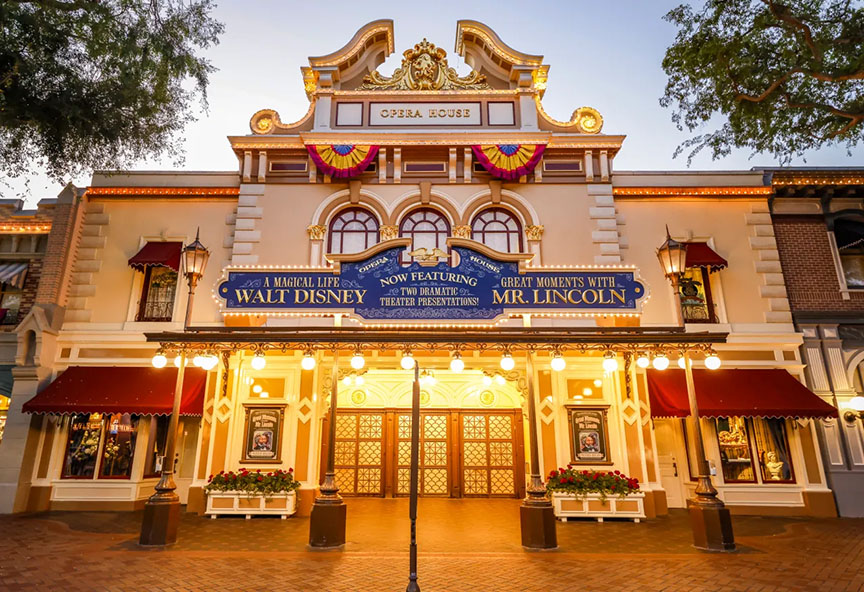
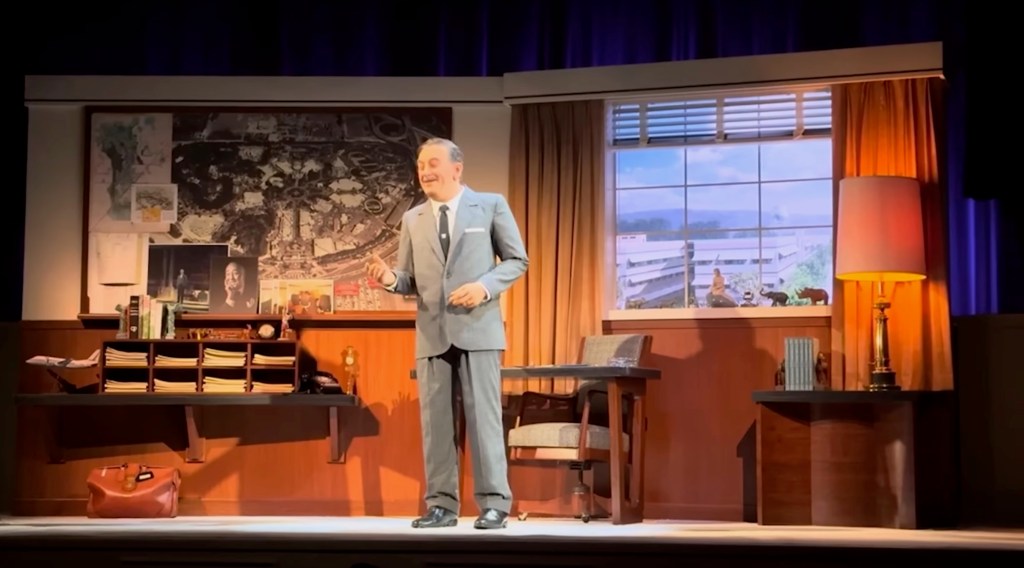
Disneyland is the first Disney Park and the only one that Walt Disney lived to visit, and even sleep in.  I’ve visited his tiny apartment located above the Fire Station with its even tinier bathroom and its really tiny shower.  It looked like any shower plan involved walking into and then backing out of the compartment.   Walt’s apartment is located across Town Square, and the main windows look out toward the Opera House where the new show honoring Walt has opened.  “Walt Disney, A Magical Life” celebrates both the man and his work and it is timely because there is generation who is not all that familiar with the man or his work.

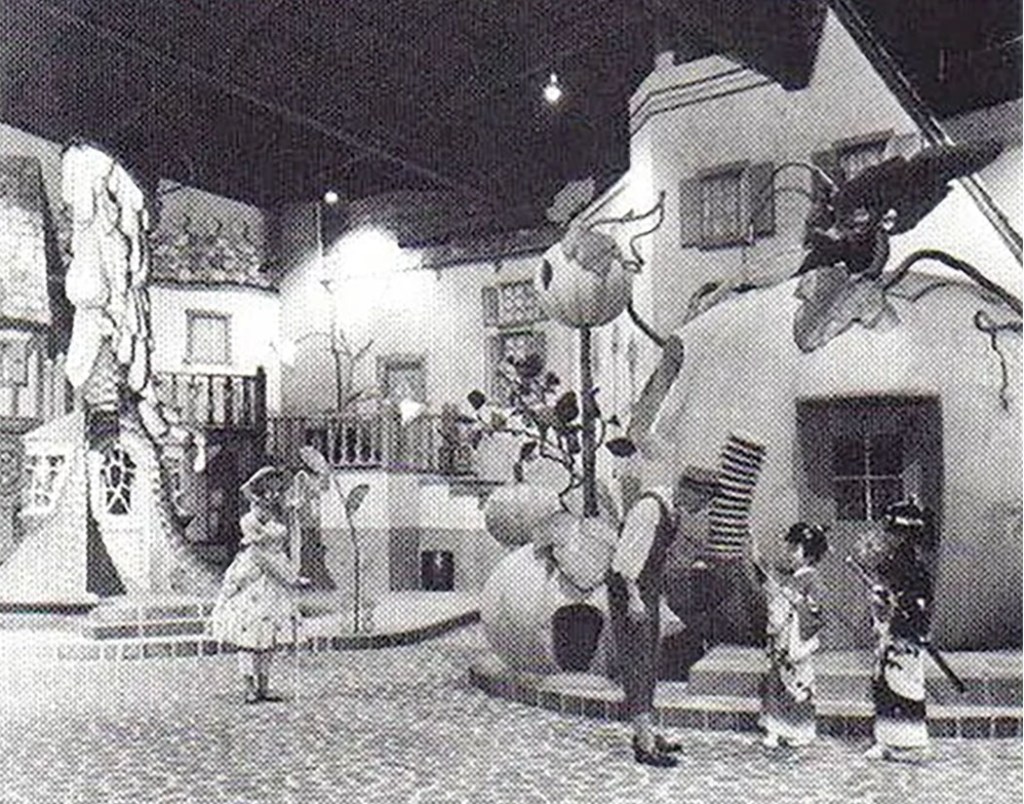
The Disneyland Opera House has had several different lives.  Built as a lumber mill and carpentry shop, it then showcased sets from the Disney film “Babes in Toyland”.  Next came the Lincoln show that premiered at the 1964 World’s Fair which went through changes and revisions over decades.  The changes occurred while the Disneyland telephone switchboard team worked on the floor above the man from Illinois.

Babes in Toyland movie sets in the Opera House on Main Street Disneyland

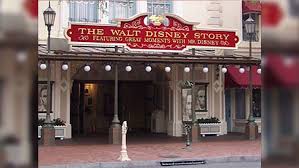
President Lincoln was nearly replaced by the Muppets and was replaced for a time for the film “The Walt Disney Story”, which didn’t last long in the Opera House.

The Walt Disney Story on Main Street.

I have experience creating a show celebrating Mr. Disney because I was the Creative Lead for “One Man’s Dream”, which was part of the ‘100 Years of Magic” celebration at Walt Disney World.  During the design and production, I discovered that delivering a show about Walt Disney is harder than it might appear.  Everyone has their memory of Walt and people soon started picking at the show presented.  

The new show in Disneyland employes advanced figure animation, projection technology and important exhibits, but as with the earlier shows about Walt people have found fault.  “The sound is odd, the face is too fat, and the mustache is too thick” are among the comments.  

The guests making the comments are both correct and wrong in their opinions, and the company Walt and his brother founded will need to accept that this show is an example of the old adage that you can’t please everyone.  Sometimes you can’t please anyone, but congratulations are due to the team at Imagineering for trying.

Predications for the New Year

Disney’s Hollywood Studios

In the spirit of the New Year, I’m here to offer predictions for 2024.  Note that as my crystal ball is out for repair that I’m turning to my slightly dusty Magic 8 Ball for my predictions.  Before I begin note that all predications are idle speculation which are based on the foundation that they could happen, not that they will happen.  

Marquee of Monsters, Inc ride at Tokyo Disneyland

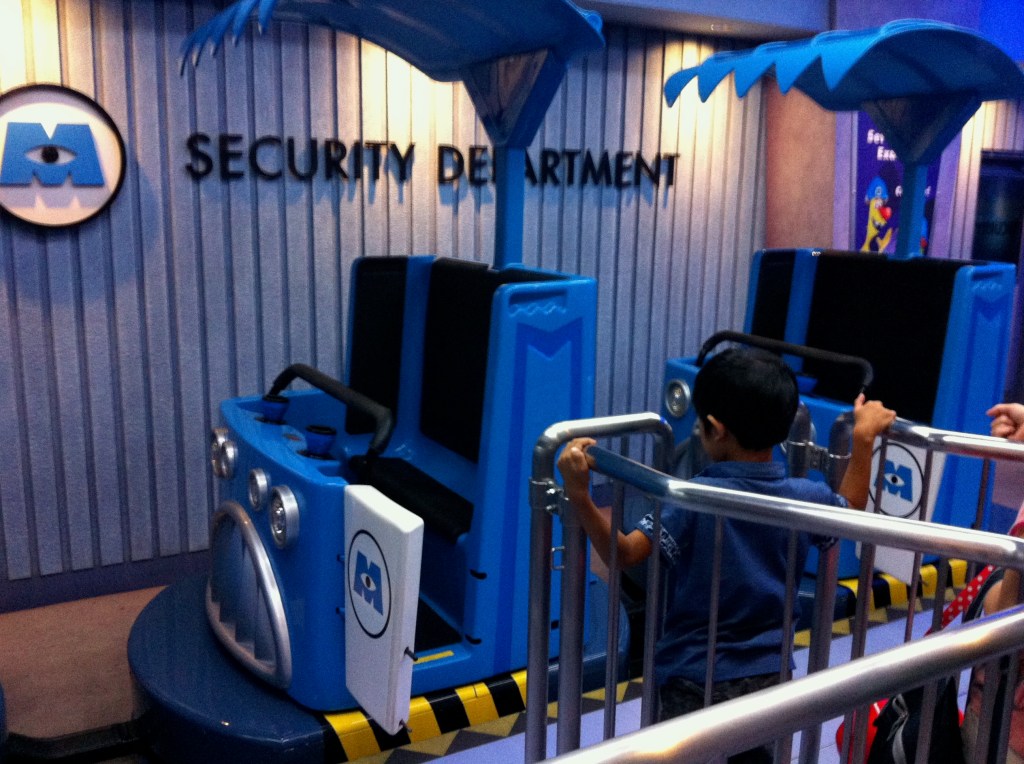
The first predication for 2024 involves the replacement of the former Art of Disney Animation/Star Wars Launch Bay with a version of the Monsters Hide and Go Seek ride.  This ride is one of a kind and is located in Tokyo Disneyland’s Tomorrowland, which is an odd location, but land is limited in that park.  The ride is one where guests ride through the attraction while aiming what appear to be flashlights as they look for the child ‘Boo’.

The queue for Ride and Go Seek at Tokyo Disneyland.
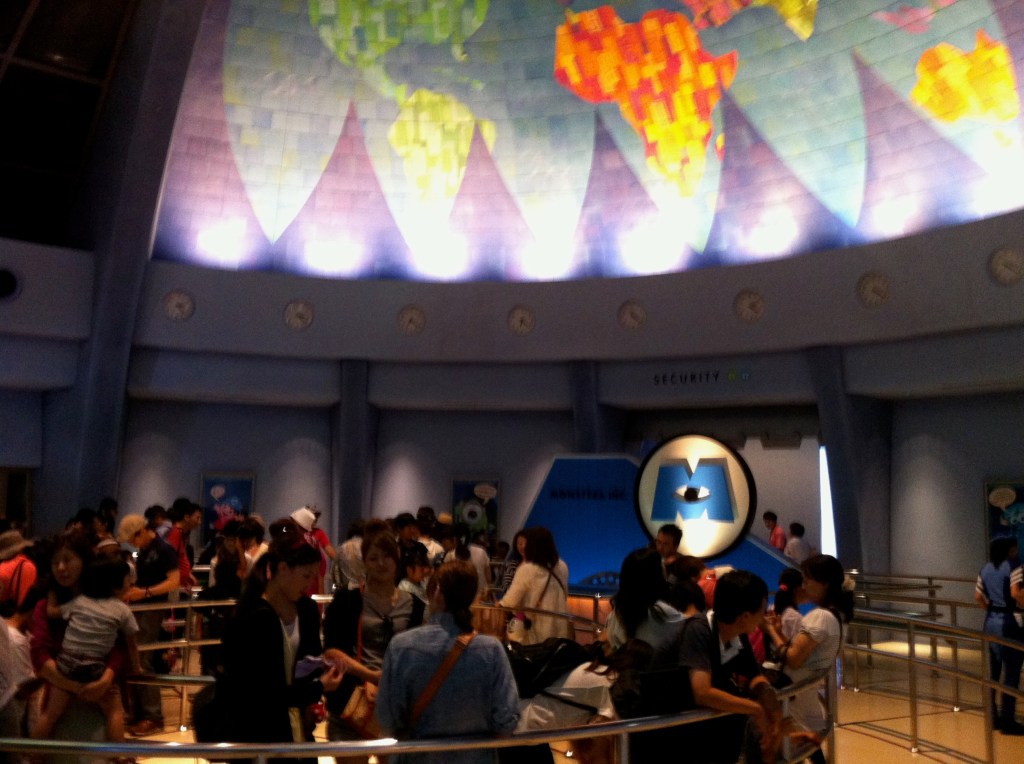
Ride and Go Seek is a family friendly ride based on the characters from the Monsters Inc film series.

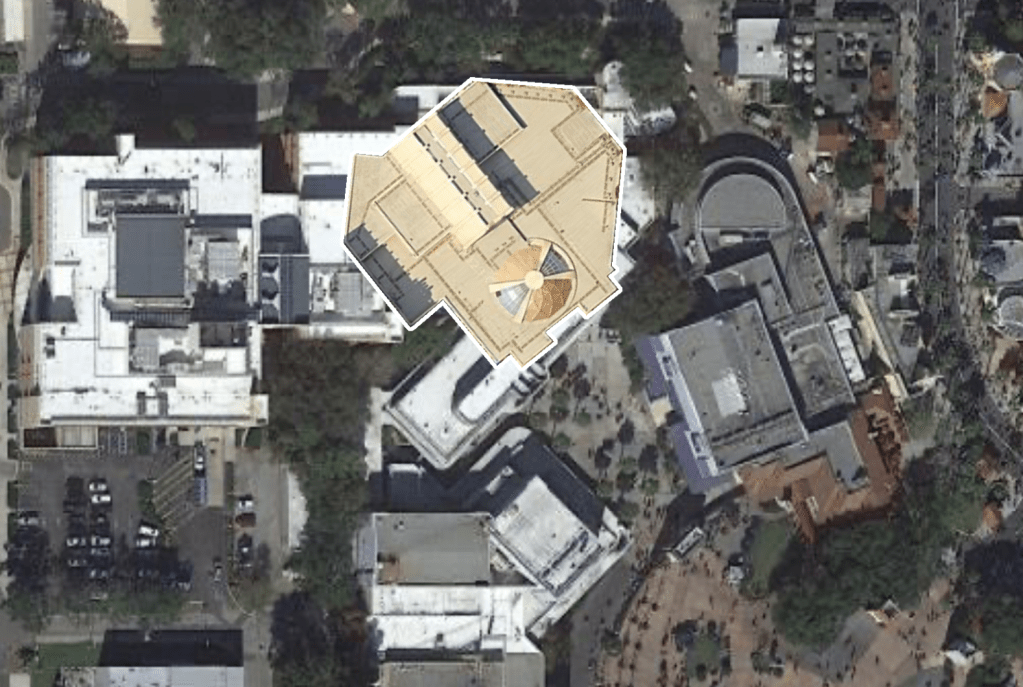
The reason why Magic 8 Ball makes the prediction is because the Disney Hollywood Studios needs more rides, it’s been announced that the Little Mermaid show is staying, the project cost is fixed (more or less) and the Monsters Ride and Go Seek would fit on the available site.

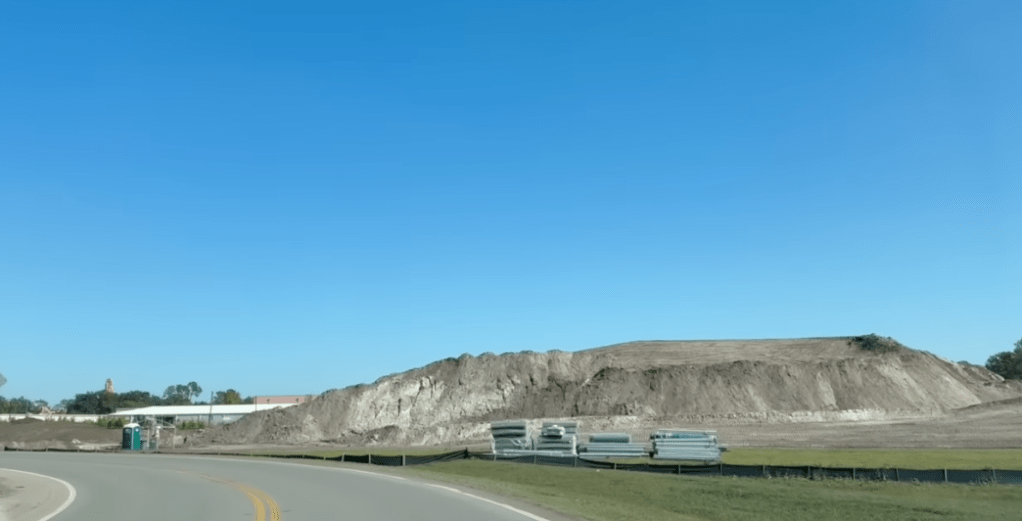
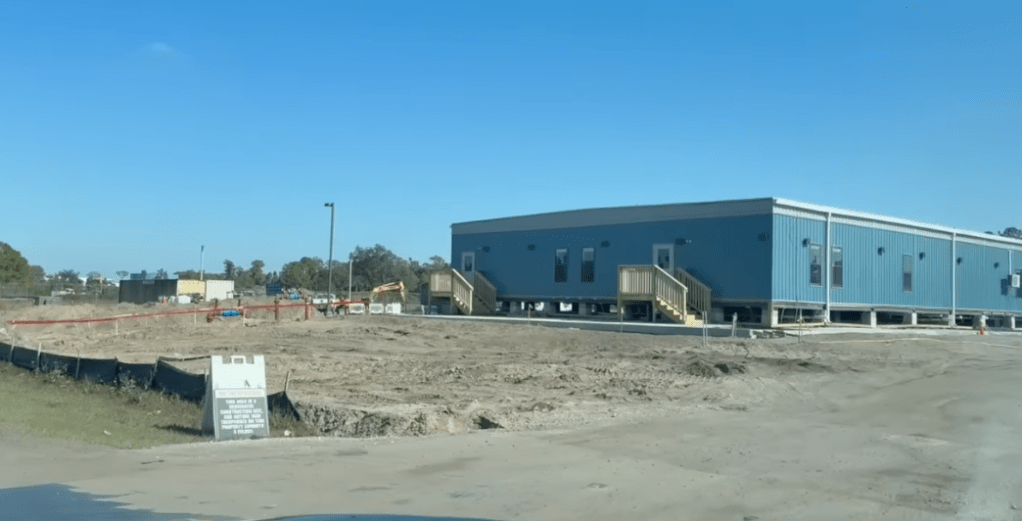
Site at Disney’s Hollywood Studios where Monsters Inc. could go.

The point is that sometimes rides, shows and attractions happen because of a set of small reasons, and not because of some grand vision.  

The same site with the addition of Monsters Inc. Ride and Go Seek.

Ride and Go Seek would fit the definition of a Disney ‘D’ ticket and activate an area in Disney’s Hollywood Studios that currently lacks content.  We shall see if the Magic 8 Ball is correct.

The Monsters Inc. ride vehicle in the station.